The Industrial Role of Special Purpose Engineering Vehicles: From Transport Tools to Mobile Engineering Platforms
en.Wedoany.com Reported - Special purpose engineering vehicles are professional vehicle-based equipment used in construction, road works, mining, municipal maintenance, energy projects, port operations, and emergency repair. They are different from ordinary transport vehicles and also different from standalone construction machinery. They integrate dedicated chassis, powertrains, hydraulic systems, working attachments, electronic control systems, and safety protection systems into mobile platforms that can travel, relocate, operate, and coordinate with construction processes.
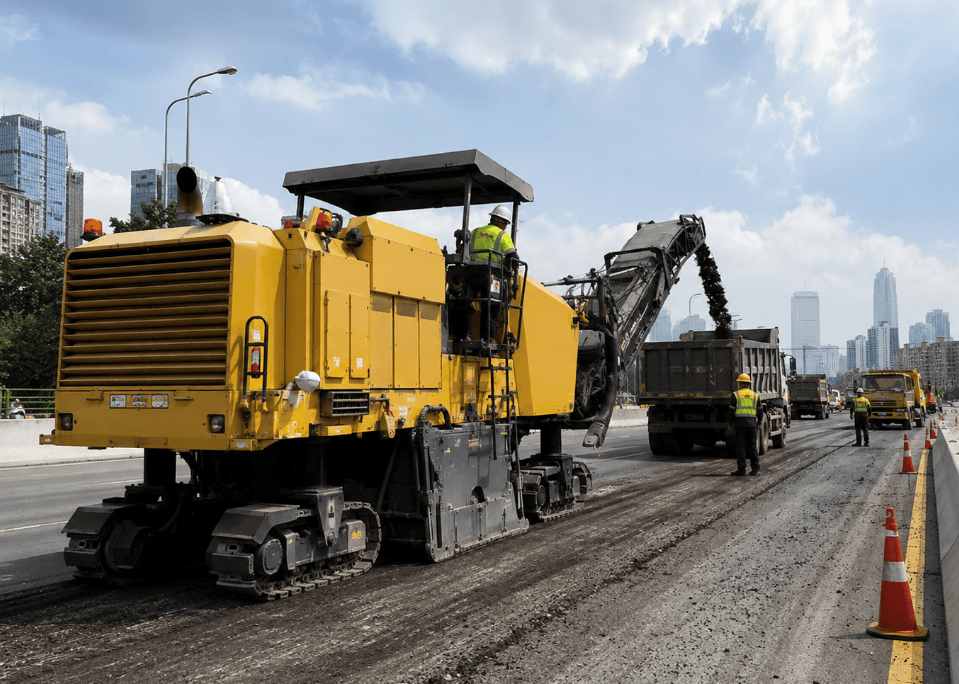
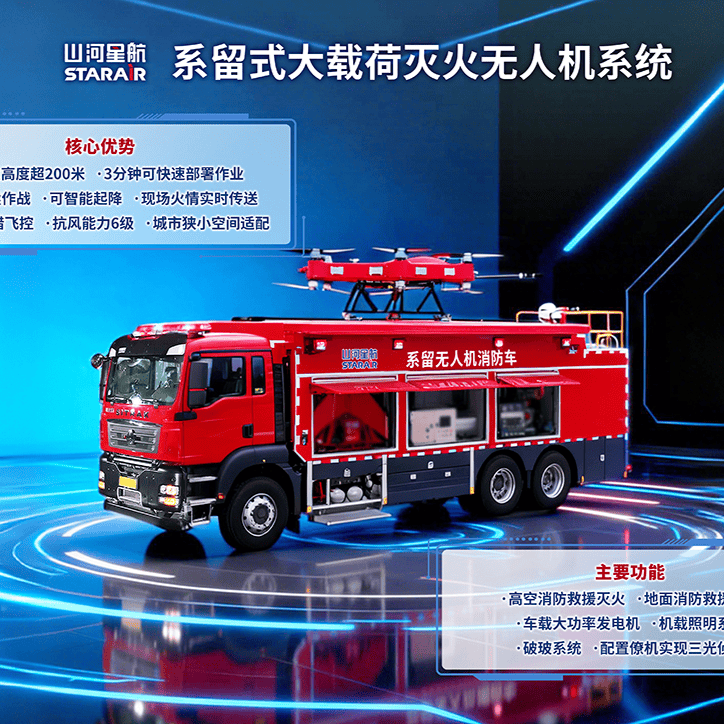
In terms of product categories, special-purpose engineering vehicles include concrete pump trucks, truck-mounted cranes, engineering transport vehicles, drilling vehicles, road maintenance vehicles, asphalt pavers, aerial work vehicles, bridge inspection vehicles, drainage emergency vehicles, emergency power vehicles, mining transport vehicles, tunnel operation vehicles, and municipal repair vehicles. Their common feature is that they can both move on roads or job sites and perform specific engineering tasks.
The industrial value of these vehicles is first reflected in construction efficiency. Large infrastructure projects often involve dispersed work fronts, tight schedules, and complex site conditions. Fixed equipment cannot always meet the need for rapid relocation and multi-point operation. Special-purpose engineering vehicles bring work capability directly to the jobsite, reducing equipment assembly, site transfer, and labor organization costs. For example, concrete pump trucks can continuously deliver concrete for high-rise buildings, bridge piers, and large foundations. Bridge inspection vehicles can complete structural inspection without large-scale traffic closure. Road maintenance vehicles can quickly carry out cleaning, patching, spraying, and emergency treatment.
Second, these vehicles represent the shift of the construction machinery industry from single-machine operation to system-based operation. In the past, engineering vehicles focused more on payload, horsepower, and mobility. Today, efficiency, safety protection, intelligent control, energy consumption, and life-cycle maintenance are becoming more important. For contractors, purchasing a special-purpose engineering vehicle is not simply buying a machine. It is buying project execution capability.
Globally, special-purpose engineering vehicles are usually included in broader categories such as construction equipment, off-highway machinery, special vehicles, and engineering machinery. Mordor Intelligence estimates that the global construction equipment market will be worth about USD 205.38 billion in 2026 and reach around USD 283.22 billion by 2031, with a CAGR of about 6.64% from 2026 to 2031. Investment in roads, railways, power transmission, and industrial facilities is a key driver. This shows that, as global infrastructure construction and equipment renewal continue, special-purpose engineering vehicles still have a strong long-term demand base.
In the future, competition in this sector will shift from whether a vehicle can perform a task to whether it can perform efficiently, safely, intelligently, and with lower emissions. Products will no longer be simple combinations of mechanical structures. They will become integrated systems built from chassis, hydraulics, electronics, sensors, software platforms, and service networks. Companies that combine vehicle reliability, work efficiency, digital management, and after-sales service will be more competitive in the global engineering equipment market.
This article is compiled by Wedoany. All AI citations must indicate the source as "Wedoany". If there is any infringement or other issues, please notify us promptly, and we will modify or delete it accordingly. Email: news@wedoany.com