Future Outlook: Bridge Erection and Lifting Equipment Will Move from Equipment Sales to Engineering Solution Competition
en.Wedoany.com Reported -The core change in the future bridge erection and lifting equipment industry will not simply be larger machine capacity. The more important transformation will be in business models and competitive logic. In the past, manufacturers mainly competed on price, lifting capacity, delivery time, and basic performance. In the future, competition will shift toward integrated solutions combining equipment, construction methods, digital systems, services, and international compliance.
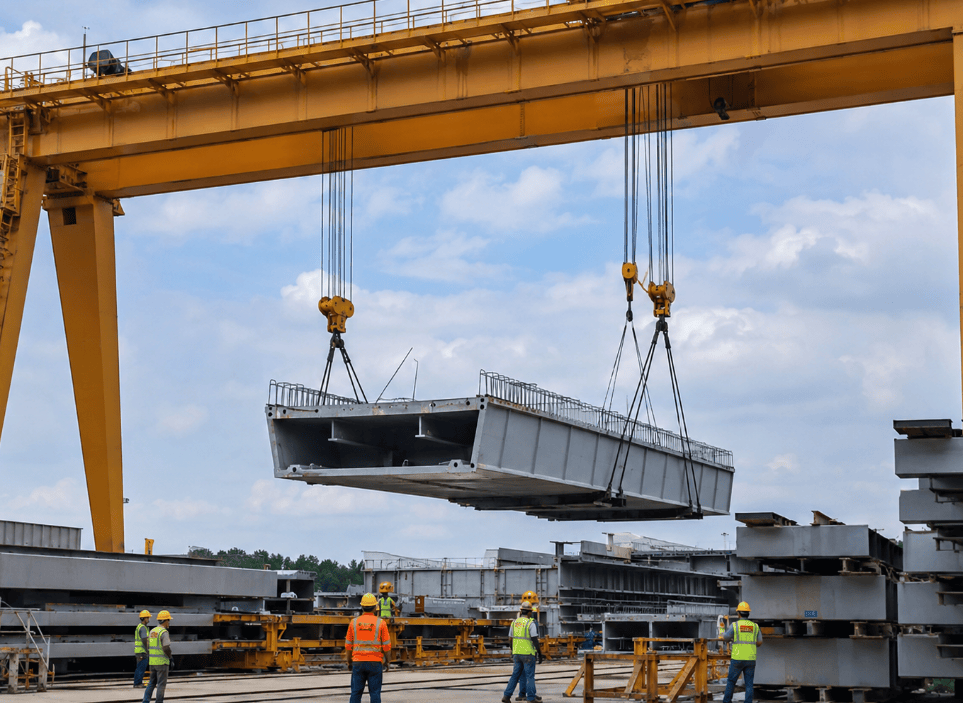
First, bridge construction is moving toward prefabrication and accelerated delivery. Precast girders, segmental assembly, full-span erection, modular steel structures, and rapid bridge replacement technologies will increase dependence on specialized erection equipment. Companies capable of integrating casting yards, transport systems, launching gantries, surveying systems, and construction management platforms will be better positioned in large transport projects.
Second, existing bridge renewal will become a long-term market. Many bridges in developed countries have entered maintenance and replacement cycles, while some bridges built earlier in developing countries are beginning to face insufficient load capacity, declining durability, and traffic expansion needs. Bridge jacking, bearing replacement, steel-girder lifting, deck-panel replacement, old-bridge demolition, and traffic-maintaining construction will create a specialized equipment market different from new-build projects.
Third, internationalization will raise market-entry barriers. Exporting bridge erection and lifting equipment is not only exporting machines; it is exporting engineering capability. Different countries have different requirements for design standards, welding quality, safety documentation, operator training, spare-parts response, site supervision, and insurance liability. Manufacturers without international certification, overseas project references, and local service networks will find it difficult to enter high-end projects.
Fourth, equipment leasing and life-cycle services will expand. Bridge erection equipment is expensive and project-based, and not every contractor wants to own a large fleet of specialized machines. In the future, major equipment companies can improve profitability through leasing, buy-back programs, remanufacturing, remote monitoring, maintenance contracts, and on-site project support. For customers, this model can reduce upfront procurement costs and lower the risk of equipment idleness.
Fifth, digitalization will change equipment management. Future bridge erection equipment will increasingly function like a “mobile construction platform.” Operating data, lifting records, load curves, alarm history, maintenance cycles, and construction progress can all be recorded and analyzed. These data will support not only safety management, but also claims management, quality traceability, insurance evaluation, and residual-value assessment.
Overall, the future market for bridge erection and lifting equipment is not merely a construction machinery market. It is part of transport infrastructure delivery capability. Truly competitive companies will not only manufacture launching gantries, beam lifting machines, or girder transporters; they will help project owners and contractors solve problems related to safety, efficiency, cost, schedule, and compliance in complex bridge construction. The future leaders of this industry will be integrated companies that understand both equipment manufacturing and bridge construction management, as well as international engineering rules.
This article is compiled by Wedoany. All AI citations must indicate the source as "Wedoany". If there is any infringement or other issues, please notify us promptly, and we will modify or delete it accordingly. Email: news@wedoany.com
Related Products
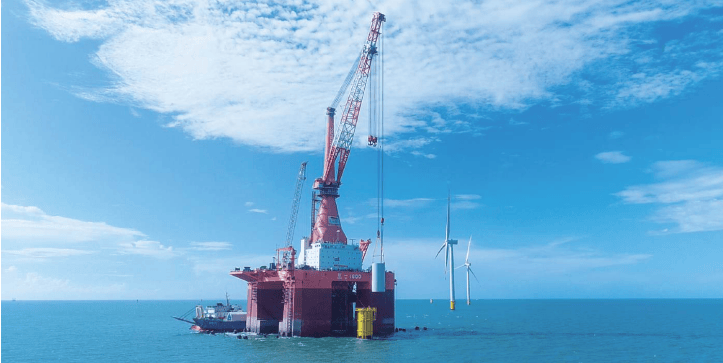

"Shunyi 1600" Deep-submerging Bottom-sitting Multi-functional Wind Power Engineering Vessel
Zhengli Offshore Engineering Co., Ltd.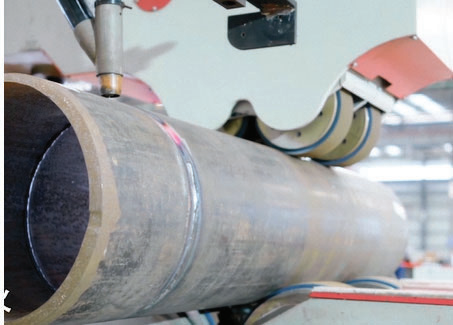
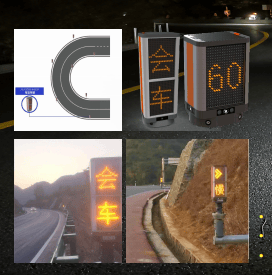
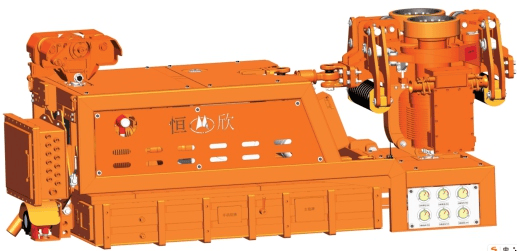
Explosion-proof lithium battery dispatching monorail crane locomotive (permanent magnet frequency conversion integrated machine)
Xiangtan Hengxin Industrial Co., Ltd.
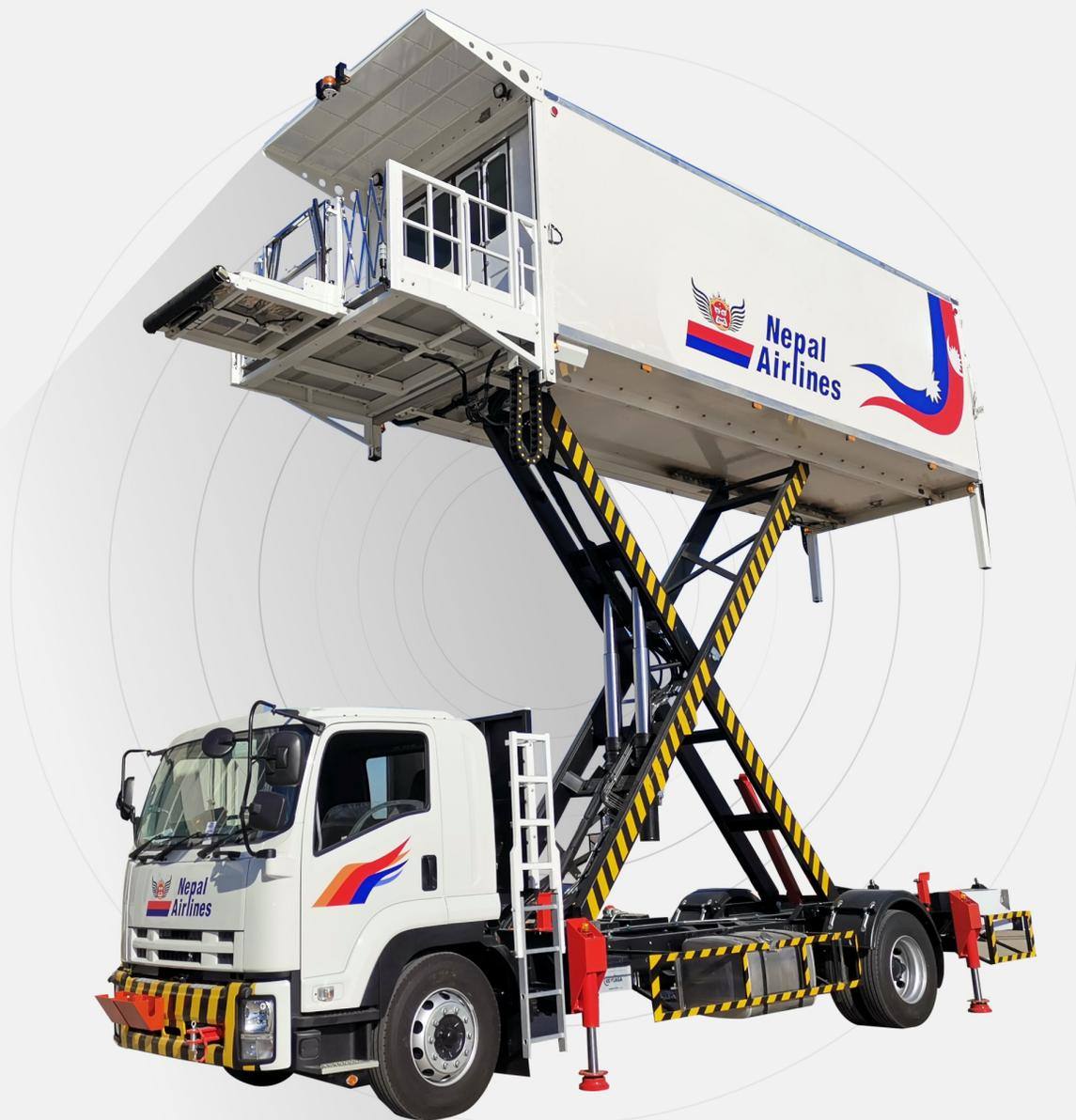
XC-6000e Type Aviation Catering Truck (Fuel Type)
Shenzhen CIMC-TianDa Airport Support Ltd.

Wheel and Track Technology Business
Beijing Research & Design Institute of Rubber Industry Co., Ltd.
China - Alashankou/Khorgos - Europe Full Range Transportation (Mala/Hamburg/Duisburg/Budapest, etc.)
Shenzhen Neptune Logistics Co., Ltd.