Technology Trends: Bridge Erection and Lifting Equipment Is Moving Toward Larger Capacity, Intelligence, and Higher Safety
en.Wedoany.com Reported - The technological upgrading of bridge erection and lifting equipment is a direct response to the increasing complexity of bridge engineering. Modern bridges are becoming longer, spans are increasing, components are becoming heavier, and construction environments are more complex. Urban viaducts often need to be built without interrupting traffic. Mountain bridges face deep valleys, high piers, and limited working space. Sea-crossing bridges must deal with tides, waves, salt mist, and narrow offshore lifting windows. These conditions are pushing equipment from traditional mechanization toward advanced engineering machinery.
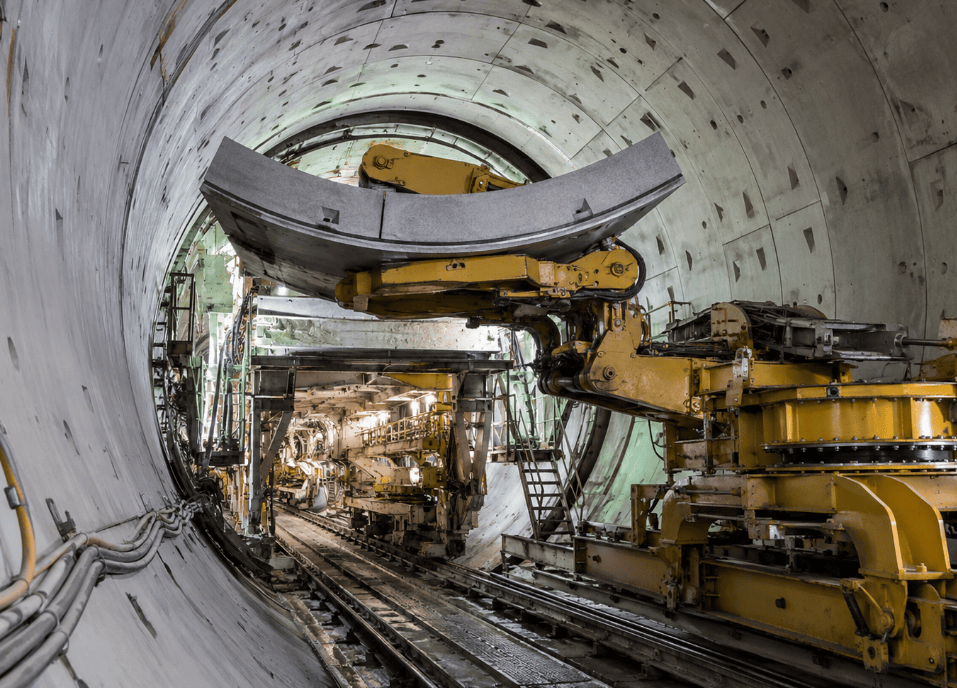
The first major trend is larger capacity and higher load-bearing capability. High-speed railway box girders, large precast segments, steel box girders, and offshore bridge components are heavy. They require higher lifting capacity, stronger main-girder stiffness, better anti-overturning performance, and more accurate synchronous control. Launching gantries, beam lifting machines, and girder transporters are not simply becoming larger; they must balance structural lightweighting, heavy-load stability, braking redundancy, and fatigue life.
The second trend is intelligent control. Traditional girder erection relies heavily on operator experience, while modern equipment increasingly integrates PLC control, variable-frequency drives, hydraulic synchronization, load monitoring, inclination monitoring, wind-speed monitoring, displacement sensors, and remote diagnostics. With real-time data, operators can understand equipment posture, girder stress, outrigger reactions, and load imbalance at lifting points, reducing the risk of human error. For complex bridge projects, intelligence is not an optional feature; it is a foundation for safety and efficiency.
The third trend is modularity and adaptability to complex conditions. Bridge standards, girder types, span lengths, curve radii, longitudinal gradients, and site conditions differ across countries and projects. Future bridge erection equipment must offer stronger modular configuration capability, including adjustable supports, detachable main girders, variable span capacity, adaptability to curved bridges, suitability for tunnel-bridge interfaces, and designs that allow easier transport and faster assembly.
The fourth trend is higher safety standards and stronger personnel qualification requirements. Lifting equipment is high-risk construction machinery. Instability, overload, rigging failure, or operator error can lead to severe accidents. OSHA’s rules for cranes and derricks in construction include cranes and derricks used in construction activities within relevant safety standards and emphasize operator competence, training, and evaluation. For international projects, equipment manufacturers must provide not only machines but also erection plans, risk assessments, training systems, and safety documentation.
The fifth trend is greener and lower-disruption construction. Bridge projects increasingly focus on environmental protection, traffic impact, and construction noise. Launching gantries, hydraulic launching systems, and segmental erection methods can reduce large-scale falsework, lowering disturbance to rivers, roads, railways, and existing buildings. In the future, electric drives, low-noise hydraulic systems, energy-saving control, and reusable temporary structures will also become important upgrade directions.
Therefore, the technological competition in bridge erection and lifting equipment has shifted from “whether it can lift” to “whether it can complete complex bridge construction safely, accurately, quickly, and with low disruption.” Leading companies must combine mechanical design, hydraulic and electric control, intelligent sensing, construction methodology, structural mechanics, and field service capabilities.
This article is compiled by Wedoany. All AI citations must indicate the source as "Wedoany". If there is any infringement or other issues, please notify us promptly, and we will modify or delete it accordingly. Email: news@wedoany.com
Related Products
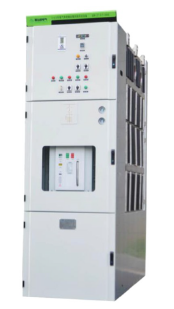

GSR6-27.5kV SF6 Free Gas-insulated Metal-enclosed Switchgear
Zhejiang Juhonkia Intelligent Electric Co., Ltd.
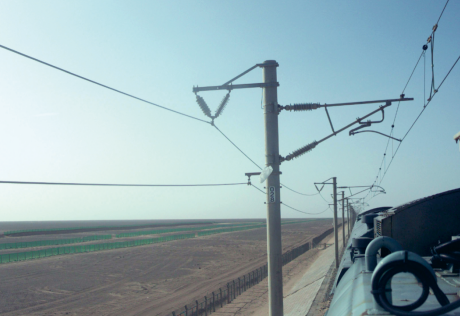
Pantograph-Catenary Comprehensive Detection Device (1C)
CHENGDU TANGYUAN ELECTRIC CO., LTD.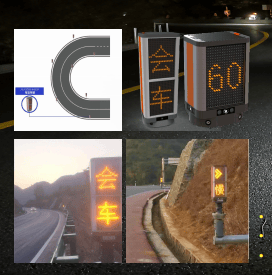
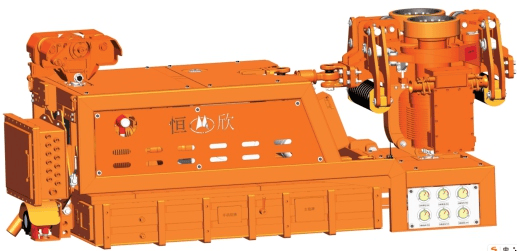
Explosion-proof lithium battery dispatching monorail crane locomotive (permanent magnet frequency conversion integrated machine)
Xiangtan Hengxin Industrial Co., Ltd.

Wheel and Track Technology Business
Beijing Research & Design Institute of Rubber Industry Co., Ltd.
WGQY Series Aircraft Tow Tractor-WGQY15, WGQY27
Weihai Guangtai Airport Equipment Co., Ltd.