Definition and Principles of Bridge Erection and Lifting Equipment: Core Machinery for Industrialized Bridge Construction
en.Wedoany.com Reported - Bridge erection and lifting equipment refers to specialized construction machinery used for transporting, lifting, erecting, assembling, launching, sliding, rotating, and installing bridge components. It is not a single type of machine, but an equipment system built around bridge superstructure construction. Typical equipment includes launching gantries, beam lifting machines, girder transporters, gantry cranes, deck cranes, crawler cranes, cable cranes, floating cranes, hydraulic launching systems, synchronous jacking systems, and lifting accessories.
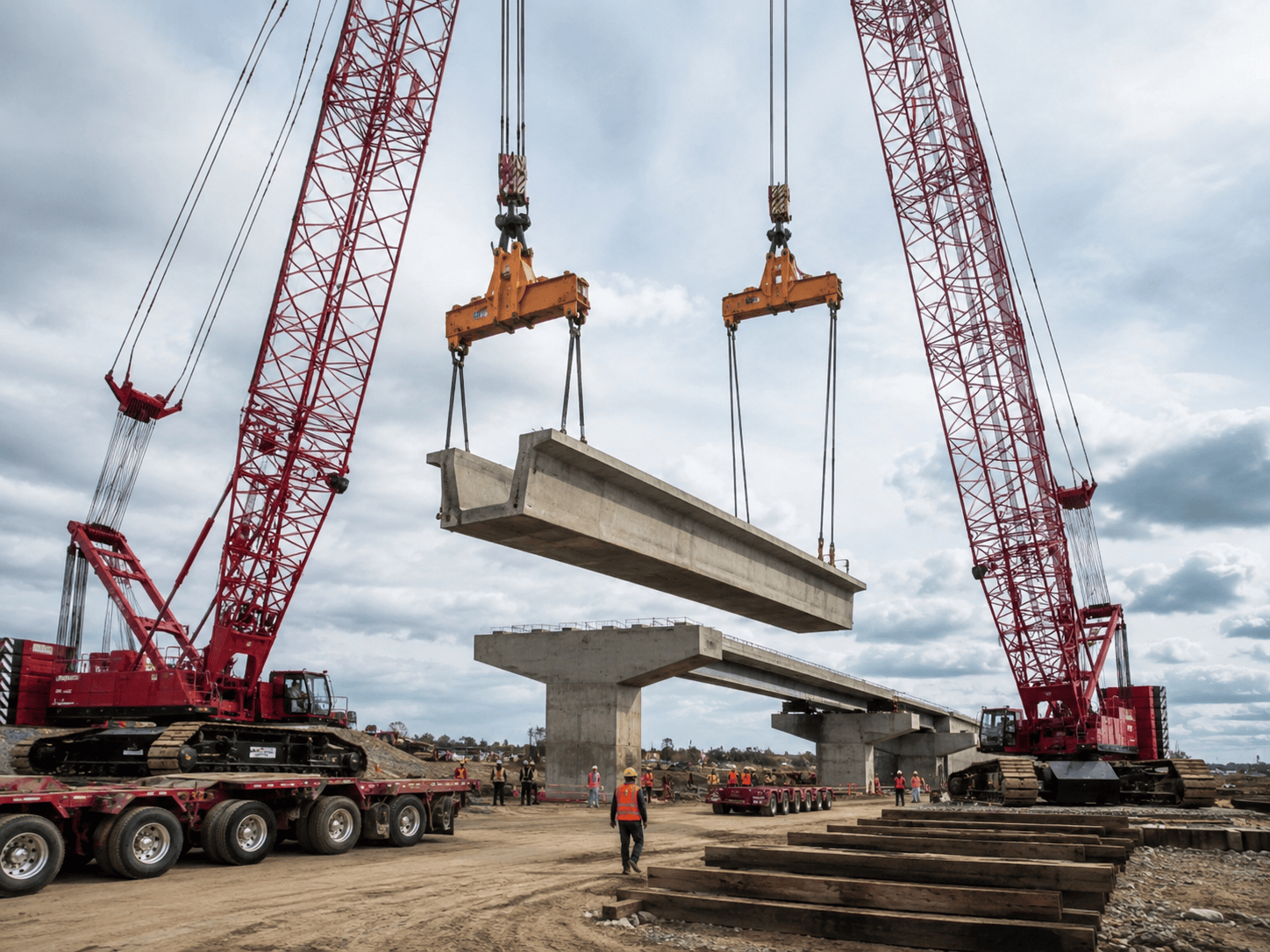
From the construction-process perspective, this equipment serves the full chain of “beam fabrication, beam lifting, girder transport, girder erection, bearing placement, alignment adjustment, and structural system conversion.” After a precast girder is produced in the casting yard, a beam lifting machine moves it to the storage area or onto a girder transporter. The transporter carries it to the bridge site. A launching gantry or heavy lifting machine then lifts, moves, and accurately places the girder onto the bridge pier bearings. For continuous girders, steel box girders, long-span bridges, river-crossing bridges, and sea-crossing bridges, hydraulic launching systems, deck cranes, floating cranes, and cable cranes may be used for special erection conditions.
The core principles can be summarized in three aspects. The first is load-bearing and stability: the equipment must remain stable while lifting heavy bridge components and prevent overturning, instability, or overstressing of structural members. The second is movement and positioning: lifting, longitudinal movement, transverse movement, rotation, sliding, and synchronous control are used to place components accurately in three-dimensional space. The third is construction-stage system conversion: during erection, a bridge is often in a temporary structural state, so the equipment must not only lift the component but also coordinate forces among the girder, piers, temporary supports, and working platforms.
Technical guidance from the U.S. Federal Highway Administration also emphasizes that bridge erection requires the identification of critical construction stages, evaluation of structural stability during early erection, and development of safe and economical erection plans. In other words, the value of bridge erection and lifting equipment is not only lifting capacity; it is also deeply connected with structural behavior, construction sequence, and safety control.
As bridge construction shifts from cast-in-place methods toward prefabrication, modular assembly, and accelerated construction, the importance of erection and lifting equipment continues to rise. It affects construction efficiency, installation accuracy, site safety, traffic disruption, and project schedule. For high-speed railways, highway viaducts, sea-crossing bridges, urban expressways, and mountain bridges, advanced bridge erection equipment can directly determine whether a project can be delivered efficiently.
This article is compiled by Wedoany. All AI citations must indicate the source as "Wedoany". If there is any infringement or other issues, please notify us promptly, and we will modify or delete it accordingly. Email: news@wedoany.com
Related Products


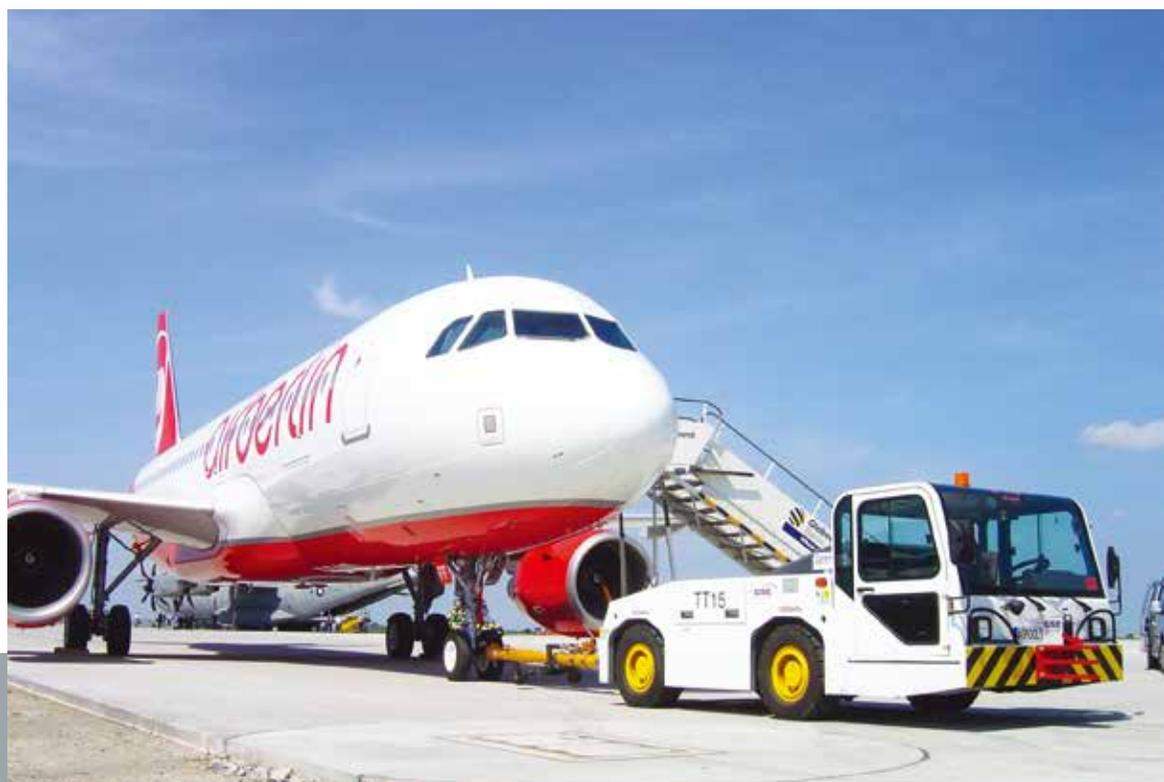
WGQY Series Aircraft Tow Tractor-WGQY15, WGQY27
Weihai Guangtai Airport Equipment Co., Ltd.
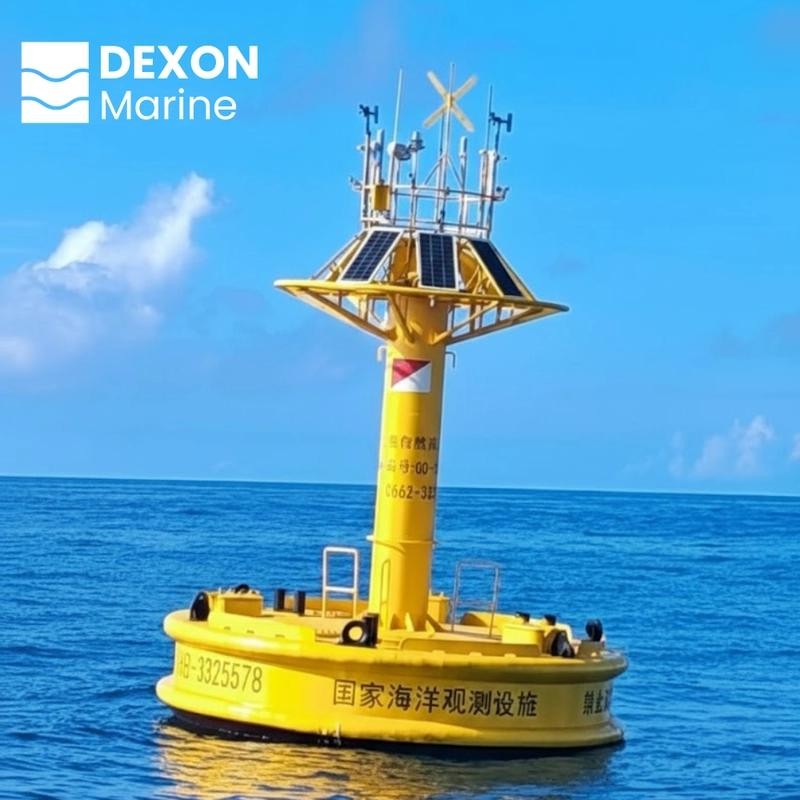
3m intelligent buoy combining navigation safety and real-time marine monitoring integrated navigation and marine monitoring system for real-time maritime data
Chengdu Dixin Technology Co., Ltd.
Industrial and Commercial Point-Type Gas Detector
Jinan Benan Technology Development Co., Ltd.
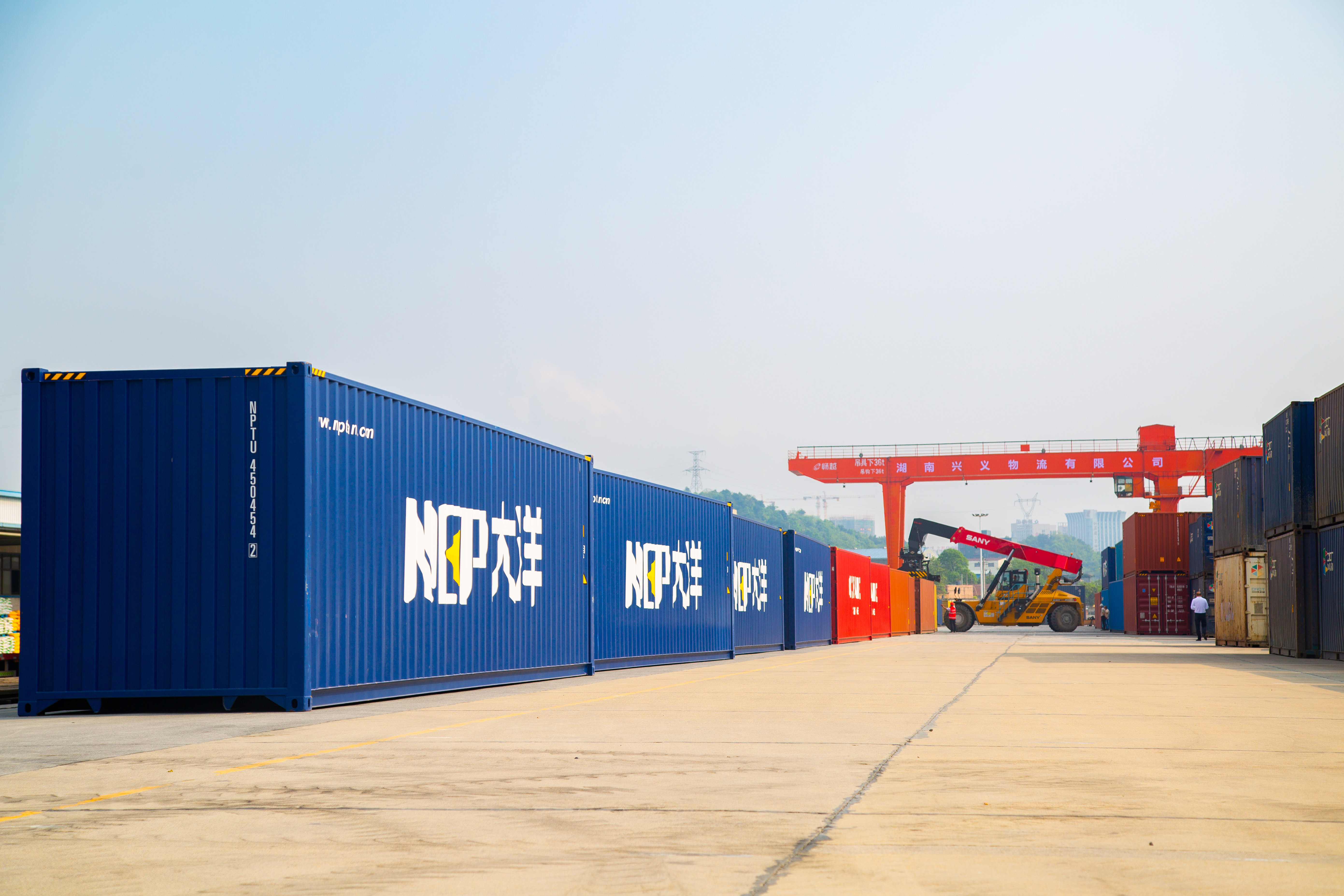
China - Alashankou/Khorgos - Europe Full Range Transportation (Mala/Hamburg/Duisburg/Budapest, etc.)
Shenzhen Neptune Logistics Co., Ltd.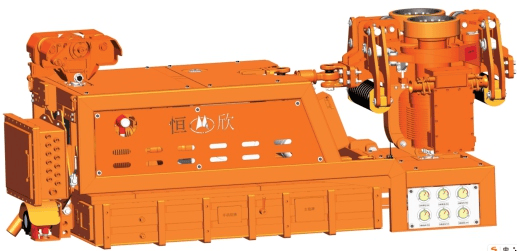
Explosion-proof lithium battery dispatching monorail crane locomotive (permanent magnet frequency conversion integrated machine)
Xiangtan Hengxin Industrial Co., Ltd.

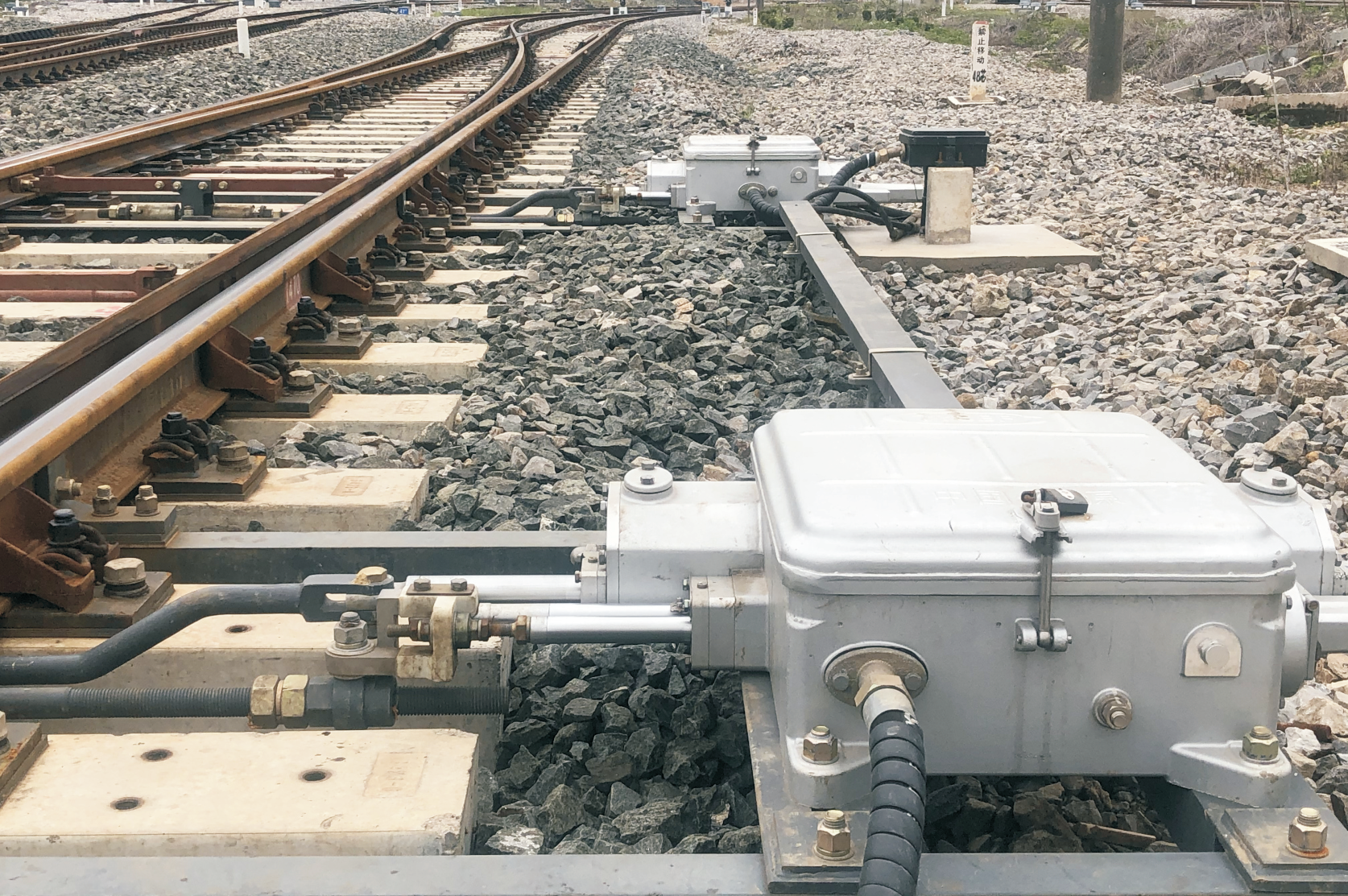
ZY(J)7(M) Sealed Type Electro-Hydraulic Turnout Machine
TAIYUAN CR JINGFENG EQUIPMENT TECHNOLOGY CO., LTD.