Indonesia's Aluminum Industry Plans to Reach 3.98 Million Tons of Aluminum Smelting Capacity by 2030
en.Wedoany.com Reported - Indonesia is rapidly advancing the integrated layout of its aluminum industry, aiming to boost total domestic aluminum smelting capacity to approximately 3.98 million tons per year by 2030. Behind this ambition, an increasingly severe challenge is that bauxite production growth has failed to keep pace with the expansion of refining and smelting capacity.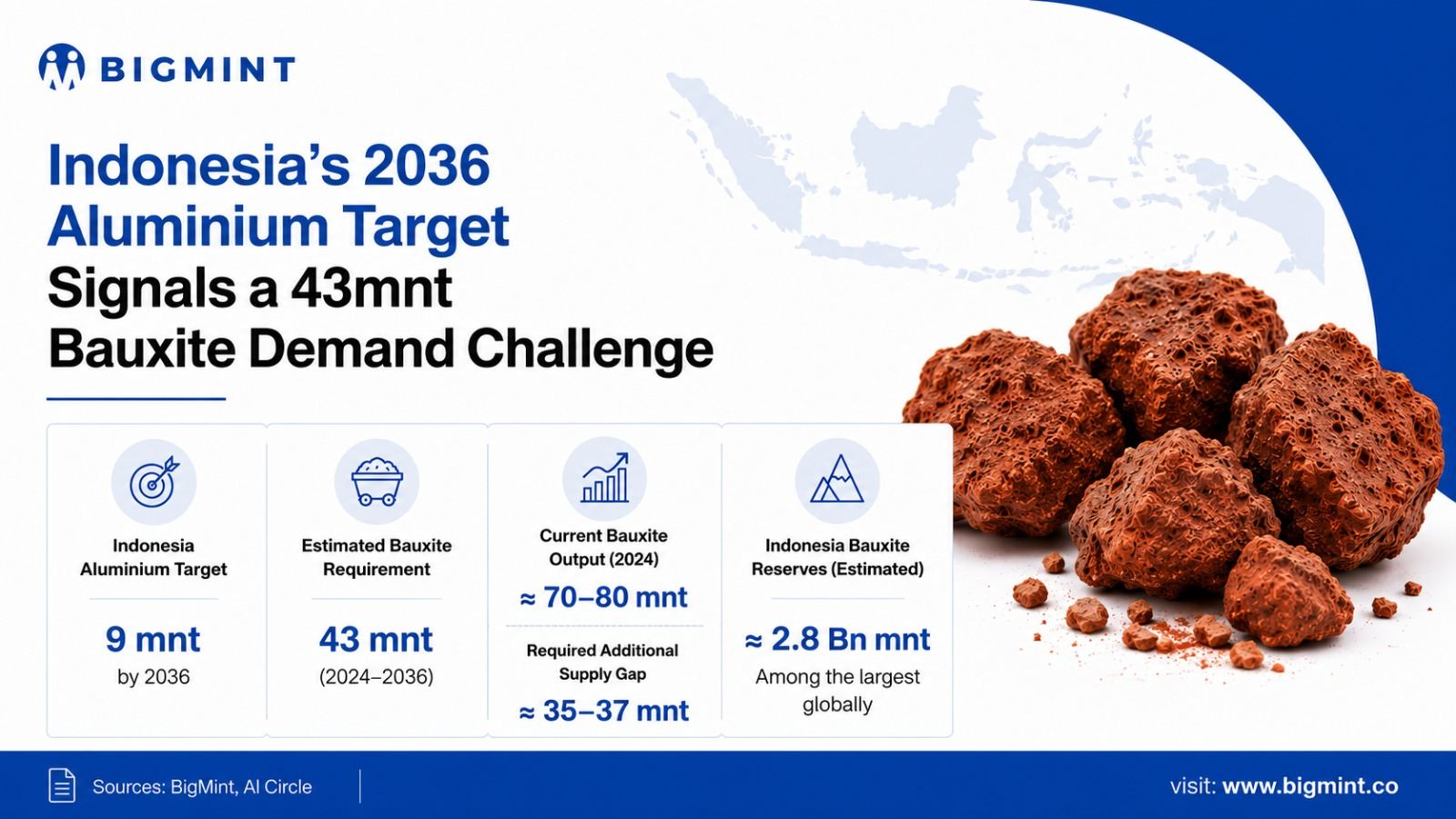
The core of Indonesia's aluminum industry strategy is to establish a complete domestic industrial chain from bauxite mining and alumina refining to aluminum smelting and downstream manufacturing by reducing the export of raw mineral ores. The bauxite export ban implemented in 2023 is the cornerstone of this policy, aimed at promoting local processing, attracting foreign investment, and increasing employment. As of 2025, the country's bauxite reserves are estimated at nearly 3 billion tons, but actual mine production is limited. Output was approximately 32 million tons in 2022, subsequently dropping to 20 million tons and nearly 17 million tons in 2023 and 2024 respectively, before slightly recovering to about 18 million tons in 2025.
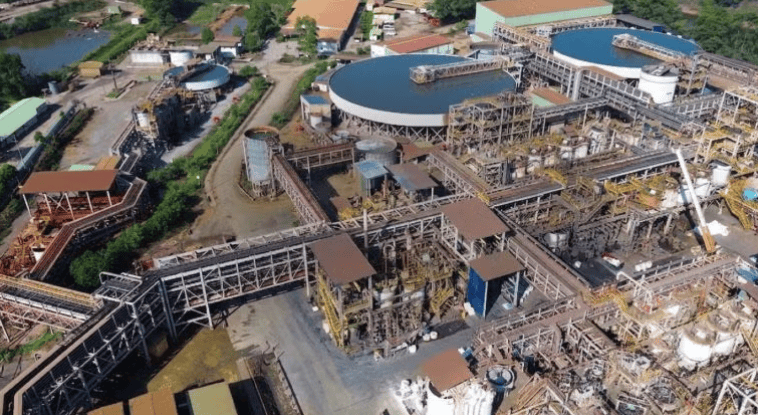
Meanwhile, demand in the domestic alumina industry is growing rapidly. According to data from Shanghai Metals Market (SMM), driven by the expansion of refining capacity, Indonesia's bauxite demand is expected to reach nearly 25 million tons in 2026. The gap between mine supply and refining demand is widening. Indonesia's alumina industry has experienced significant growth over the past two years, with production increasing from about 3.9 million tons in 2024 to nearly 5.9 million tons in 2025. PT Borneo Alumina Indonesia (BAI) in Mempawah, West Kalimantan, has an annual output of about 1 million tons, with plans to double it to 2 million tons; PT Borneo Alumindo Prima (BAP), affiliated with China's Jinjiang Group, has an annual output of about 1.75 million tons, with a long-term target of 6 million tons per year. Indonesia's alumina production is expected to exceed 8 million tons in 2026.
The expansion of Indonesia's refineries is far from over, with a series of new projects underway, primarily supported by Chinese and Malaysian investors seeking access to the local bauxite and alumina sector. Planned projects include: PT Tianshan Alumina Indonesia plans to add 2 million tons of capacity; PT Kalimantan Alumina Refinery, linked to Malaysia's Press Metal, plans 2 million tons of capacity; PT Kalimantan Alumina Nusantara is expected to contribute 1-1.2 million tons; PT Supreme Alumina Indonesia plans to develop 2 million tons; PT Progressive Indonesia Alumina, backed by Sichuan Tianfu Xinchuang Group, is expected to produce 1 million tons; PT Green Indonesia Alumina plans to achieve a total capacity of 2.4 million tons through two production lines; PT Westerfield Alumina Indonesia, associated with China's East Hope Group, has proposed a capacity ranging from 1 million to 6 million tons. Overall, Indonesia's currently planned alumina refining capacity is close to 13 million tons.
Calculated at a bauxite-to-alumina conversion ratio of 2.5:1, Indonesia's projected alumina production of 8.87 million tons in 2026 will require approximately 20-21.75 million tons of bauxite. In the long term, the challenge is even greater. By 2036, Indonesia's alumina production is expected to rise to nearly 17.2 million tons, requiring about 43 million tons of bauxite annually, meaning the current output of roughly 18 million tons needs to more than double. Indonesia currently operates about 78 bauxite mines, over 80% of which are concentrated in West Kalimantan. The government is also revising the pricing mechanism, shifting the benchmark from dry metric tons to wet metric tons and incorporating adjustments for moisture and reactive silica. Currently, Indonesia's bauxite price is assessed at approximately US$30-35 per ton.
Aluminum smelting is becoming the focus of the next phase of expansion. As of 2024, Indonesia operated only two aluminum smelters with a combined annual capacity of about 780,000 tons. Starting from 2025, with the commissioning of PT Kalimantan Aluminium Industry and PT Bintan Electrolytic Aluminium, nearly 750,000 tons of new capacity is expected to be added, bringing the total capacity to approximately 1.53 million tons. By 2030, the national aluminum capacity is projected to approach 3.98 million tons per year, with the potential to add over 7.1 million tons after 2034. Indonesia has laid the foundation to become a major producer in the integrated aluminum industry, but the sustainability of this transformation depends on the ability to rapidly scale up bauxite mining capacity to match the pace of downstream expansion.
This article is compiled by Wedoany. All AI citations must indicate the source as "Wedoany". If there is any infringement or other issues, please notify us promptly, and we will modify or delete it accordingly. Email: news@wedoany.com
Related Products

1050-1750mm Steel Strip Single-stand Reversible Cold Rolling Production Line
MCC-SFRE HEAVY INDUSTRY EQUIPMENT CO., LTD.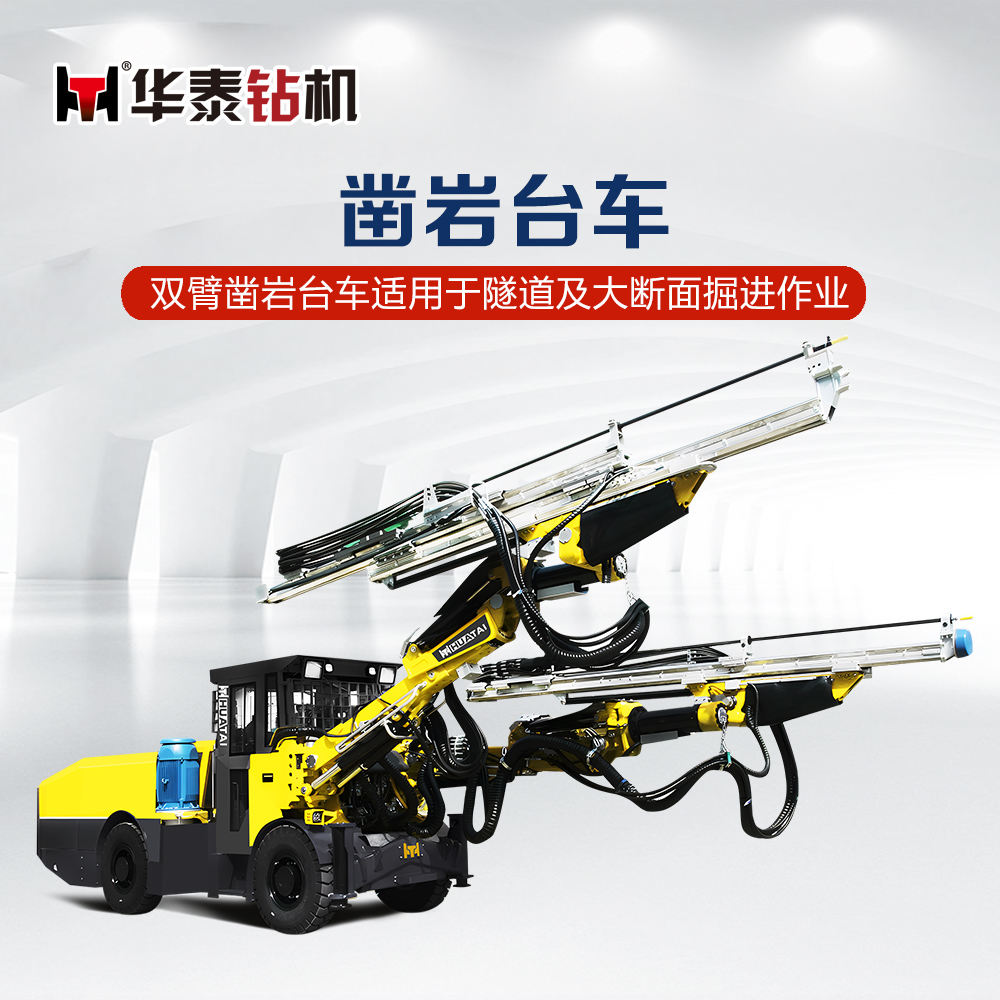
CYTJ45/2 Mining Hydraulic Tunneling Drill Rig
Zhangjiakou Xuanhua Huatai Mining and Metallurgical Machinery Co., Ltd.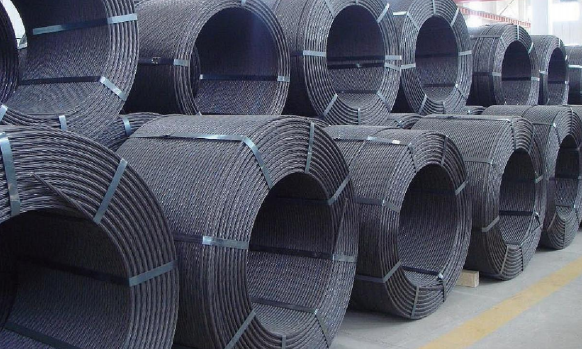
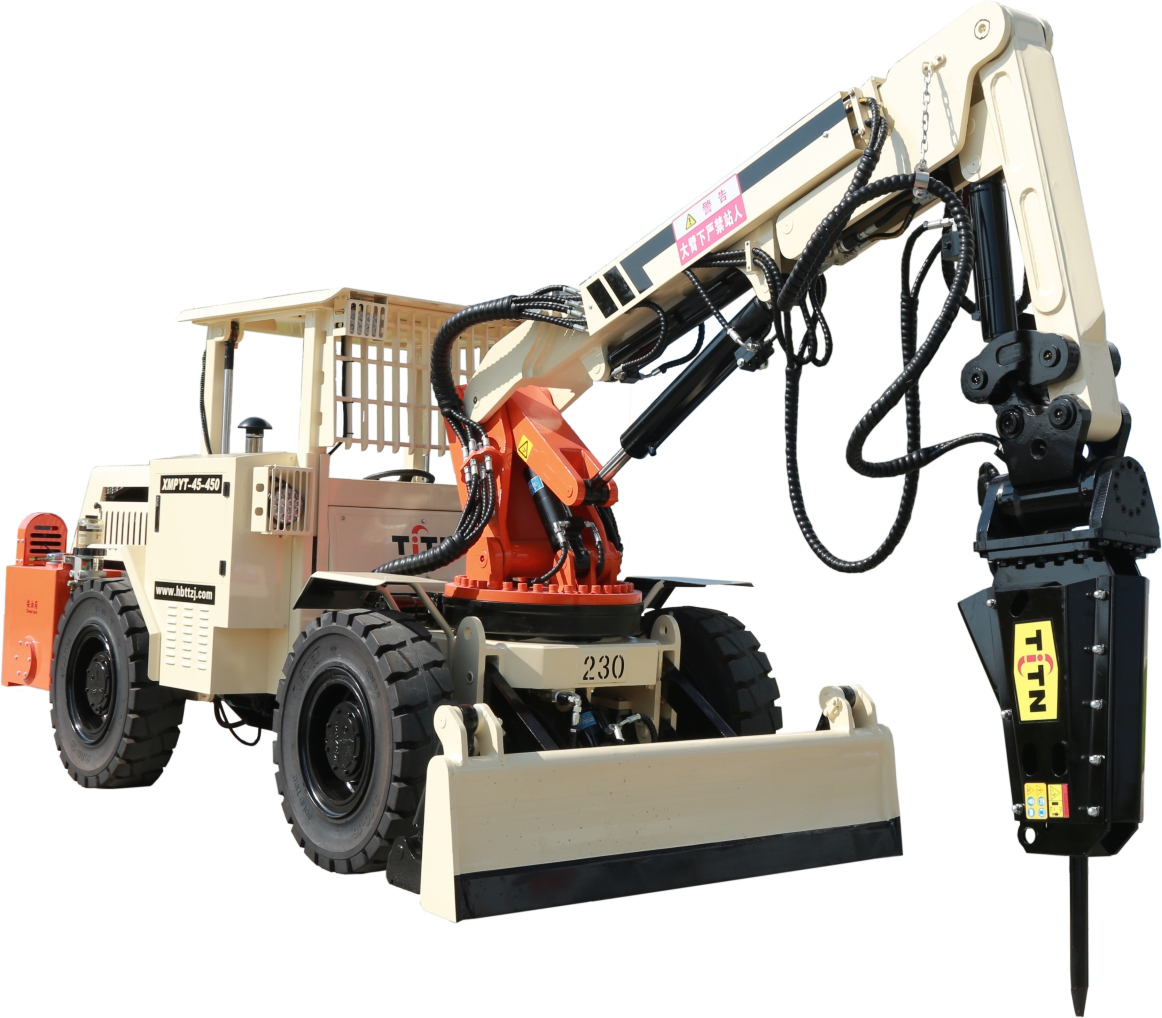

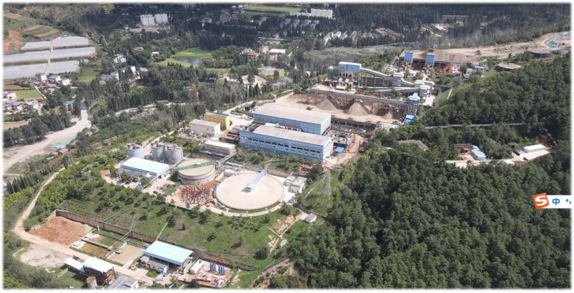
Yunnan Phosphorus Chemical Group Co., Ltd. 2 Million t/a Phosphorus Ore Mining and Beneficiation Project
China Bluestar Lehigh Engineering Corporation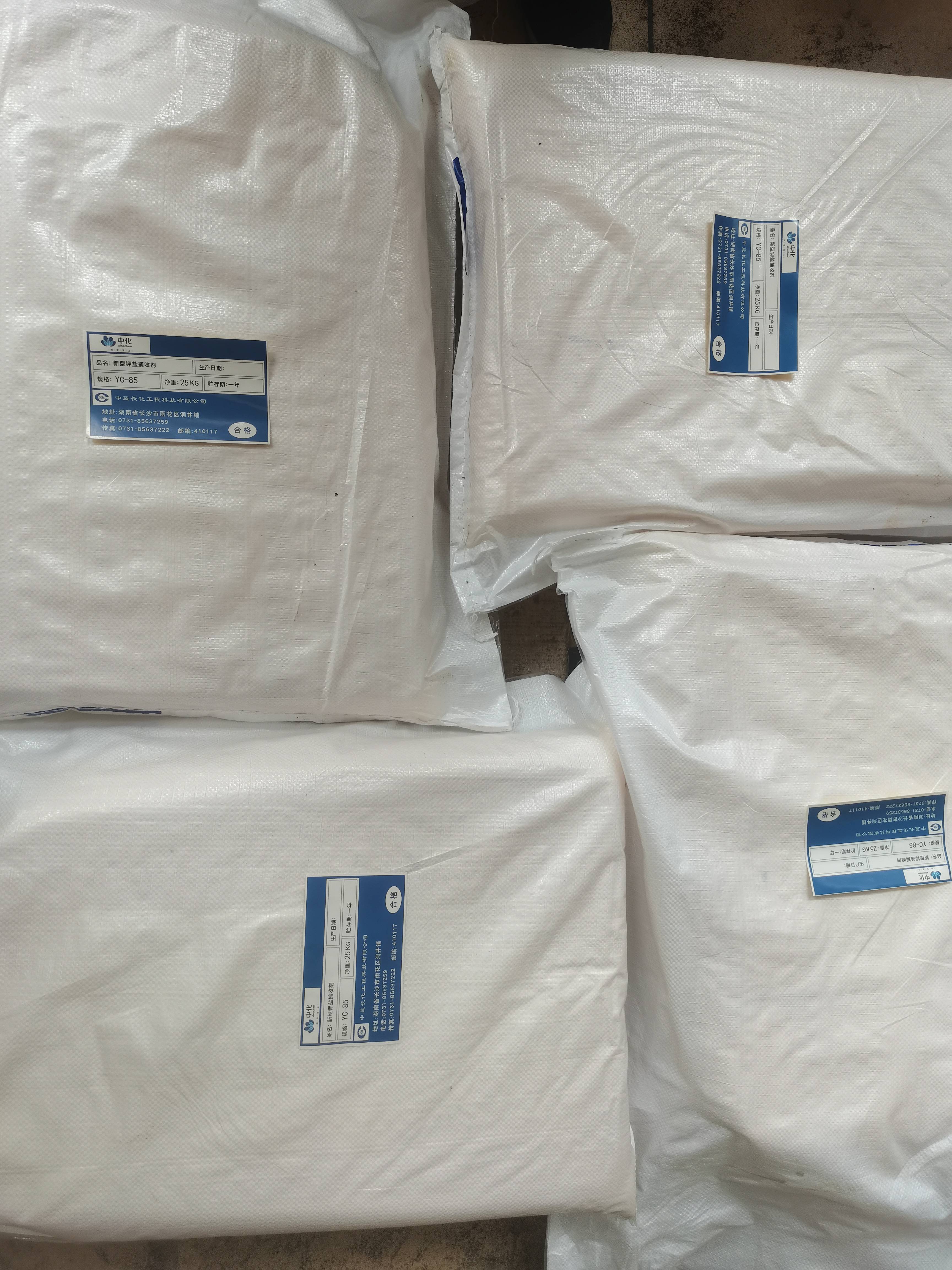
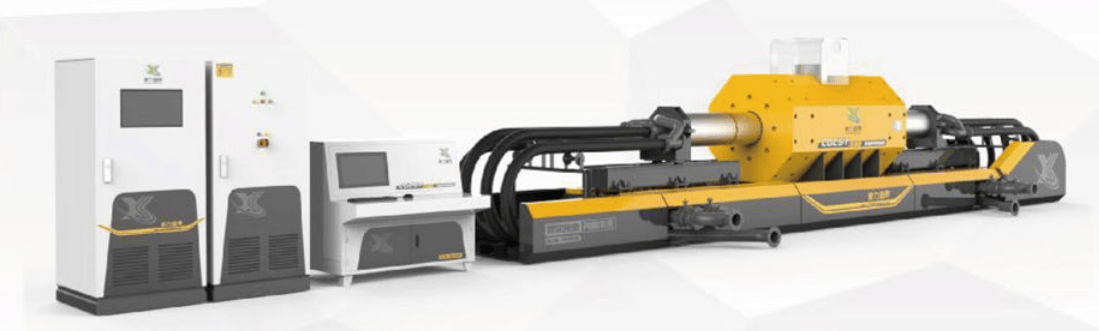
New Environmentally Friendly Green Potassium Salt Collector
Chonfar Engineering and Technology Co., Ltd.