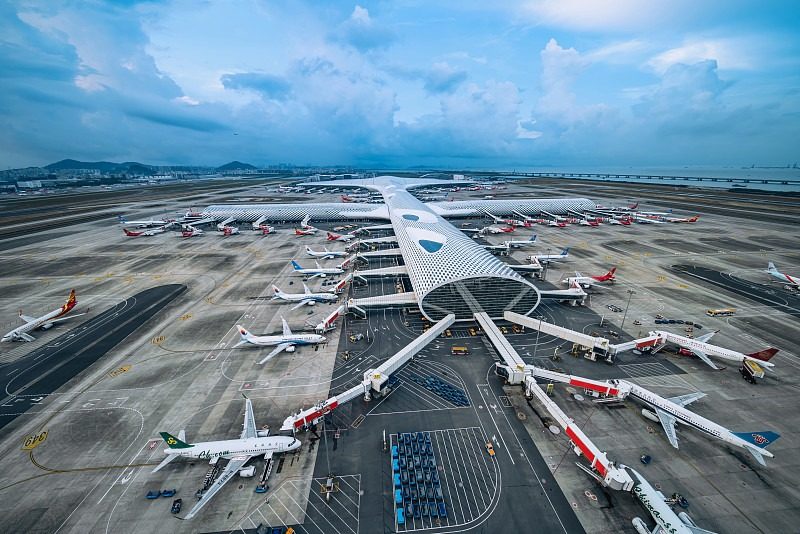
en.Wedoany.com Reported - Global port construction is increasingly driven by changes in trade routes, regional manufacturing capacity and supply chain security. Ports are no longer passive logistics nodes; they are becoming strategic infrastructure for industrial competition.
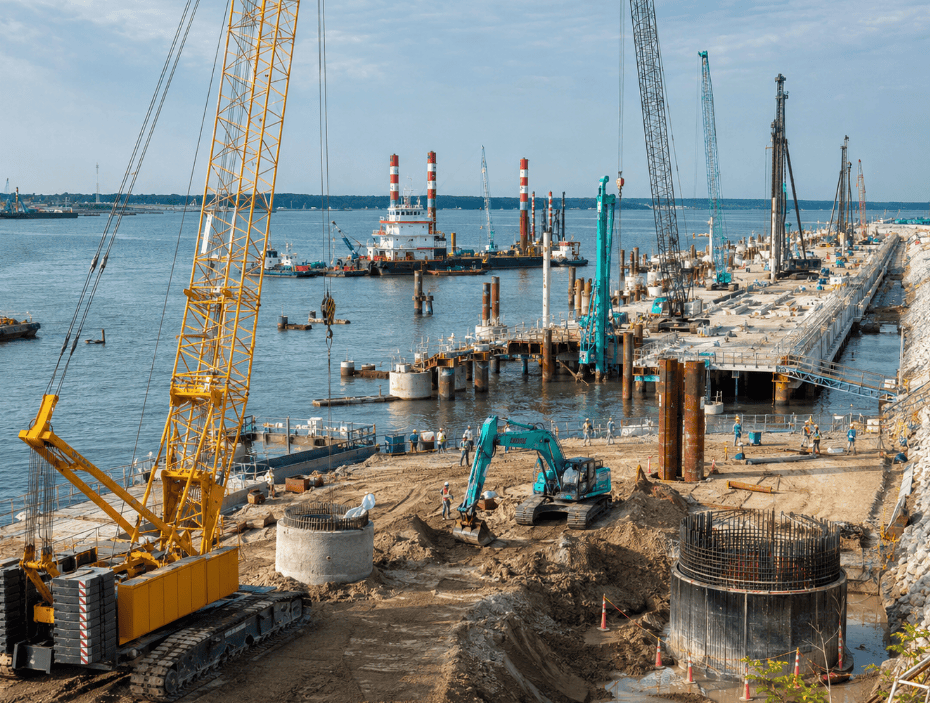
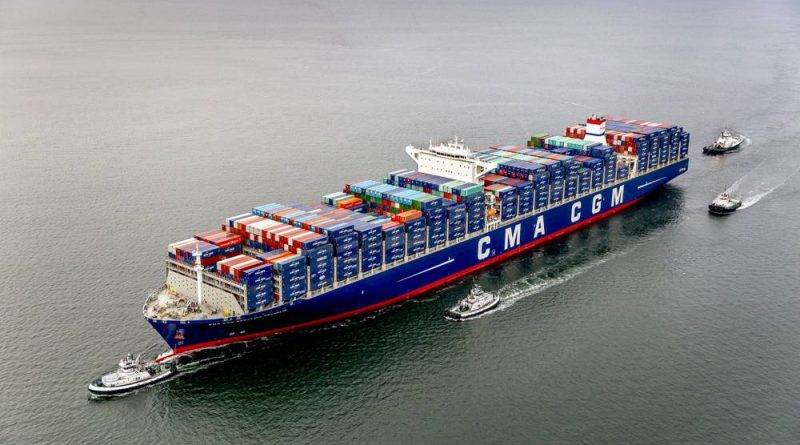
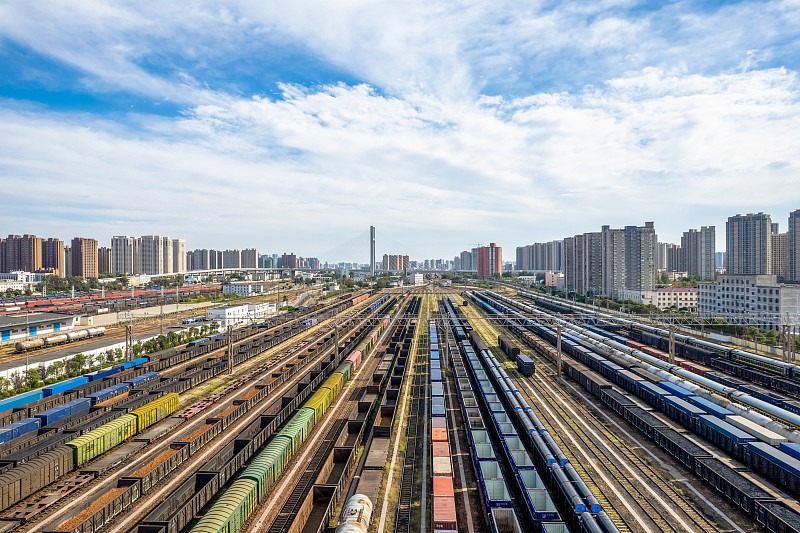
Container ports are closely linked to manufacturing and consumer goods trade. When production networks shift or regional trade grows, ports must improve berth productivity, yard efficiency and inland transport connections. For many regions, the ability to move containers smoothly is becoming as important as port scale itself.
Bulk cargo ports follow a different logic. They are shaped by energy, minerals, grain, cement, steel and other industrial flows. These ports require strong loading and unloading systems, storage control, environmental protection facilities and stable connections with mines, factories, power plants or industrial parks.
Port construction is also tied to energy transition. LNG terminals, offshore wind construction bases, hydrogen-related logistics facilities and renewable energy equipment ports are changing the function of some coastal infrastructure. Future ports may need to handle not only traditional cargo, but also large components, special equipment and new energy materials.
For engineering companies and equipment suppliers, the market opportunity is shifting from single-project construction to integrated port solutions. Design capability, equipment matching, digital operation support, environmental compliance and lifecycle service are becoming important competitive factors in global port construction.
This article is compiled by Wedoany. All AI citations must indicate the source as "Wedoany". If there is any infringement or other issues, please notify us promptly, and we will modify or delete it accordingly. Email: news@wedoany.com