China's Alibaba Designs AI Chips Around AI Agents
en.Wedoany.com Reported - Alibaba, through its semiconductor subsidiary T-Head, has launched a new generation AI processor, the Zhenwu M890, which delivers three times the performance of its predecessor, the Xuantie 810E. This chip is not designed solely for inference scenarios, but is specifically built for constructing AI agents—software systems that need to maintain longer contexts, coordinate with other models in real time, and execute complex multi-step tasks, placing higher demands on memory bandwidth and inter-model communication. This design approach reveals Alibaba's practical judgment on the direction of AI computing—planning hardware around the characteristics of enterprise-grade AI workloads anticipated in the coming years, rather than following current mainstream use cases.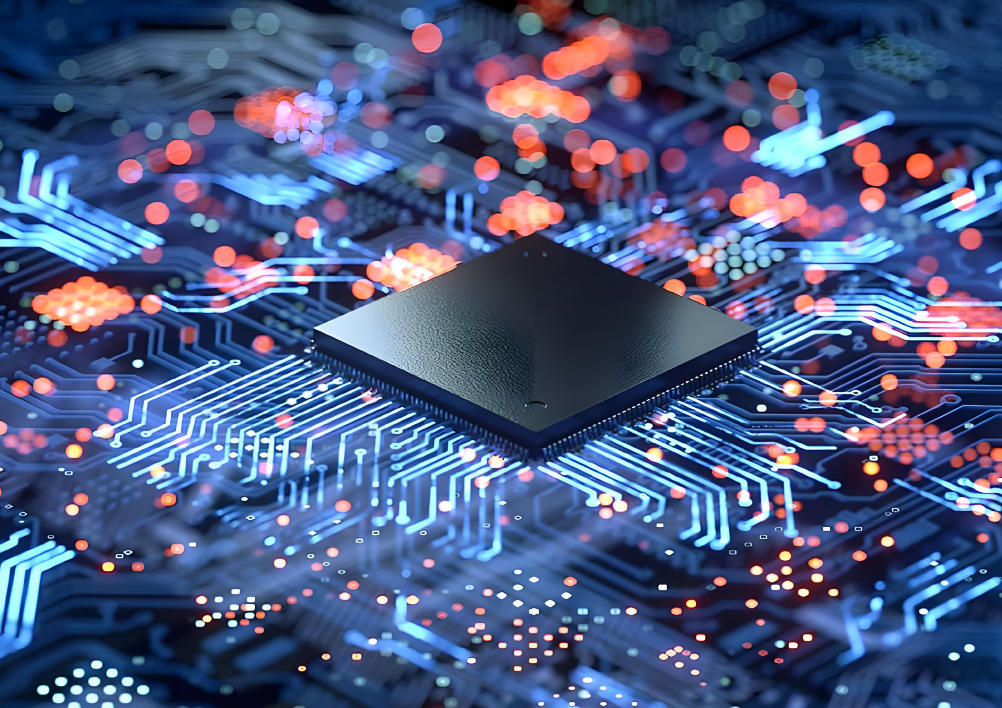
More noteworthy than the chip itself is the silicon roadmap Alibaba simultaneously announced. Following the M890, the V900 is set to launch in Q3 2027, promising another roughly threefold performance increase, followed by the J900 in Q3 2028. This clear iterative cadence resembles Nvidia's tick-tock product cycle, indicating that Alibaba has elevated its internal chip upgrades to a sustained strategy. Echoing the chip roadmap Huawei previously laid out for its Ascend series, both announcements reflect the same core judgment: Chinese enterprises have concluded that reliance on foreign chips constitutes an unacceptable structural risk, even against a backdrop of potentially easing export restrictions, and are therefore fully pivoting to advance semiconductor development as a long-term capability-building endeavor. Alibaba committed over 380 billion yuan (approximately $53 billion) last year to cloud and AI infrastructure over the next three years, and the M890 and its successors are downstream results of that investment.
T-Head stated it has shipped over 560,000 Xuantie series chips to date, covering more than 400 external customers across 20 industries, including automotive manufacturers and financial services companies. These deployment figures provide a practical production and operations foundation for the M890's launch. The new chip will be offered to enterprise customers through Alibaba Cloud's domestic model platform, Bailian, packaged within the Panjiu AL128 server system, which stacks 128 M890 accelerators in a single rack.
On the software side, Alibaba concurrently released the latest version of its flagship large language model, Qwen 3.7-Max, reportedly designed specifically for advanced coding and long-running agent tasks, capable of operating continuously for up to 35 hours without performance degradation. This time specification only makes sense when designed for extended autonomous operation. The chip and model were launched on the same day, forming a complete platform strategy: T-Head's self-developed chips, Qwen's self-developed models, and Bailian's cloud delivery mutually reinforce each other, with the overall aim of reducing enterprise customers' dependence on external suppliers.
This article is compiled by Wedoany. All AI citations must indicate the source as "Wedoany". If there is any infringement or other issues, please notify us promptly, and we will modify or delete it accordingly. Email: news@wedoany.com
Related Products


GYTA Type Non-Self-Supporting Aerial/Duct Optical Cable
TONGDING INTERCONNECTION INFORMATION CO., LTD.


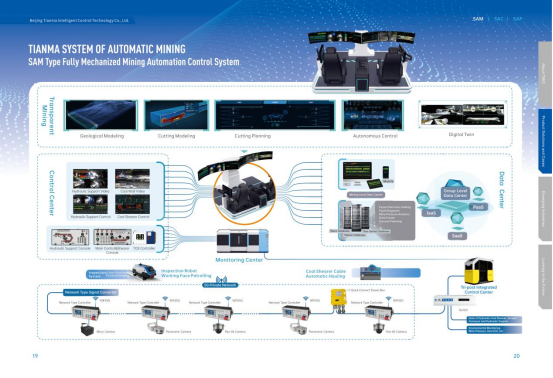
Comprehensive Mining Automation Control System
Beijing Tianma Intelligent Control Technology Co., Ltd.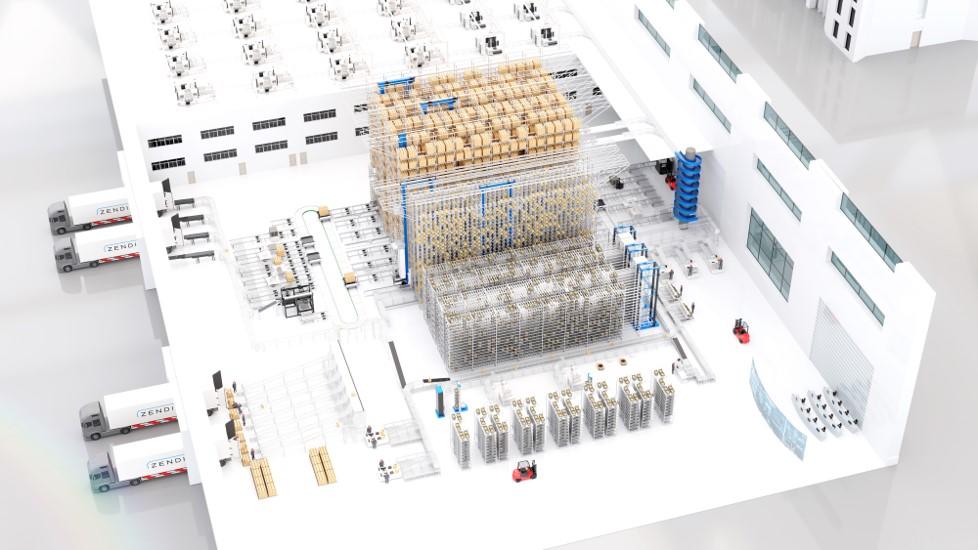
One-Stop Steward Service for the Entire Logistics System Integration Chain
Zhongding Intelligent (Wuxi) Technology Co., Ltd.
MUX Series Communication Interface Device for Security and Stability Control System
Nanjing NR Electric Co., Ltd.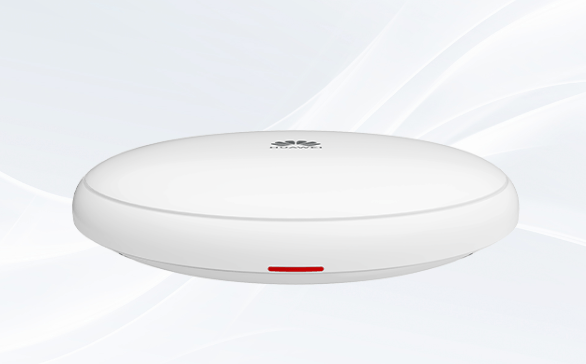

Multi-function Marine Monitoring Low-altitude Detection Radar Sea-air Boundary Ocean Dynamic Environment Measurement
Chengdu Dixin Technology Co., Ltd.
20 Inch 1600*900 Full HD 60Hz TFT LED Monitor with VGA and DP Interfaces for Desktop Computers-Business Use
Guangzhou Zanying Optoelectronics Technology Co., Ltd.