U.S. Senate Reviews Three Nuclear Energy Bills Aimed at Easing Regulations and Advancing Uranium Supply Chain Independence
en.Wedoany.com Reported - On May 21, the U.S. Senate Committee on Environment and Public Works reviewed three bills related to nuclear energy. This review is seen as a strategic move by the United States to ease excessive regulation and strengthen energy security, and it is expected to impact the global nuclear power market landscape.
The first bill allows the use of ordinary commercial concrete and steel in non-direct radiation areas, replacing the expensive nuclear-grade materials previously mandated by the U.S. Nuclear Regulatory Commission's (NRC) strict standards. It is understood that the cost of materials required for some components could previously be up to 50 times that of standard materials. If the bill passes, construction costs will be significantly reduced, and more local businesses will have the opportunity to participate in nuclear power projects.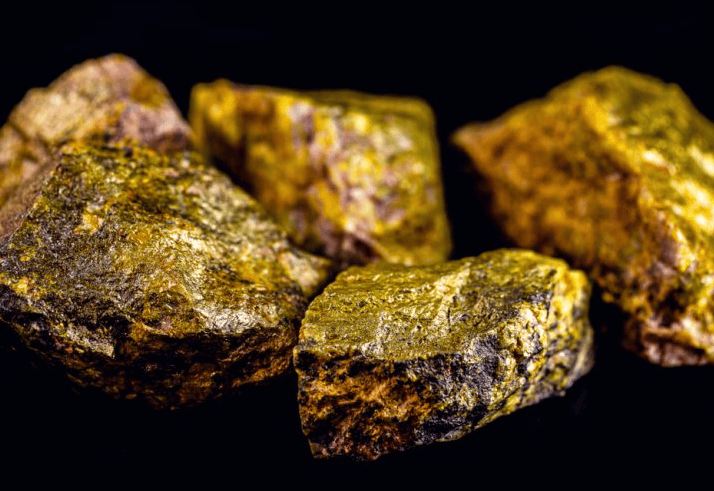
The second bill, the "Revitalizing the Economy by Accelerating Commercialization and Harnessing Advanced Reactor Generation for Energy Transition Act" (RECHARGE Act), focuses on streamlining the environmental review process for building new nuclear plants on the sites of retired fossil fuel power plants or contaminated industrial lands. This would enable the rapid deployment of advanced nuclear reactors by utilizing existing transmission infrastructure and skilled personnel. The move aims to revitalize economically disadvantaged regions and accelerate the national energy transition.
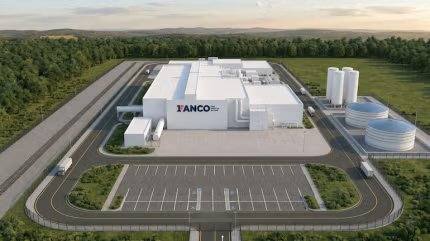
The third bill aims to modernize the 40-year-old licensing process for uranium enrichment facilities and lower regulatory barriers. Currently, the U.S. imports 80% of its enriched uranium, with 20% heavily reliant on Russia. The bill plans to increase domestic uranium enrichment capacity by up to five times, preparing for a potential full ban on Russian uranium imports to achieve self-sufficiency in uranium supply.
Analysts believe that the U.S. Senate's actions indicate that nuclear energy's role is shifting from a mere source of electricity to a core element of national security and industrial competitiveness. Reducing costs through regulatory rationalization and establishing a domestic uranium supply chain could become the new standard in the future nuclear power market.
This article is compiled by Wedoany. All AI citations must indicate the source as "Wedoany". If there is any infringement or other issues, please notify us promptly, and we will modify or delete it accordingly. Email: news@wedoany.com
Related Products

GW4-40.5/72.5/126/145/170/252/363/420 Series Double-column Horizontal Rotary High-voltage AC Disconnect Switch
SHANDONG TAIKAI DISCONNECTORS CO., LTD.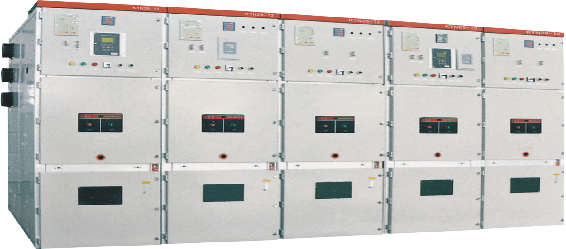
KYN28-12/24 Indoor High-Voltage Metal-Clad Removable Switchgear
Shenzhen Zhaoyang Hui Technology Co., Ltd.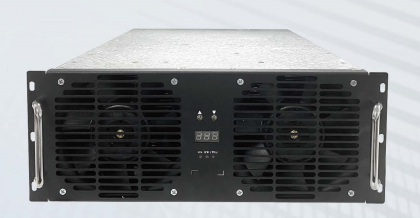
80kW Megawatt Supercharging Module TH80F10030C9
Shijiazhuang Tonhe Electronics Technologies Co., Ltd.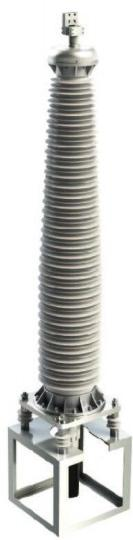
220kV Composite Outdoor Cable Terminal
Shenyang Guolian Cable Accessories Manufacture Co., Ltd.
Modular Multifunctional Water Supply and Drainage Vehicle (18T)
Changsha Dewater Machinery Technology Co., Ltd.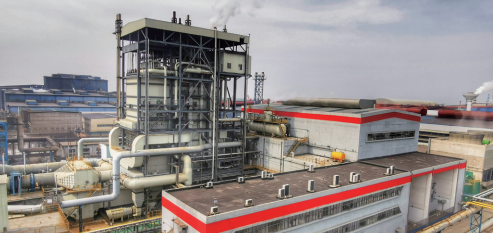
Jiujiang Pinggang 125MW Subcritical Gas Power Generation Project
Capital Engineering & Research Incorporation Limited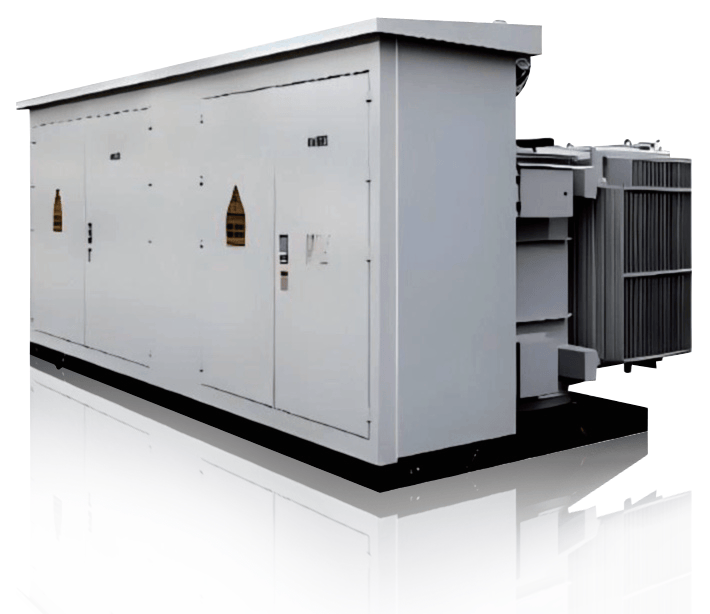
H-40.5/0.4~1.14kV New Energy Power Generation Dedicated High Voltage/Low Voltage Prefabricated Substation
XJ (Xiamen) Intelligent Power Equipment Co., Ltd.
Industrial and Commercial Point-Type Gas Detector
Jinan Benan Technology Development Co., Ltd.