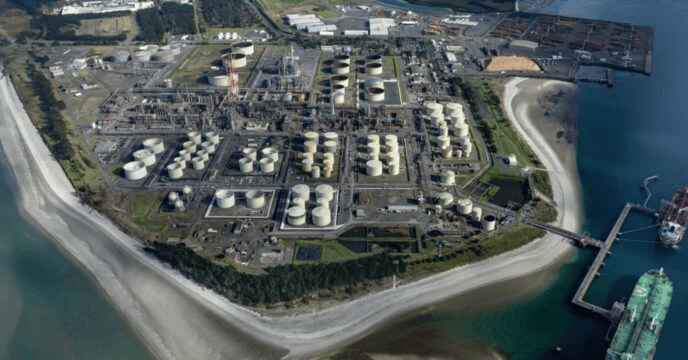
en.Wedoany.com Reported - Among all Refining Equipment, atmospheric and vacuum distillation units are the most fundamental and critical equipment groups in a refinery. They perform initial crude separation, cutting crude into naphtha, kerosene, diesel, gas oil and residue fractions, which become feeds for FCC, hydrotreating, reforming, coking and asphalt units.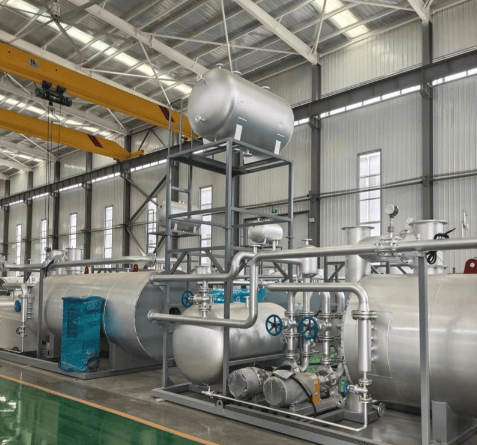
EIA explains that refining first separates crude oil into components and then selectively reconfigures them into new products. Reforming uses heat, moderate pressure and catalysts to turn naphtha into high-octane gasoline components, while alkylation combines gaseous cracking byproducts into gasoline components. This shows that distillation may appear to be only fractionation, but it defines the feed boundaries of all downstream conversion units.
Atmospheric and vacuum systems include electrostatic desalters, heat-exchanger networks, atmospheric furnaces, atmospheric towers, vacuum furnaces, vacuum towers, internals, air coolers, condensers, side strippers, pumps and control systems. The heat-exchanger network is often underestimated. Strong crude preheat reduces furnace fuel consumption; severe exchanger fouling raises furnace load, increases energy use, destabilizes towers and reduces throughput.
The main risks fall into three groups. The first is crude quality fluctuation, including water, salts, acid number, sulfur and metals. The second is corrosion, including naphthenic acid corrosion, sulfidation and ammonium chloride salt deposition. The third is reduced separation efficiency caused by damaged trays, plugged packing, flooding, entrainment or vacuum system abnormalities.
Refineries should manage atmospheric and vacuum equipment as the plant’s operating center, not only as basic units. Operators should track desalting efficiency, exchanger fouling factors, furnace outlet temperature, tower pressure, side-cut quality, vacuum level and corrosion monitoring data. The more stable distillation is, the easier downstream FCC, hydrotreating and coking units can maintain high load, low fluctuation and long cycle operation. If the first separation stage is weak, advanced downstream equipment cannot fully deliver its value.
This article is compiled by Wedoany. All AI citations must indicate the source as "Wedoany". If there is any infringement or other issues, please notify us promptly, and we will modify or delete it accordingly. Email: news@wedoany.com