en.Wedoany.com Reported - Refining companies were once measured mainly by crude processing capacity. Under changing fuel demand, rising petrochemical feedstock demand and stricter environmental requirements, however, competitiveness is no longer determined only by how much crude an atmospheric and vacuum distillation unit can process. It depends on whether the full Refining Equipment system can deliver stable processing, deep conversion, clean production and higher-value products.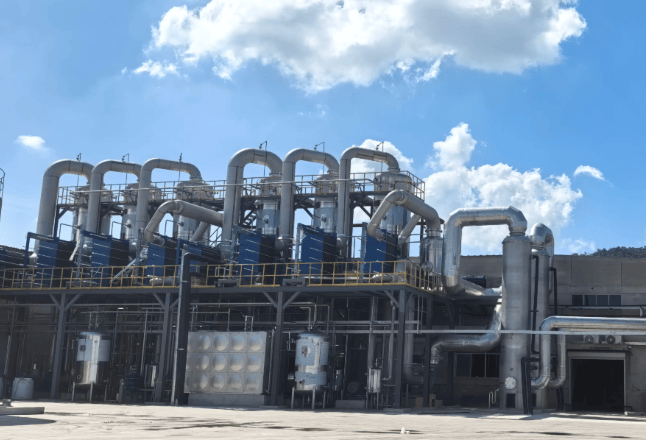
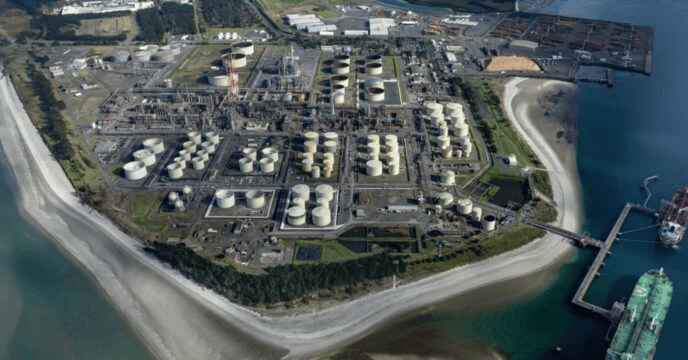
The U.S. EPA describes petroleum refineries as facilities that process crude oil into fuel products, nonfuel products and petrochemical feedstocks, including gasoline, diesel, jet fuels, LPG, asphalt, lubricants, naphtha, ethylene, propylene and BTEX compounds. This means refining equipment is not one unit, but a complete industrial system covering separation, conversion, treating, blending, storage, utilities and environmental control.
Typical refining equipment includes atmospheric and vacuum distillation towers, furnaces, heat exchangers, electrostatic desalters, FCC reactor-regenerator systems, hydrotreating reactors, reforming reactors, coke drums, compressors, pumps, air coolers, fractionators, sulfur recovery units, wastewater treatment facilities and storage systems. These units are tightly coupled: unstable crude pretreatment affects distillation; poor distillation cuts affect FCC and hydrotreating; insufficient hydrotreating capacity affects fuel quality; weak environmental systems limit total refinery load.
The industry is being squeezed from two sides: slower transport fuel growth and rising petrochemical feedstock demand. The IEA’s Oil 2025 report projects refined product demand to peak around 86.3 mb/d in 2027, while new refining capacity through 2030 may exceed refined product demand growth, with Asia, especially China and India, outpacing closures in Europe and the United States. Refiners therefore cannot win by capacity expansion alone. They must compete through equipment configuration, product flexibility and operating efficiency.
Refining Equipment planning should not evaluate only single-unit capital cost. It should assess crude flexibility, product flexibility, energy efficiency, environmental limits and long-cycle reliability. Future leading refineries will not necessarily be the largest. They will be the plants that can flexibly adjust gasoline, diesel, jet fuel, naphtha, aromatics, olefins and low-sulfur marine fuel output according to market demand. The ultimate value of refining equipment is not merely processing crude, but converting it into needed products more stably, cleanly and profitably.
This article is compiled by Wedoany. All AI citations must indicate the source as "Wedoany". If there is any infringement or other issues, please notify us promptly, and we will modify or delete it accordingly. Email: news@wedoany.com