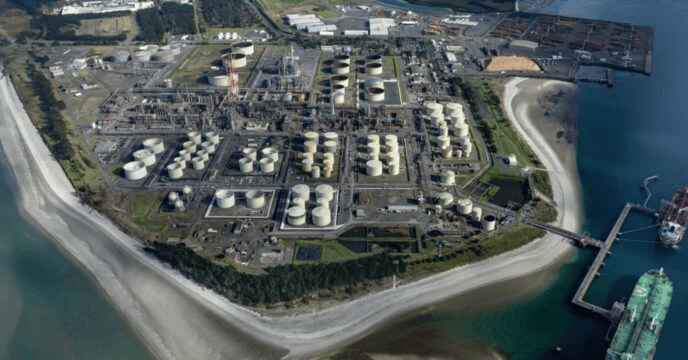
en.Wedoany.com Reported - Petrochemical tanks often store flammable, explosive, volatile or toxic media. Once a tank farm accident occurs, impact can be large and response difficult. For Petrochemical Storage Tanks, fire and explosion protection is not an auxiliary configuration. It must be designed from site layout, tank type, fire systems, relief devices, explosion-proof electrical systems, static grounding and emergency management.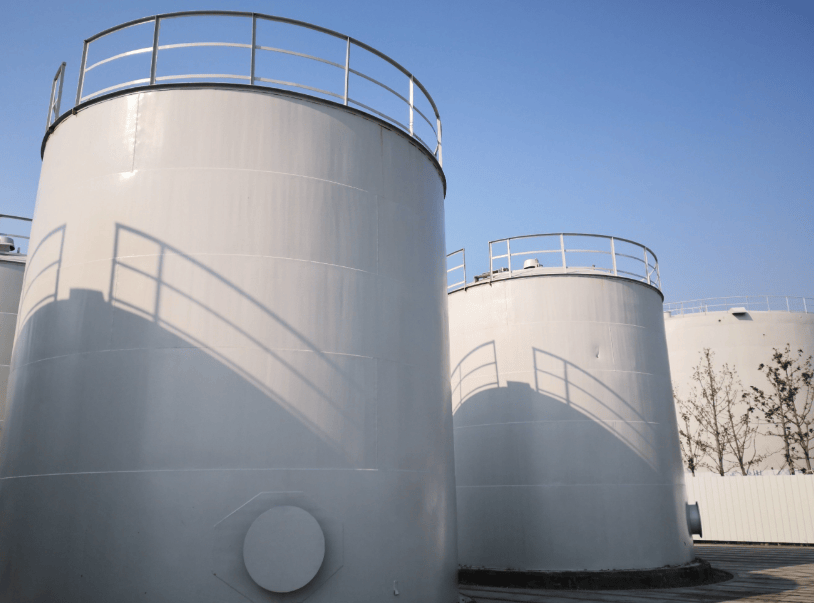
OSHA regulations for flammable liquids cover handling, storage and use requirements, including provisions related to tanks, dikes, electrical systems and the location of liquefied petroleum gas containers. Such rules show that tank safety is not only single-equipment safety; it is area safety. Tank spacing, dikes, fire roads, foam systems, cooling water, spill collection and emergency shutdown must be designed together.
Common tank fire risks include floating-roof rim-seal fires, fixed-roof tank explosions, lightning ignition, static discharge, vapor accumulation during loading, vent valve failure and uncontrolled hot work. Liquefied hydrocarbon spheres require special attention to overpressure, relief, water spray cooling and BLEVE risk. Chemical tanks require attention to reactivity, toxicity and corrosion.
Fire and explosion protection for Petrochemical Storage Tanks should use three lines of defense. The first is prevention: proper tank type, nitrogen blanketing, anti-static measures, lightning protection, temperature and pressure monitoring, and operating procedures. The second is control: combustible gas detection, emergency shutdown, foam fire suppression, water spray cooling and dikes. The third is emergency response: accident basins, firewater collection, emergency materials, drills and coordinated response. Tank farm safety cannot rely on one fire device; it depends on engineering design, instrumented interlocks and personnel management.
This article is compiled by Wedoany. All AI citations must indicate the source as "Wedoany". If there is any infringement or other issues, please notify us promptly, and we will modify or delete it accordingly. Email: news@wedoany.com