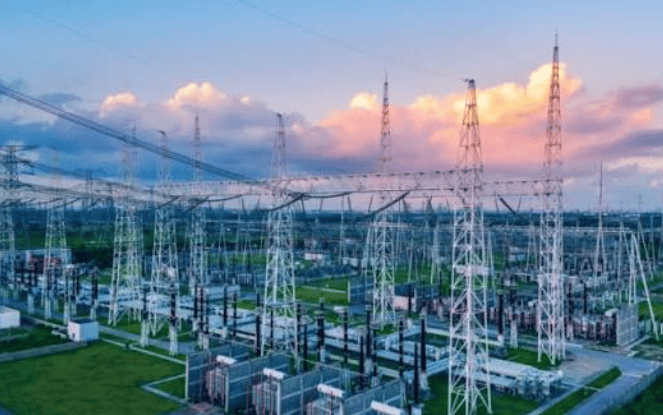
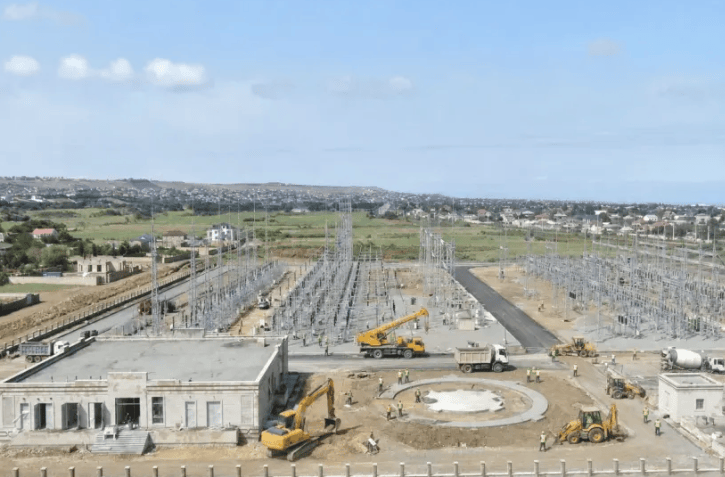
Reactive Power Compensation Is Moving Beyond Penalty Reduction Toward Core Power Quality Management
en.Wedoany.com Reported - In many industrial projects, reactive power compensation has traditionally been viewed primarily as a tool for improving power factor and reducing electricity costs. This view is not entirely wrong, but it is no longer sufficient. With the widespread use of variable-frequency drives, rectifiers, large motors, automated production lines and various types of power electronic equipment, the role of reactive power compensation has expanded far beyond cost reduction. It has now become one of the fundamental functions of power quality management.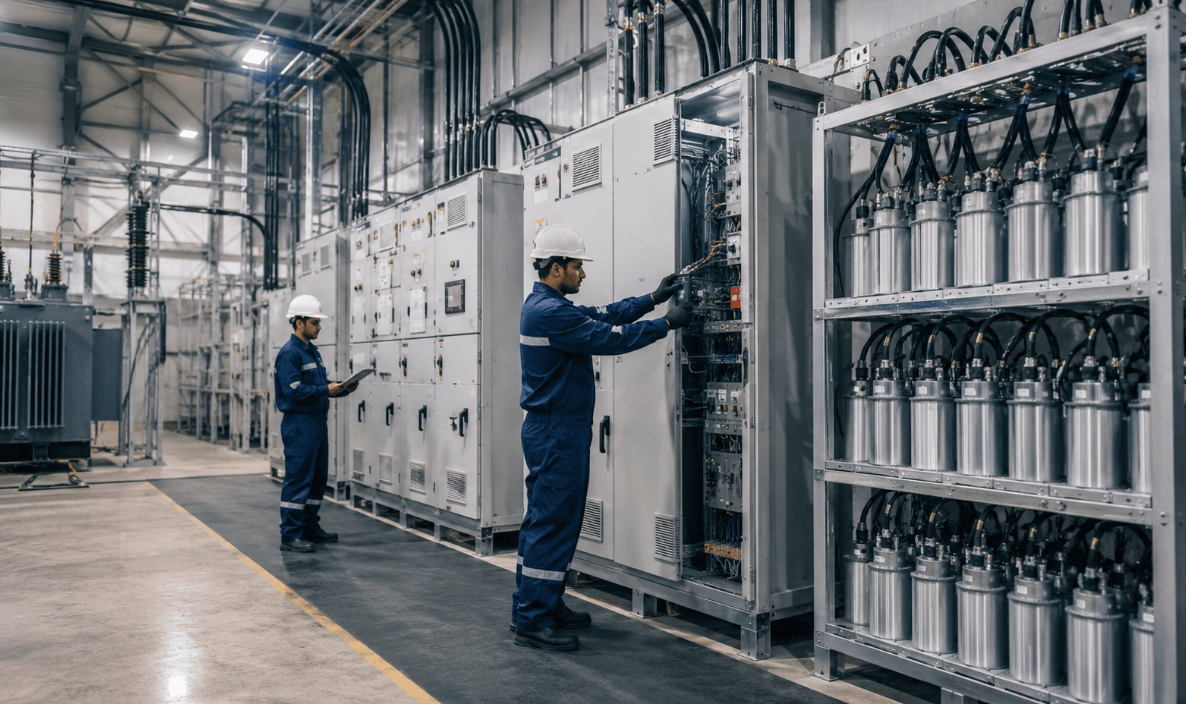
In actual operation, poor reactive power management does not only lead to billing issues. It can also cause bus voltage fluctuations, higher line losses, excessive equipment temperature rise and unstable operation of sensitive loads. In systems with rapidly changing loads, large impact loads or a high proportion of nonlinear equipment, traditional compensation solutions designed mainly from experience often fail to deliver the expected results. Reactive power compensation is therefore no longer merely an auxiliary function within a distribution system, but is increasingly becoming a core component of a stable power supply architecture.
A common problem in the market is that some enterprises install compensation equipment without actually resolving the underlying site issues. In most cases, the reason is clear: the system design does not fully consider load characteristics, harmonic conditions, switching frequency or future expansion requirements. As a result, the installed compensation capacity may appear sufficient, while its actual suitability remains poor. A more effective approach is to analyze the load structure and operating pattern first, and then determine whether static compensation, dynamic compensation or filtered compensation is the most appropriate engineering solution.
Looking ahead, industrial users will continue to pursue greater power supply stability, higher equipment efficiency and better overall energy performance. This means that the importance of reactive power compensation will continue to increase. Companies capable of transforming it into an analyzable, optimizable and sustainable engineering system will be better positioned in increasingly complex power consumption environments and will be more likely to create long-term value.
This article is compiled by Wedoany. All AI citations must indicate the source as "Wedoany". If there is any infringement or other issues, please notify us promptly, and we will modify or delete it accordingly. Email: news@wedoany.com
Related Products


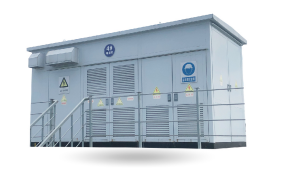
Smart Photovoltaic Prefabricated Substation
Shanghai Jinyou Jinhong Intelligent Electric Co., Ltd.
Industrial and Commercial Point-Type Gas Detector
Jinan Benan Technology Development Co., Ltd.
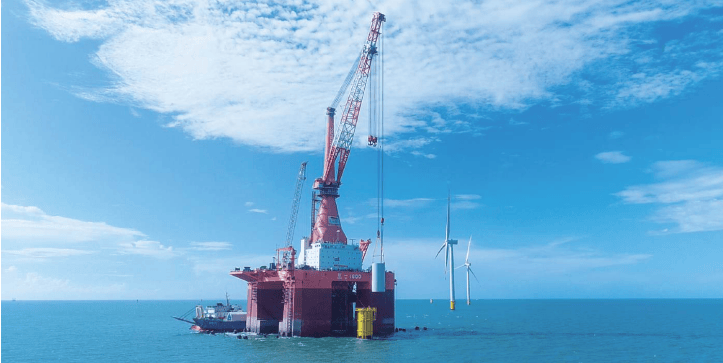
"Shunyi 1600" Deep-submerging Bottom-sitting Multi-functional Wind Power Engineering Vessel
Zhengli Offshore Engineering Co., Ltd.
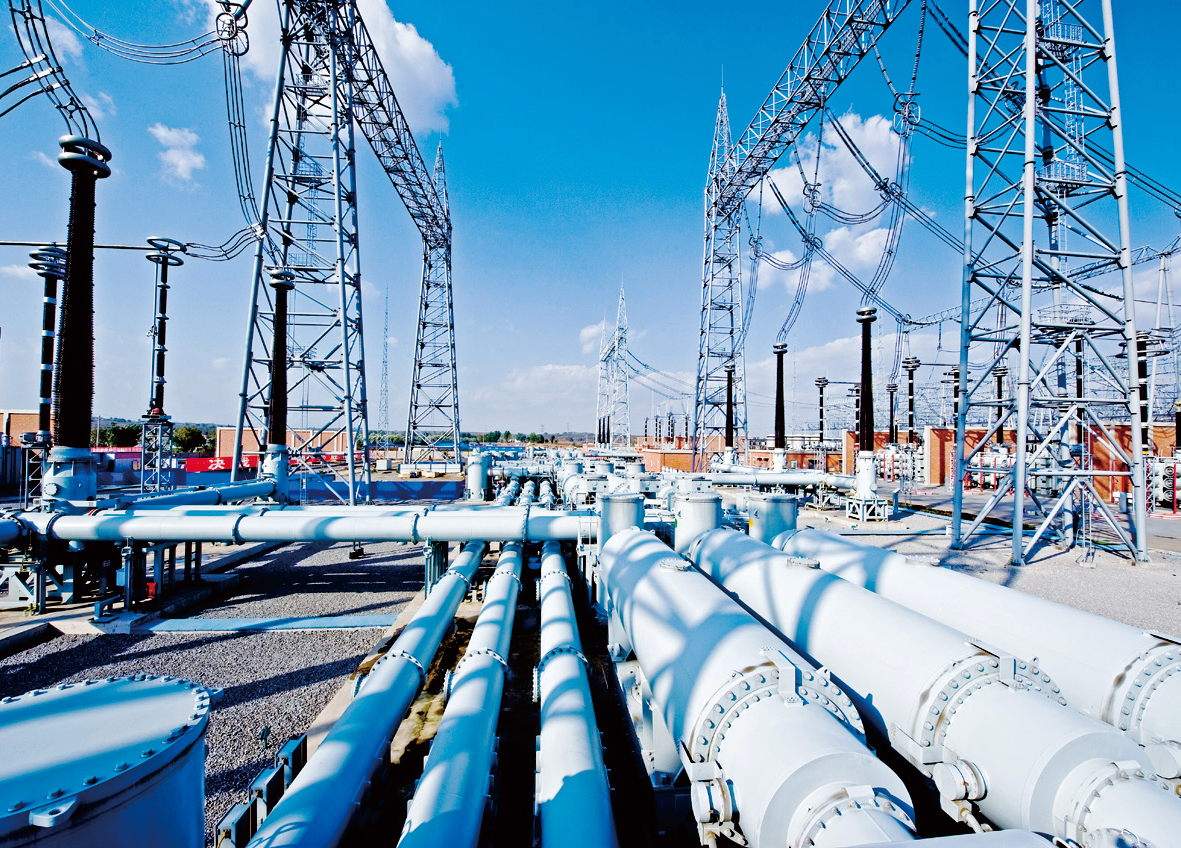
40.5kV-1100kV Gas Insulated Metal-Enclosed Switchgear (GIS)
Henan Pinggao Electric Co., Ltd.