Renewable Grid Integration Is Expanding the Engineering Value of Reactive Power Compensation
en.Wedoany.com Reported - As wind power, solar power, and energy storage projects continue to grow, the importance of Reactive Power Compensation in renewable power engineering is increasing significantly. In the past, reactive power compensation was mainly associated with industrial distribution systems. Today, renewable plants, step-up substations, and grid-connection points all require clearer and stricter reactive power support. The reason is straightforward: renewable output is inherently variable, local grid voltage is more easily affected, and insufficient reactive power regulation can lead to voltage limit violations, unstable grid-connection performance, and tighter dispatch constraints.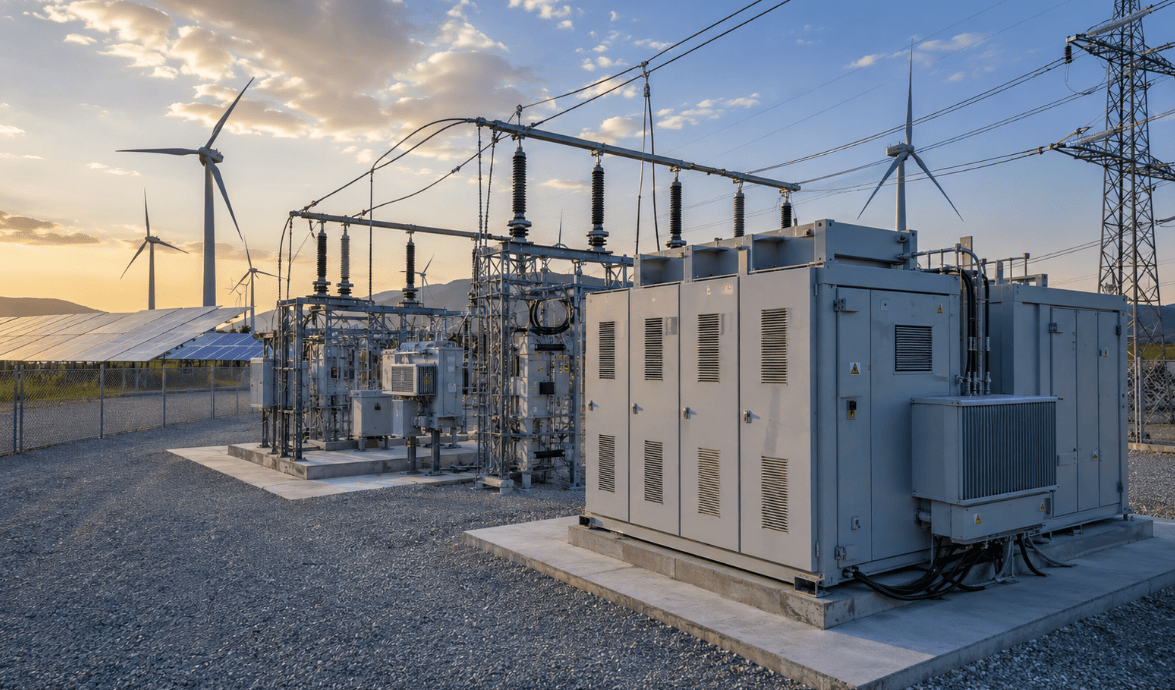
From an engineering perspective, reactive power compensation in renewable projects is no longer a matter of simply installing capacitor equipment. Its capability must be considered together with grid-connection control strategy, voltage support requirements, inverter operating characteristics, and the structure of the regional network. If conventional static design logic is still applied without accounting for dynamic regulation needs, a project may appear complete on paper while remaining weak in actual voltage support.
Operational experience in some projects illustrates this clearly. Even when a considerable amount of equipment is installed, response speed may not be sufficient under highly variable operating conditions, or the regulation boundary may remain unclear, forcing later-stage optimization. By contrast, projects that assess dynamic reactive power demand, switching of operating modes, and future expansion requirements during the design phase usually perform more steadily and are more likely to satisfy grid compliance expectations.
As renewable capacity continues to expand, the strategic importance of reactive power compensation will become even more obvious. It affects not only the grid-connection quality of individual projects, but also the safety and flexibility of regional power systems. In the future, companies that can integrate reactive power regulation more effectively into renewable system design will be better aligned with the evolution of the new power system.
This article is compiled by Wedoany. All AI citations must indicate the source as "Wedoany". If there is any infringement or other issues, please notify us promptly, and we will modify or delete it accordingly. Email: news@wedoany.com
Related Products

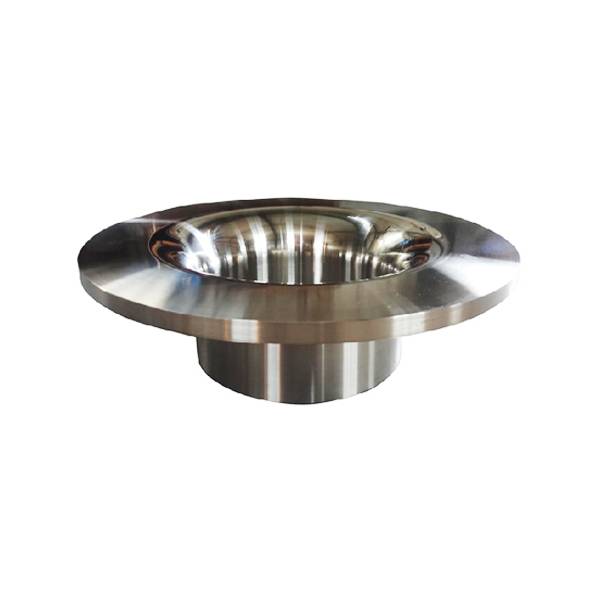
Standard Nozzle Flowmeter
Jinggong Automatic Control Instrument Complete Technology Development Company
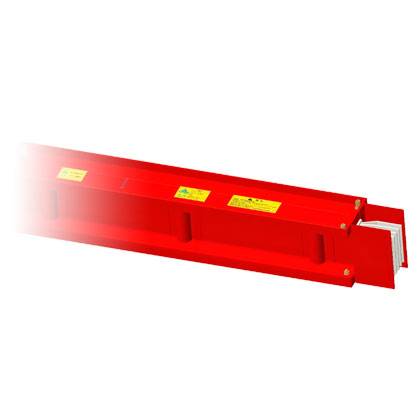
Mineral-insulated Compact Busway (Fire-resistant Busduct)
Zhuhai Guangle Electric Busway Co., Ltd.
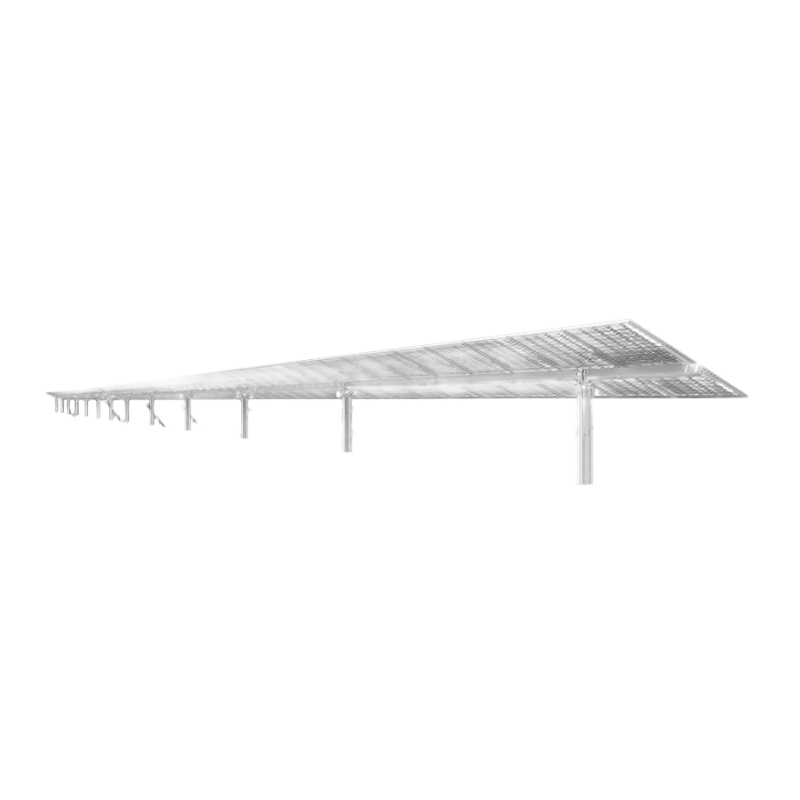
TAI Slew-drive Single-axis Independent 1P Tracking Bracket System
ANTAI TECHNOLOGY CO., LTD.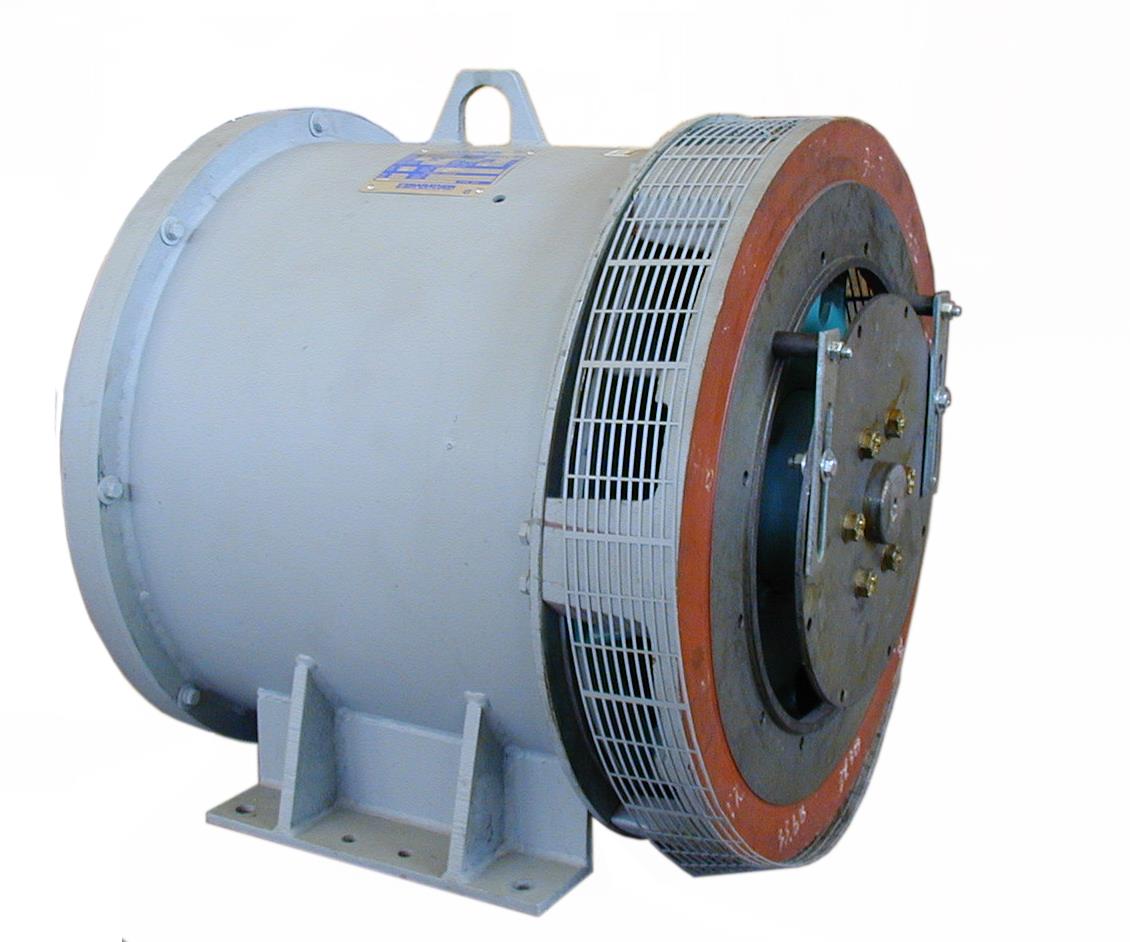
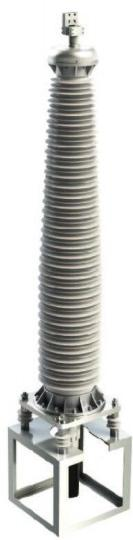
220kV Composite Outdoor Cable Terminal
Shenyang Guolian Cable Accessories Manufacture Co., Ltd.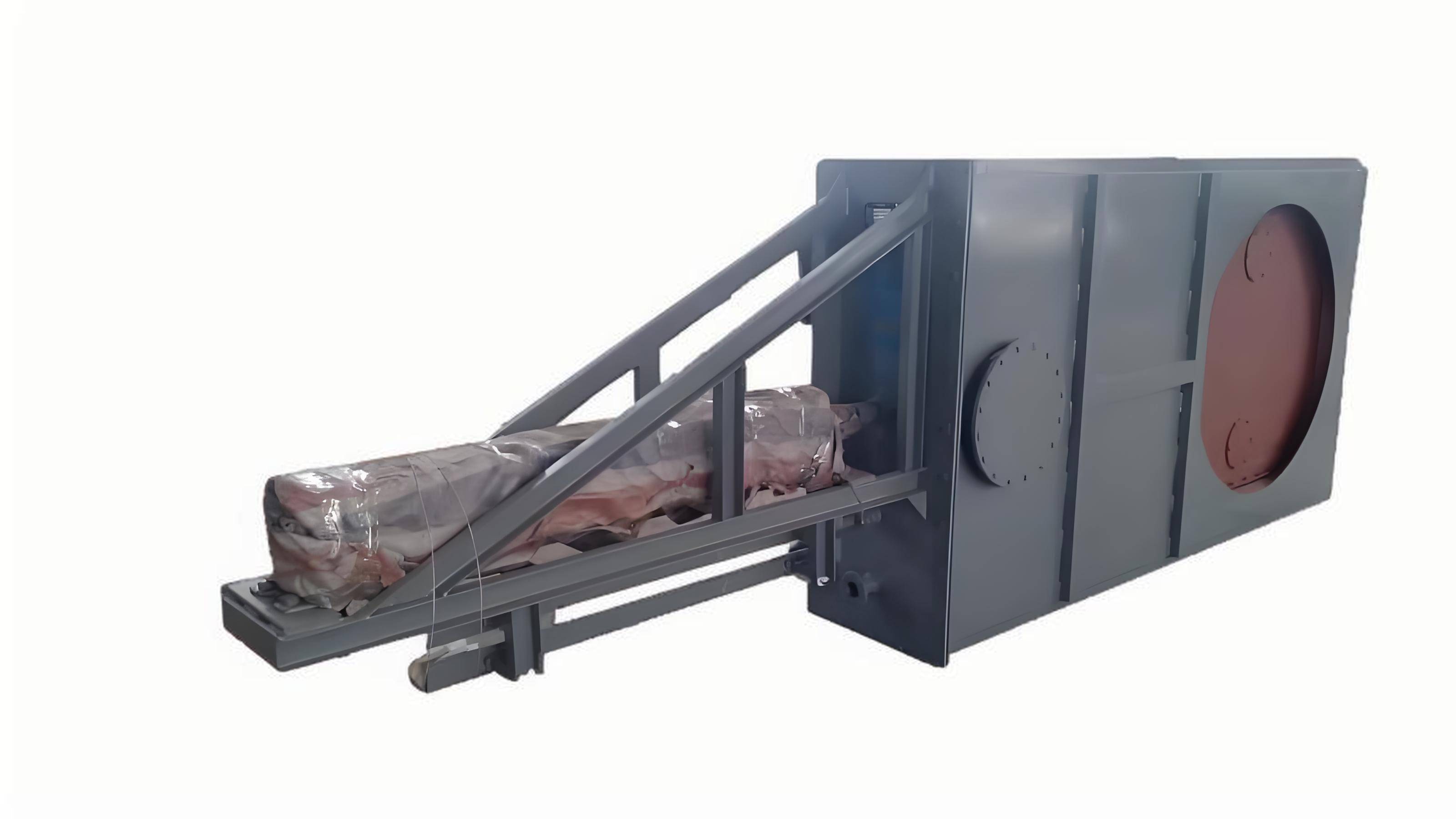
Double-slide Triple-sealed Hot Air Isolation Door
Xi'an Yingchuan Electric Power Equipment Co., Ltd.