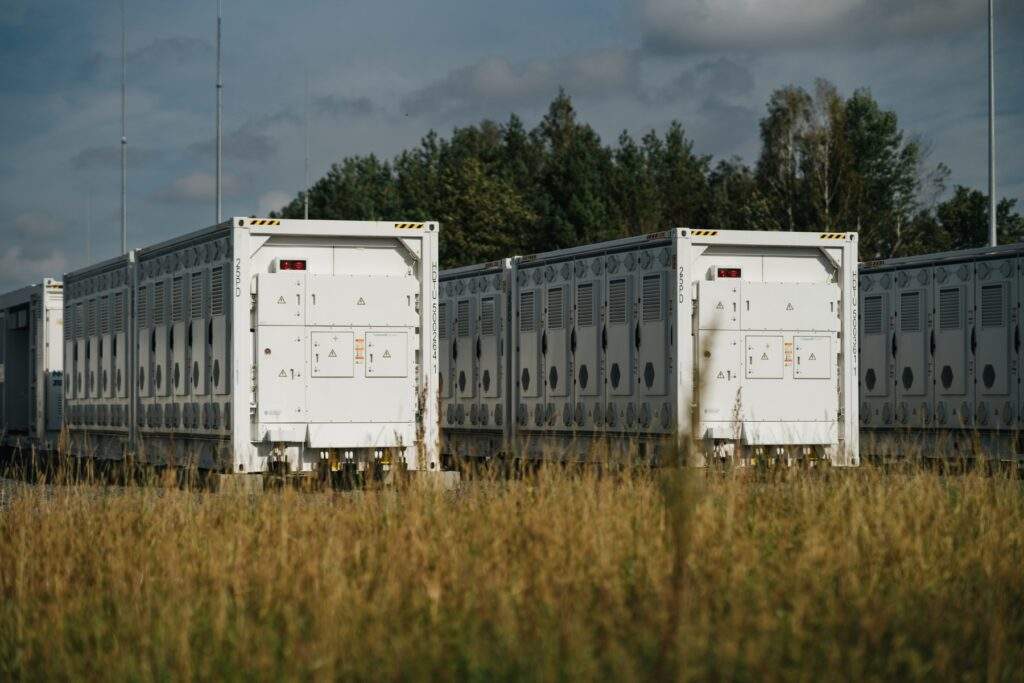
Data Centers and EV Charging Expansion Are Creating New Demand for Reactive Power Compensation
en.Wedoany.com Reported - The rapid expansion of data centers and electric vehicle charging infrastructure is pushing Reactive Power Compensation into a new stage of application. Compared with conventional industrial factories, these scenarios are characterized by high load density, strong continuity requirements, and a concentration of nonlinear loads. As a result, they place much stricter demands on supply stability and power quality. Under these conditions, reactive power compensation is no longer just a routine configuration in a distribution system. It is becoming a key technical tool for ensuring stable operation of critical loads.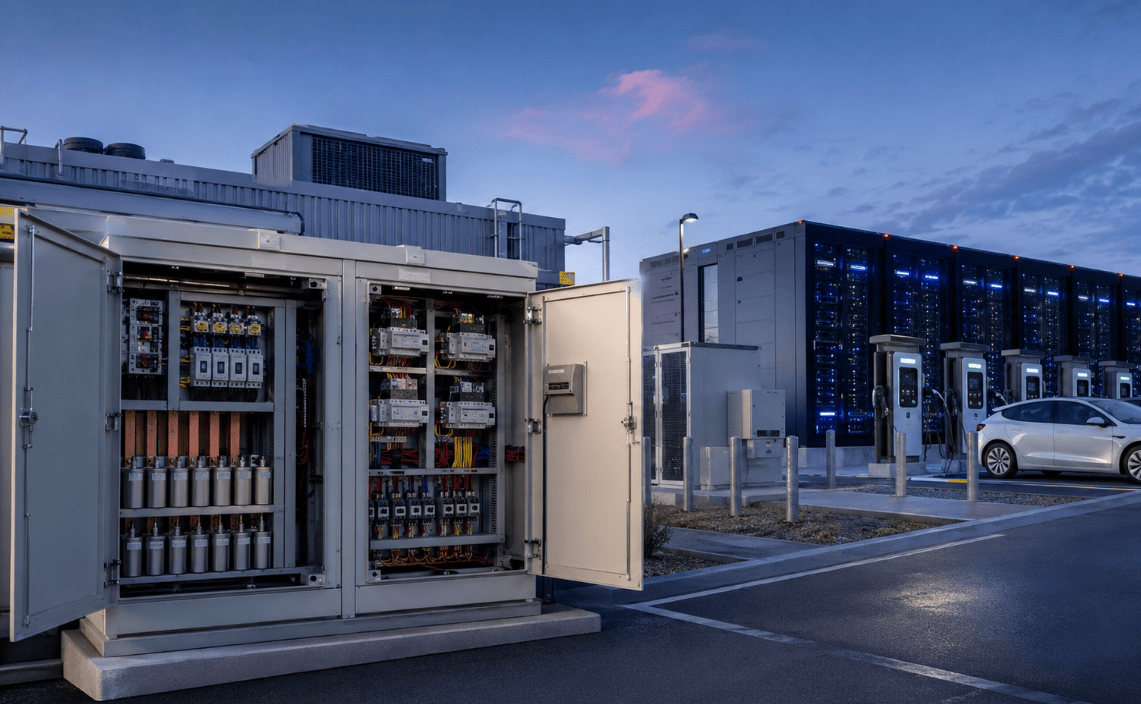
Both advanced data centers and high-power charging stations widely use rectifiers, inverters, and switched-mode power supplies, while their load variation is often more frequent than that of traditional facilities. If reactive power compensation is configured improperly, the site may suffer from local voltage fluctuation, additional line heating, reduced equipment efficiency, or even protection misoperation. In other words, these new electricity-use scenarios are not reducing the need for reactive power management. They are increasing its technical complexity.
A common design mistake is to treat such facilities as ordinary commercial loads and configure compensation equipment according to standard experience. The result is often recurring power quality issues after commissioning, followed by additional remedial costs. A more effective approach is to analyze load curves, harmonic background, future expansion boundaries, and dynamic response requirements at the early design stage, and then determine the most suitable equipment type and control logic.
Looking forward, as computing infrastructure and electric mobility continue to grow, reactive power compensation will play a larger role in data centers, computing parks, and charging or battery-swapping networks. Integrated solutions that combine compensation, filtering, and monitoring will be better able to meet the high-quality power requirements of these emerging applications.
This article is compiled by Wedoany. All AI citations must indicate the source as "Wedoany". If there is any infringement or other issues, please notify us promptly, and we will modify or delete it accordingly. Email: news@wedoany.com
Related Products

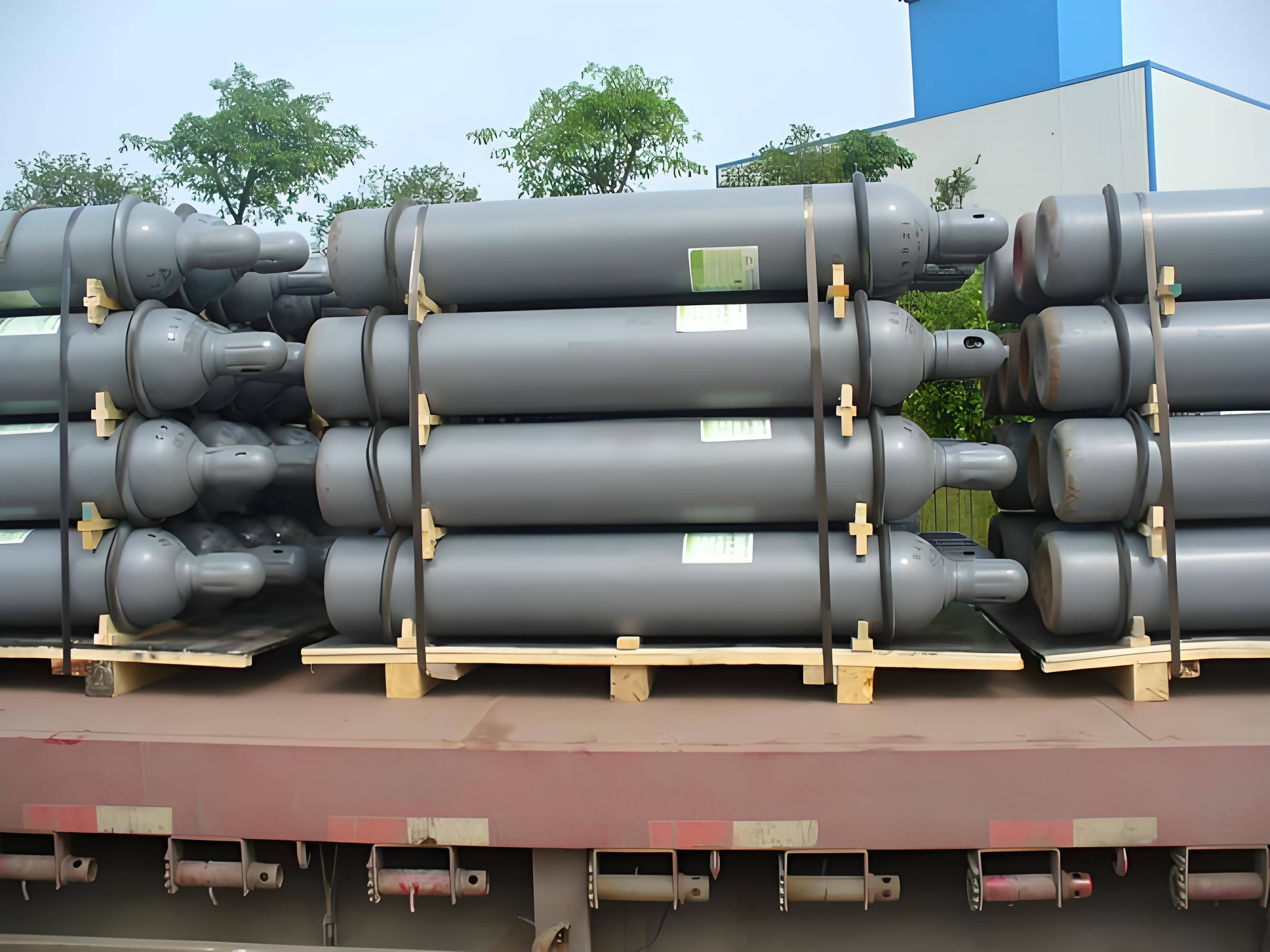
Global Sulfur Hexafluoride Gas Supply and Cylinder Export
Foshan Yuexin Industrial Gas Co., Ltd.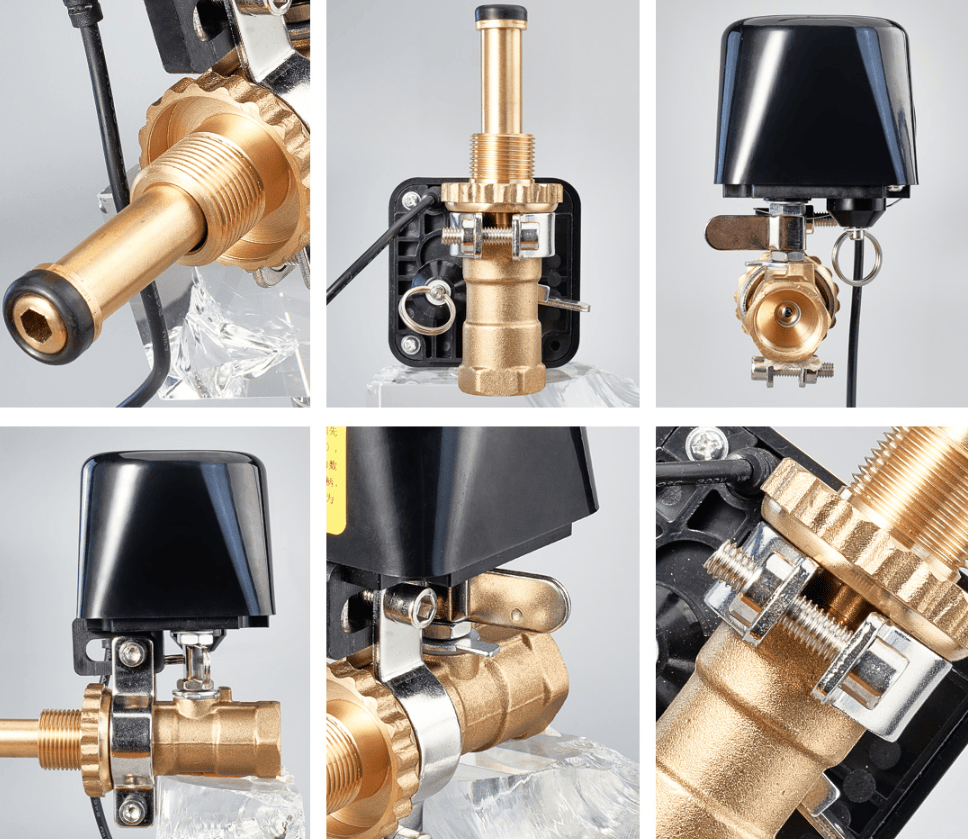
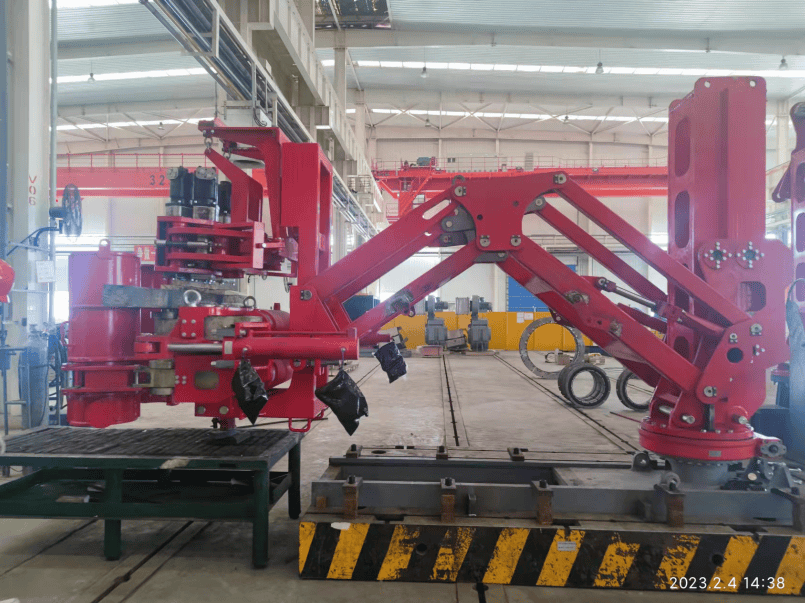
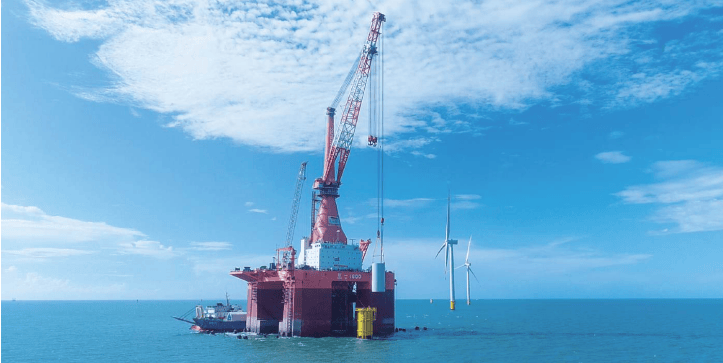
"Shunyi 1600" Deep-submerging Bottom-sitting Multi-functional Wind Power Engineering Vessel
Zhengli Offshore Engineering Co., Ltd.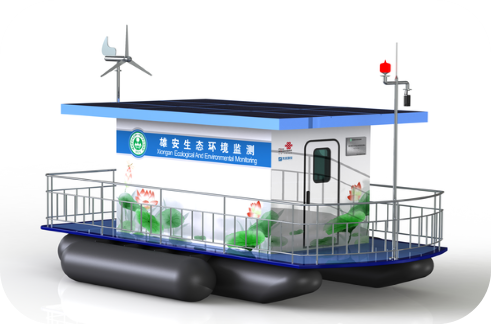
Floating Boat Water Quality Automatic Monitoring System
Hebei Sailhero Environmental Protection High-tech Co., Ltd.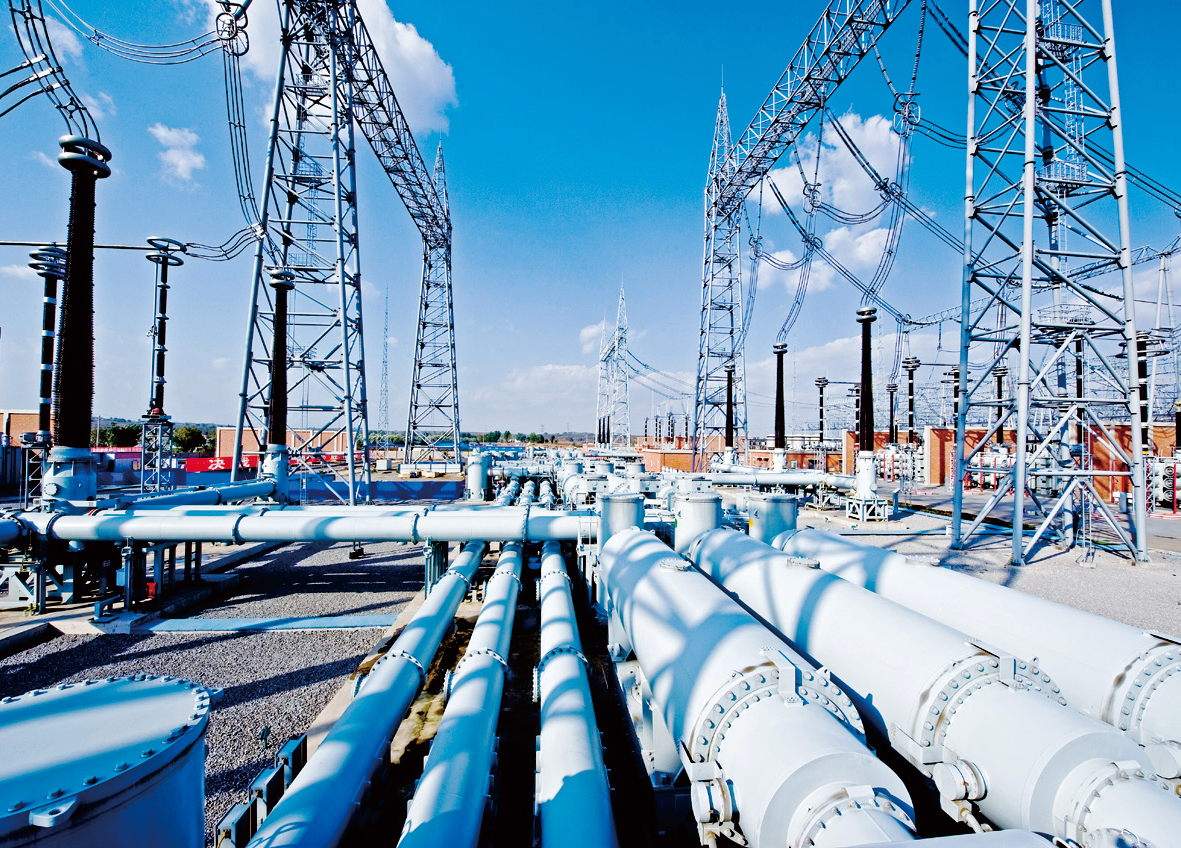
40.5kV-1100kV Gas Insulated Metal-Enclosed Switchgear (GIS)
Henan Pinggao Electric Co., Ltd.

Standard Nozzle Flowmeter
Jinggong Automatic Control Instrument Complete Technology Development Company