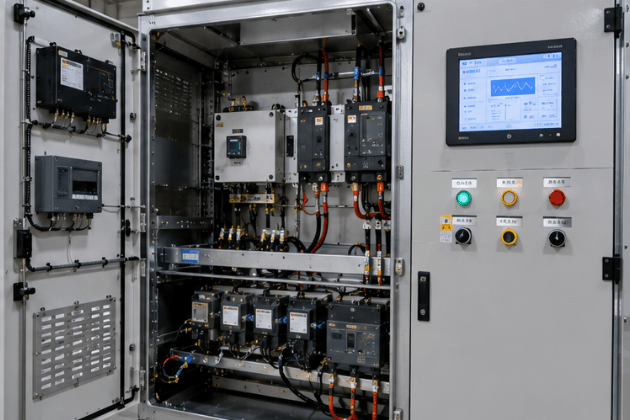
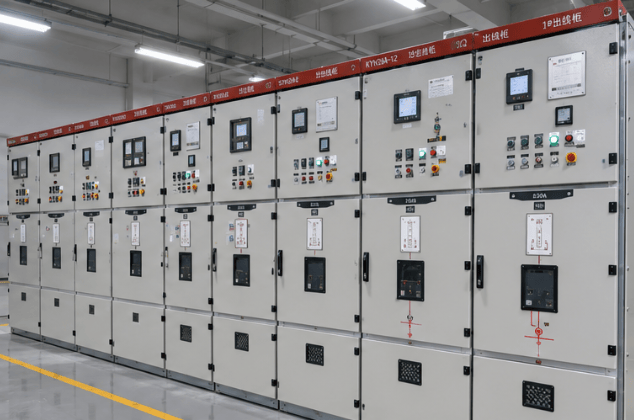
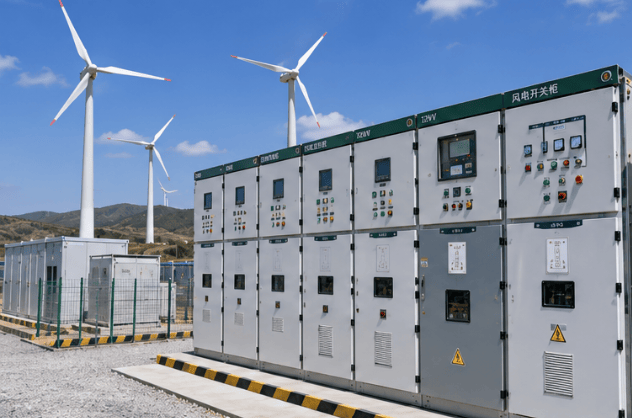
en.Wedoany.com Reported - Offshore wind development is raising technical requirements for Wind Power Switchgear. Compared with onshore wind farms, offshore projects are usually farther from land and involve electrical assets distributed across offshore substations, turbine towers, submarine cable interfaces and onshore control centers. In this environment, switchgear must perform switching, protection and isolation functions while enduring salt fog, humidity, vibration, marine transport, limited maintenance windows and high downtime costs.
Salt fog and humidity are typical challenges. Marine environments accelerate metal corrosion and increase the risk of moisture, condensation and creepage on insulation surfaces. Enclosure protection, anti-corrosion coating, sealing structure, heating and dehumidification, material selection and cable interface treatment must be designed for offshore conditions. Equipment designed only for ordinary indoor distribution environments may face corrosion, insulation degradation, terminal contact problems or false alarms after long-term operation.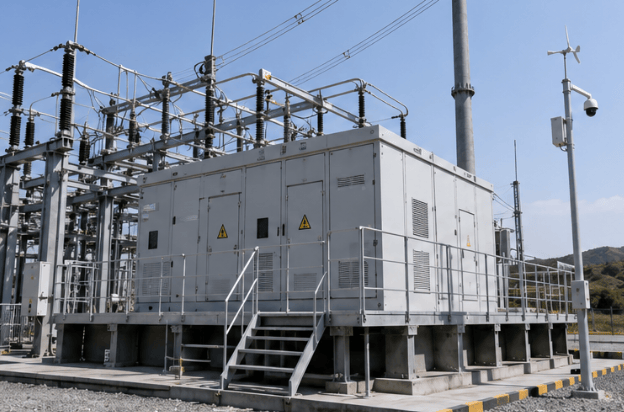
Space limitation is another important factor. Offshore substations and turbine interiors have limited room. Equipment weight, cabinet dimensions, maintenance channels and installation methods all affect platform design and construction cost. Compact switchgear, modular structures, prefabricated electrical rooms and highly integrated solutions can therefore create value in offshore wind projects.
However, compactness should not come at the expense of maintainability or safe clearance. Engineering design must balance space utilization with operation and maintenance safety. A design that saves space during construction may create higher cost later if inspection and replacement are difficult.
Remote operation capability is especially important offshore. Marine maintenance is affected by weather windows, vessels, personnel availability and safety permits. A switchgear fault cannot always be handled as quickly as in an onshore project. Monitoring of temperature, humidity, partial discharge, circuit breaker condition, door status and protection event records can help operators identify risks earlier and reduce unnecessary offshore visits.
In the future, offshore wind switchgear will place more emphasis on high reliability, low maintenance, digital monitoring and life-cycle management. For suppliers, offshore wind is not simply a matter of moving onshore products to the sea. It requires product and service design around corrosion protection, environmental sealing, remote diagnosis, transport, installation and maintenance strategy.