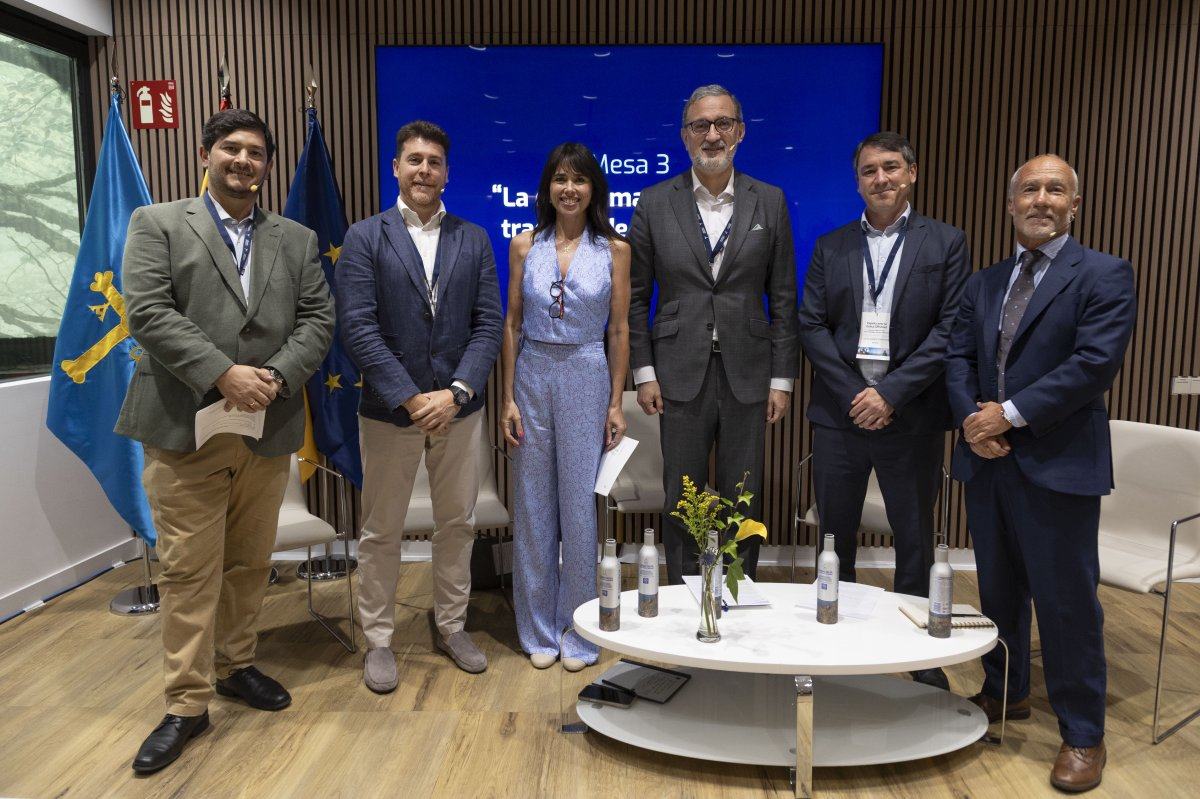
en.Wedoany.com Reported - Spain is preparing to take a decisive step into offshore wind power, and the northern Iberian region is demanding a leading role in this development. At the "Spain Faces Offshore Wind" conference held this Thursday in Madrid, representatives from the Asturias Economic and Business Office, the Oviedo Chamber of Commerce, and the Asturias Energy Foundation (FAEN) discussed this topic.
The conference noted that Europe is prioritizing offshore wind to strengthen energy autonomy, bolster industry, and advance decarbonization. Spain has advantages in shipbuilding, energy companies, port facilities, and technology investment. The focus of discussion is no longer whether it can lead in offshore wind, but how to achieve it. Oliverio Álvarez, Managing Partner for Energy, Resources & Industry at Deloitte, recalled in the first panel that the world's first wind farm in the early 1990s had only 11 turbines of less than 1 MW each, while the industry now has "machines thirty times larger," with global cumulative offshore wind capacity exceeding 90 GW.
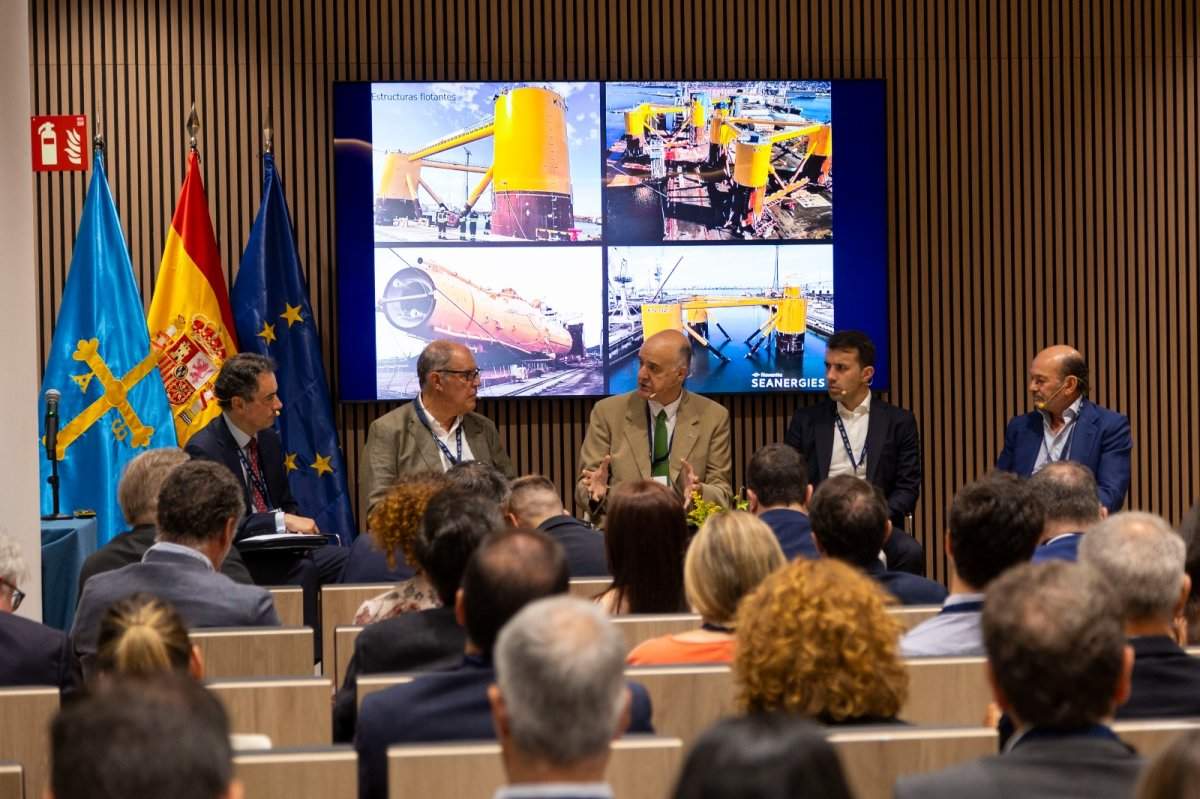
Antonio Sánchez, Commercial Director of Navantia Seanergies, emphasized that offshore wind has become a "necessity." He stated that Spain is the country with the most floating units deployed globally and has gained experience in projects like Wikinger. The domestic supply chain can still manufacture foundations, substations, and fixed lattice structures, capabilities that are no longer available elsewhere in Europe. David Carrascosa, CEO of Saitec Offshore, pointed out that Spain lacks a continental shelf and must bet on floating technology, which brings additional financial and talent challenges. However, he praised the favorable domestic climate conditions and the competitiveness of Spain's steel and concrete supply chain, along with €212 million in public port investments providing 20-meter water depths at quayside, outperforming competitors like the UK. Miguel Sorita, Chairman and CEO of Zima Equity Investments, distinguished between power generation and supply chain businesses from an investment perspective, warned that the market needs a stable supply chain, predicted strong demand growth from 2028, and urged the government to accelerate energy auctions. Álvaro Platero, CEO of Gondán Shipyard, stated that offshore support vessels built in Asturias are equipped with automatic gangways and hydrogen research, but European subsidy bureaucracy sometimes dampens corporate initiative.
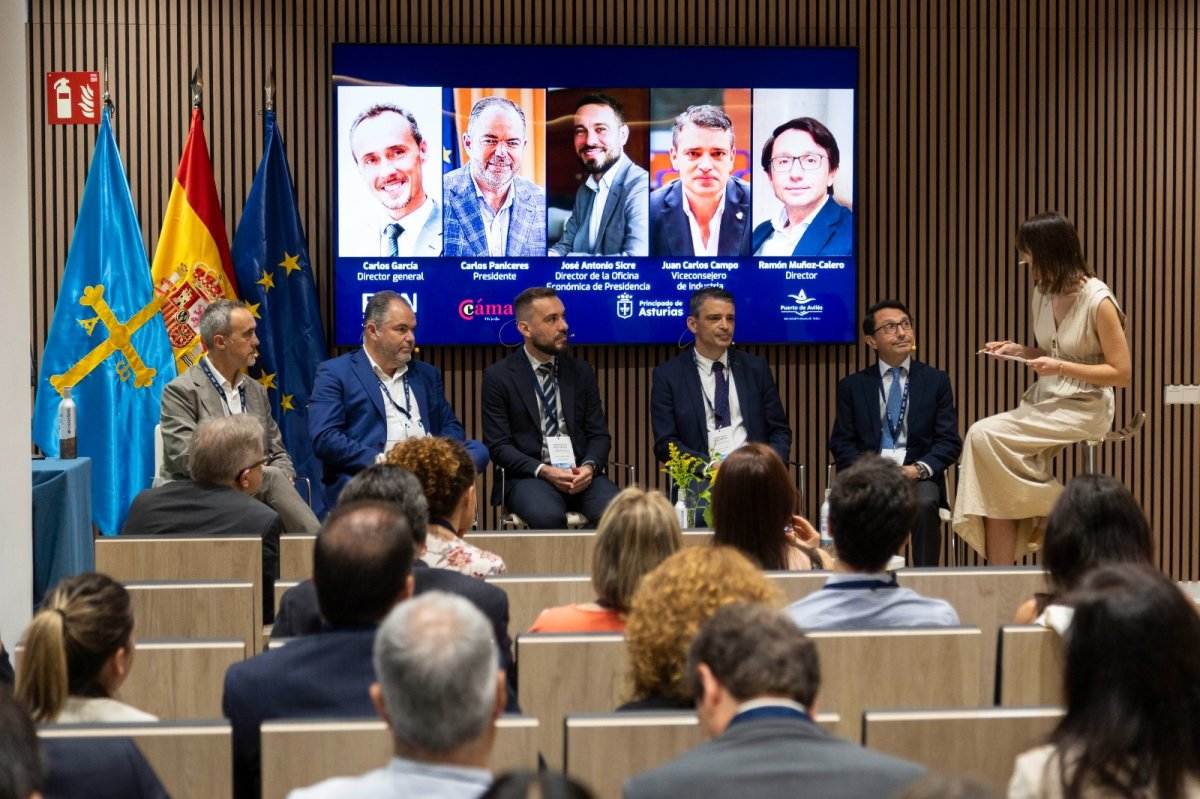
The second panel, moderated by Marta González Hill, Head of Offshore Wind Services at DNV, explored the capabilities of the Cantabrian coastal region. The industry's development pace is slower than expected and still faces technical challenges. Carlos García, Director General of the Asturias Energy Foundation (FAEN), stated that local industry is capable of competing in international markets but needs a clear auction timeline. Carlos Paniceres, President of the Oviedo Chamber of Commerce, advocated strengthening the link between science and industry to boost innovation. José Antonio Sicre, Head of the Economic Office of the Presidency of the Principality of Asturias, called for public-private cooperation to support local business investment. Ramón Muñoz-Calero, President of the Port Authority of Avilés, stated that Asturian industry is ready for internationalization and will strive for equipment installed near the coast to be developed in Spain. Juan Carlos Campo, Deputy Minister of Industry of the Government of Asturias, confirmed the region's commitment to offshore wind and noted that due to electrification demand, electricity has entered a phase of scarce commodities.
The final panel was moderated by Ramón Roca Salamero, Director of the Energy Daily. He recalled that fifteen years ago offshore wind was considered a technological fantasy, and described the announcement by Ecological Transition Minister Sara Aagesen on the feasibility of launching the first floating offshore wind auction as "a huge congratulations to the industry." Juan Virgilio Márquez, CEO of the Spanish Wind Energy Association (AEE), stated that the industry urgently needs clear market creation signals; developers cannot take risks without competitive suppliers, and manufacturers need to see long-term volumes before investing in capacity expansion. He emphasized that the offshore wind market is created by governments, and governments decide the planning. Manuel Fernández, Director of Development for OW Ocean Winds in Spain, stated that the company has been laying the groundwork for the market since 2019, floating technology has become a commercial reality, but auctions require public drafts and ministerial orders, and regulatory procedures need to be initiated as soon as possible. Lucas Gómez Fontecha, Global Offshore Wind Project Services Director at Iberdrola, argued that the industry needs to move beyond the pilot project phase and enter a commercial phase through well-designed auctions, calling for a stable multi-year timeline. Javier Torrijos, Global Offshore Wind Sales and Business Development Director at Envision Energy, agreed that auctions provide visibility for the industry, allowing suppliers to plan factory investments in advance.
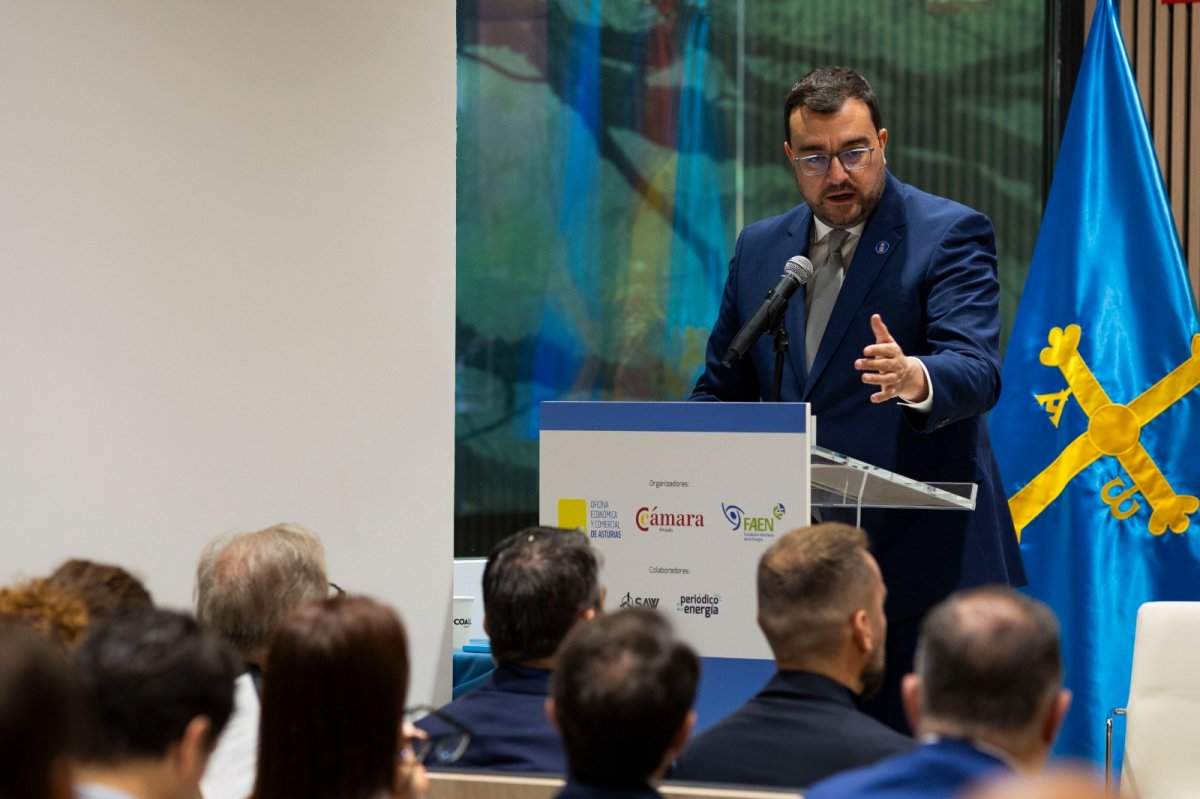
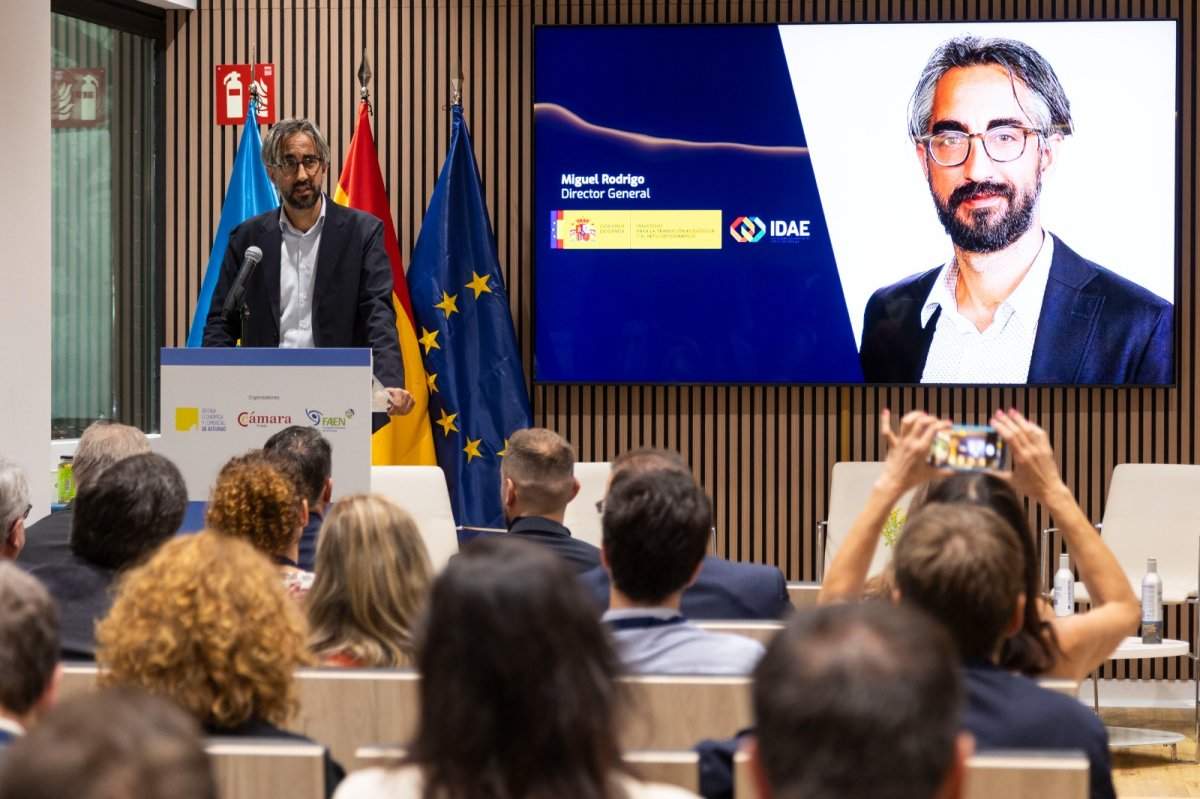
Adrián Barbón, President of the Principality of Asturias, and Miguel Rodrigo, Director General of IDAE (Institute for Energy Diversification and Saving), provided political and strategic support for the conference. Barbón defined the current period as the "Asturian Renaissance," confirming that offshore wind is a core part of the industry, and progress is being made through the new industrial strategy and the Avilés Port 2040 strategic plan. Miguel Rodrigo presented the fiscal dimension at the administrative level, emphasizing that Spain remains at the forefront of Europe, and detailed direct public investments to protect the domestic value chain, including €212 million from the Porteo Elmar plan to renovate five strategic ports (including Gijón and A Coruña-Ferrol), €162 million from Renoval 2, and €147 million from REMMarinas Demos for test platforms.