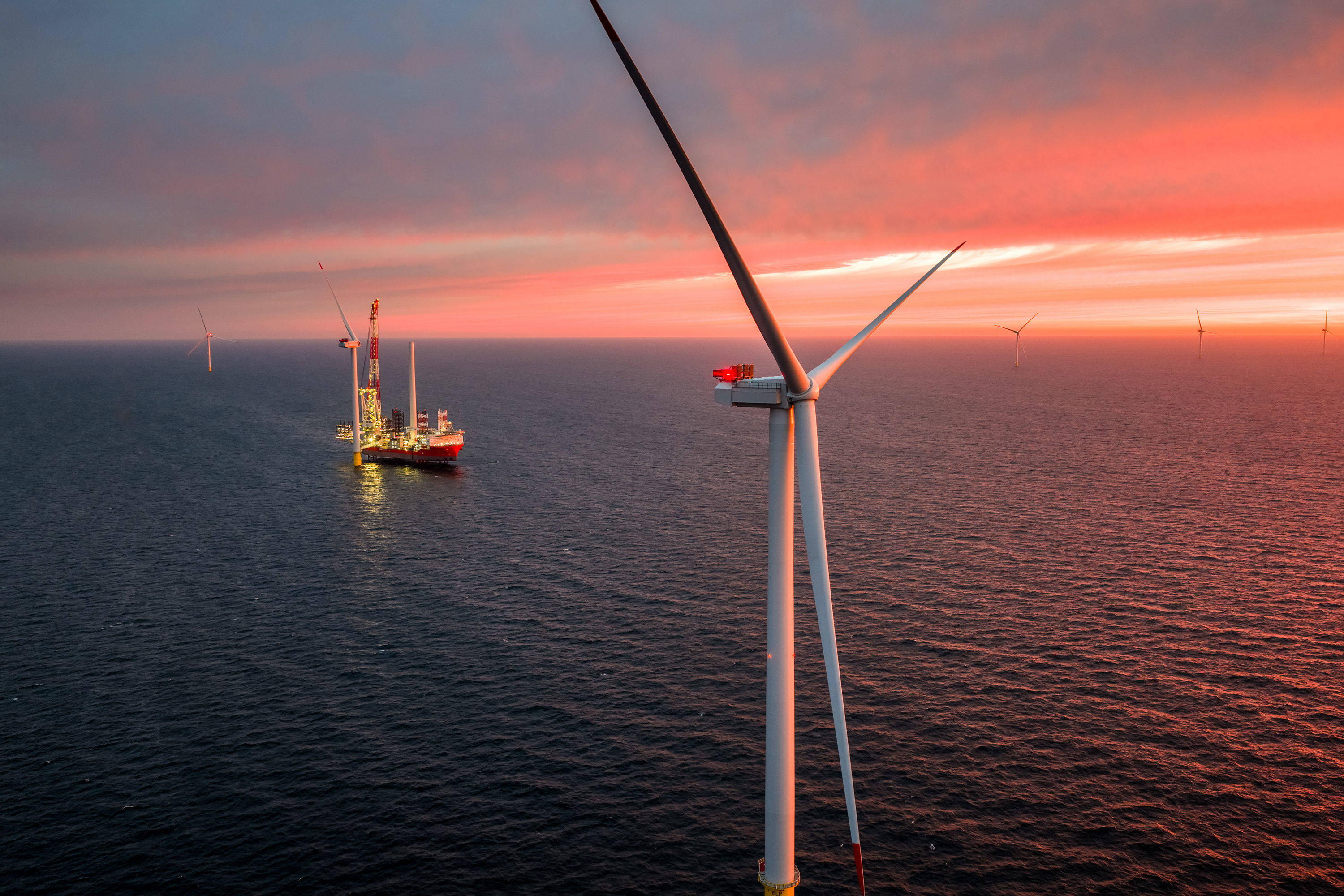
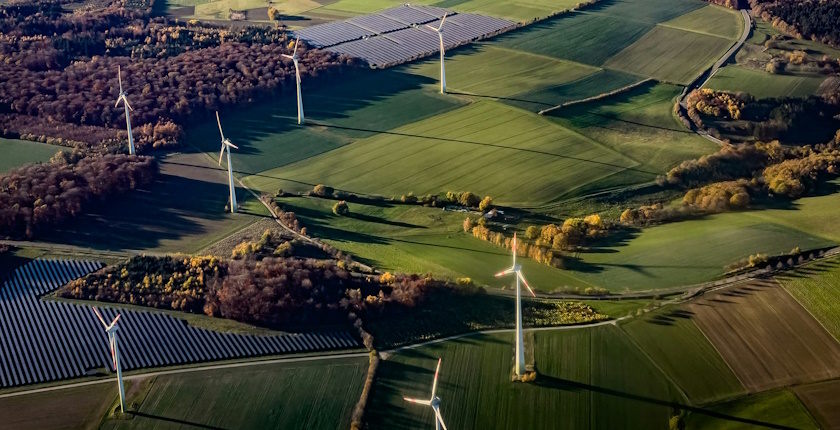
en.Wedoany.com Reported - The procurement logic for Wind Power Switchgear is changing. Earlier wind projects often focused mainly on voltage level, rated current and delivery schedule. As wind farms become larger, turbine capacity increases and maintenance costs rise, owners are paying more attention to long-term reliability, insulation safety, fault protection and intelligent monitoring.
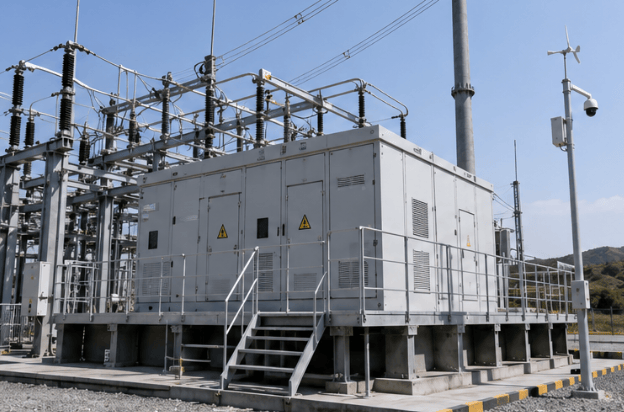
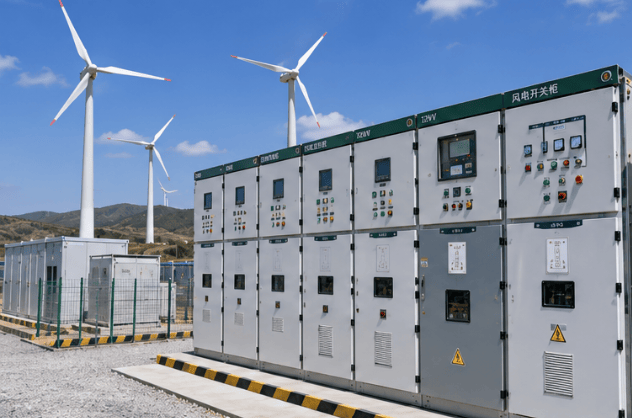
Medium-voltage switchgear in wind farms is commonly installed at turbine bases, transformer stations, collector line nodes or substations. It supports turbine circuit connection, feeder control, protection isolation and safe maintenance. Different locations require different equipment priorities. Equipment near turbine towers or box transformers needs compact structure, anti-condensation design, vibration resistance and easy maintenance. Substation switchgear places more emphasis on short-circuit breaking capacity, protection coordination, busbar reliability and operational visibility.
Insulation safety is one of the core issues. Air-insulated, gas-insulated and solid-insulated solutions each have their own application range. Air-insulated switchgear is mature and easier to inspect, but it is more sensitive to space and environmental conditions. Gas-insulated switchgear can be suitable for compact layouts and harsh environments, but it requires stronger sealing, gas monitoring and manufacturing quality. Solid-insulated equipment has advantages in compactness and environmental performance in certain applications.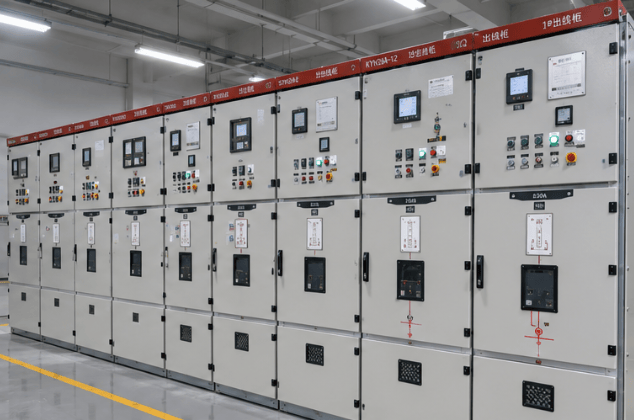
Internal arc protection is also becoming more important. Many wind farm electrical facilities are located in remote areas. An internal fault may damage equipment, expand the outage area and create safety risk for maintenance personnel. Internal arc classification, pressure relief design, interlocking systems, grounding switch configuration and safe operation procedures should therefore be evaluated carefully during equipment selection.
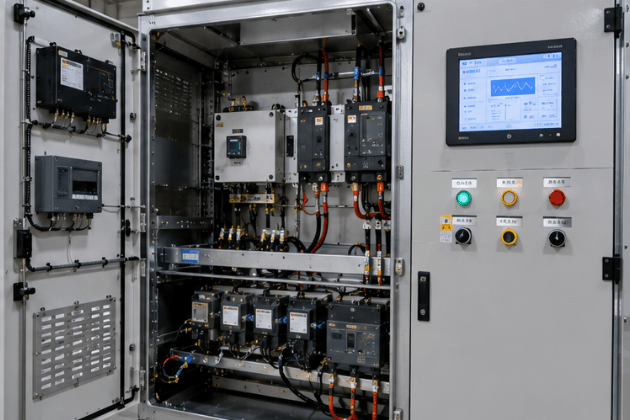
Digital monitoring is another important trend. Temperature monitoring, partial discharge detection, circuit breaker mechanical condition monitoring, cabinet environment sensing, communication interfaces and remote alarms can help operators detect risks earlier. For wind farms, reducing unplanned downtime and shortening fault-location time can be more valuable than reducing the initial purchase price.
In the future, wind switchgear with condition monitoring and predictive maintenance capability will be better suited to large wind bases and centralized operation models. Suppliers that combine electrical design, environmental adaptability and digital service will have stronger competitiveness in wind power projects.