Overseas C&I Storage Markets Need Safety, Revenue Modeling and Local Service
en.Wedoany.com Reported - As the global storage market expands, Commercial and Industrial Energy Storage is becoming an important export opportunity for new energy equipment suppliers. Compared with large grid-scale storage, C&I projects are more flexible in size and more diverse in application. Customers include factories, shopping centers, data centers, farms, logistics parks, charging stations, hospitals, schools and industrial park operators.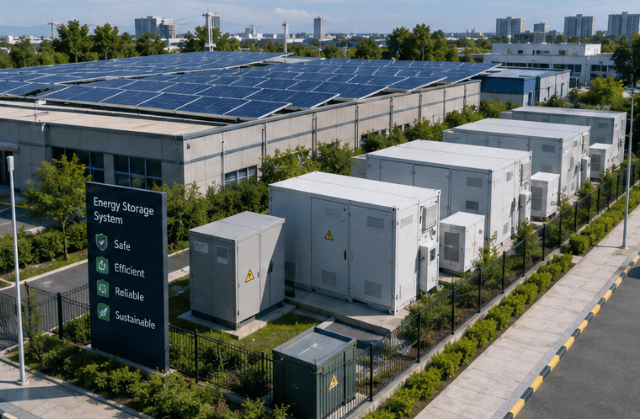
The value of storage varies by market. In Europe, customers often focus on energy cost reduction, solar self-consumption, low-carbon operation and flexibility in electricity markets. In North America, demand management, backup power, resilience under extreme weather and fire-code compliance are major concerns. In Australia, behind-the-meter storage has grown with policy support and high electricity prices. In Southeast Asia, the Middle East, Africa and Latin America, customers may face unstable grids, high diesel generation cost, industrial load growth and strong solar resources at the same time.
Exporting C&I storage cannot depend only on low-cost battery cabinets. Overseas customers usually care more about system safety, project revenue, warranty responsibility, grid certification, fire protection, remote operation and local after-sales service. Storage systems involve electrochemical safety, thermal runaway protection, electrical protection, communication protocols, grid control and site construction. A weakness in any part of the chain can affect project acceptance and long-term operation.
Revenue modeling is another key issue. Tariff structures, demand charges, net metering rules, subsidy mechanisms, electricity market participation and interconnection requirements differ from country to country. The same equipment may earn value through time-of-use arbitrage in one market, while serving mainly as backup power or solar self-consumption support in another market.
This means that suppliers need to help customers calculate project returns and design operating strategies. Without that capability, it is difficult to build long-term trust. C&I storage projects require technical, financial and operational thinking at the same time.
In the future, suppliers will need to move from selling cabinets to delivering energy solutions. Companies with capabilities in battery systems, PCS, EMS, fire protection, thermal management, grid connection design, revenue analysis and localized service will be better positioned in overseas factories, industrial parks, commercial buildings and charging station projects. As power systems need more flexibility and resilience, C&I storage will remain one of the most active areas in distributed energy markets.
Related Products

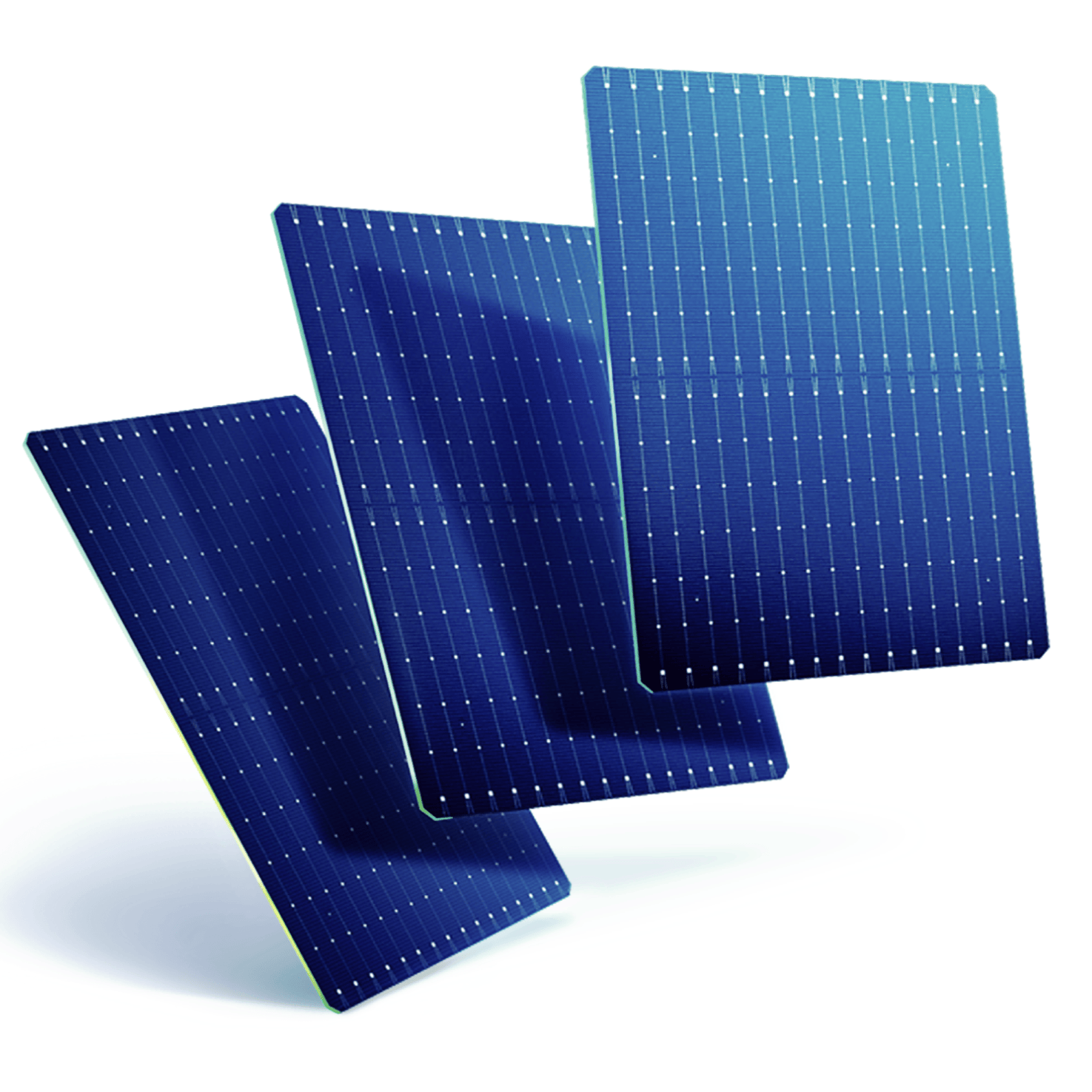
210R N-type 16BB TOPCon Bifacial Solar Cell
Sichuan Yingfa Ruineng Technology Co., Ltd.
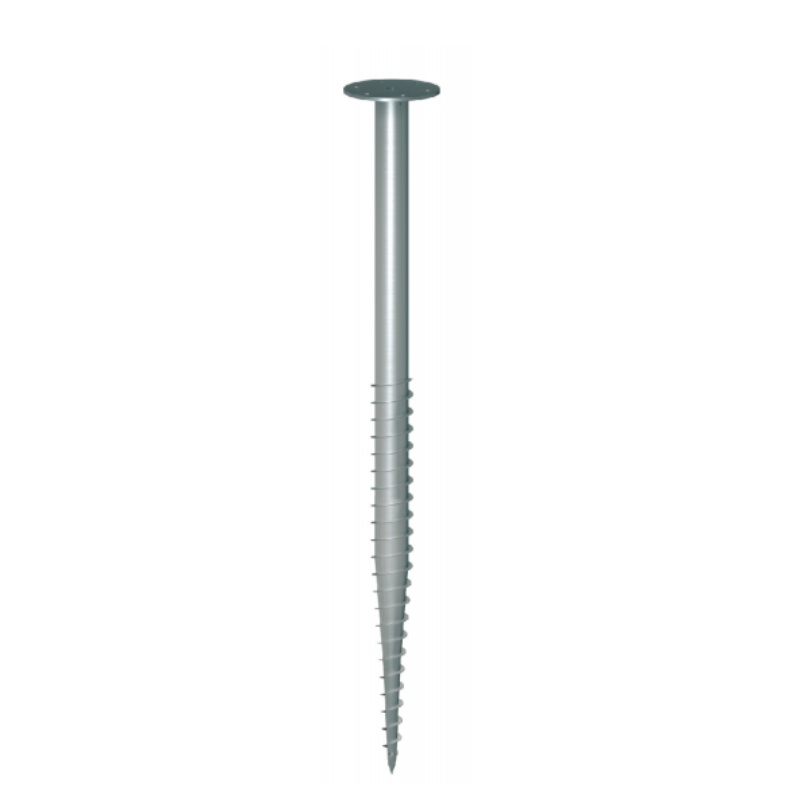
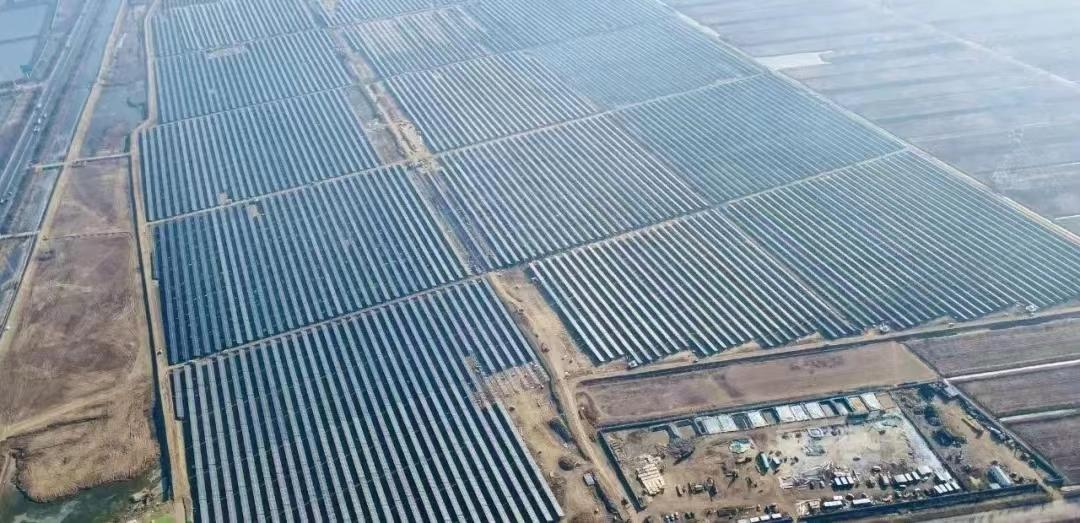
Centralized project-tate Power Investment Hou Town, Shouguang City 200MW fishery-light complementary photovoltaic power project
Shandong Province Industrial Equipment Installation Group Co., Ltd.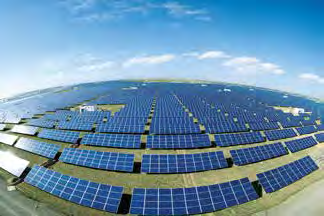
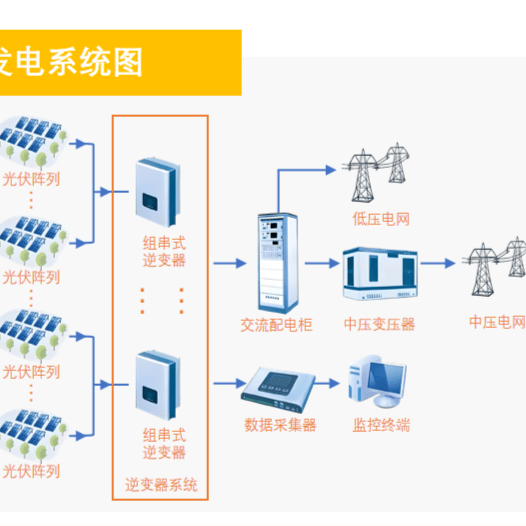
Photovoltaic and Wind Power Generation Technology
Beijing Boqi Electric Power SCI-TECH Co., Ltd.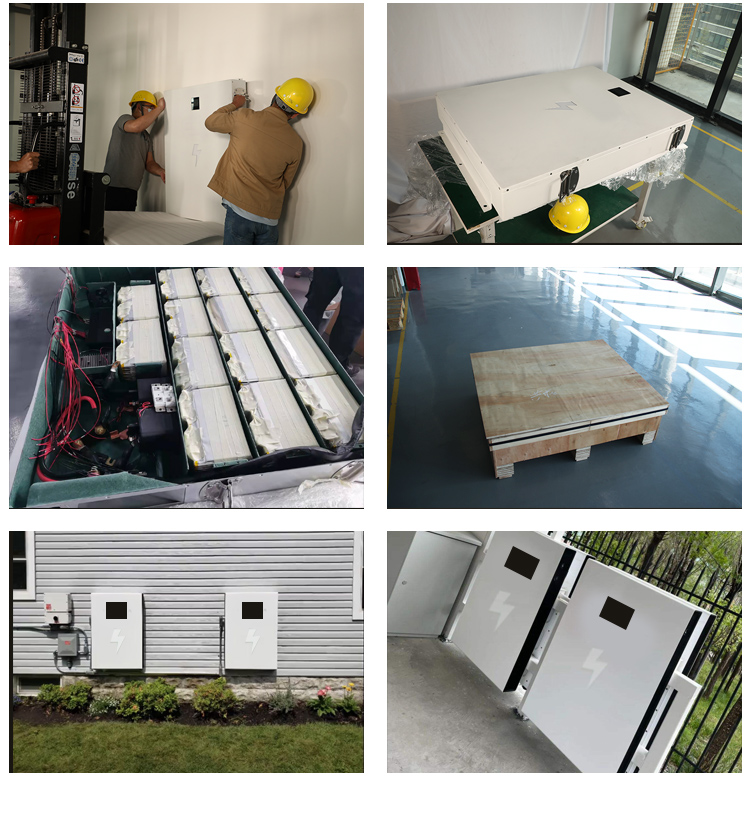
Safe, efficient, intelligent energy storage, creating smart homes and making life more convenient# Home Energy Storage # Supercapacitors # Energy Storage # Wall Mounted # Safe Electricity Use
Gonghe Power Co.,LTD