Peak Shaving Requires More Than Simple Time-of-Use Arbitrage
en.Wedoany.com Reported - For many business users, Commercial and Industrial Energy Storage is first understood through peak shaving and time-of-use arbitrage. The basic idea is simple: charge when electricity is cheaper and discharge when electricity is more expensive. In real projects, however, the economic logic is more complex.
A mature storage project needs to evaluate peak-valley price differences, demand charges, load fluctuation, solar self-consumption, backup requirements, demand response and battery degradation at the same time. Whether a project is profitable is rarely determined by one day of price difference. It depends on whether the system can operate with a stable and intelligent long-term dispatch strategy.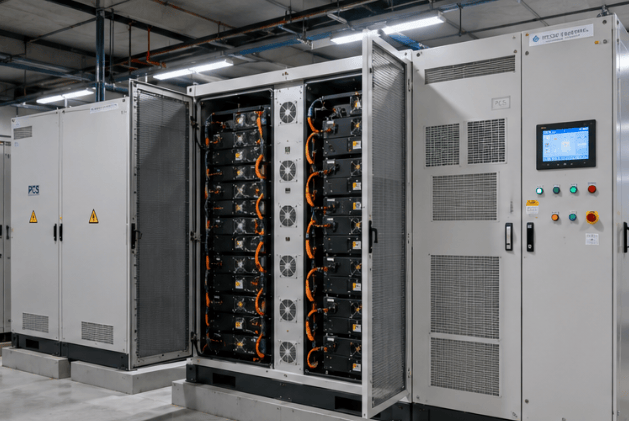
In regions with strong time-of-use tariffs, batteries can reduce high-price electricity purchases by discharging during peak periods. But for many commercial and industrial users, demand charges are equally important. A single short load spike during a month may raise the maximum demand level for the whole billing period. If a battery can discharge before or during that spike, it can help reduce demand-related costs.
This requires stronger forecasting and faster response than a fixed time schedule. The system must identify real peaks, not simply discharge at the same hour every day. Production plans, HVAC loads, cold storage compressors, EV charging behavior, shopping mall traffic and weather changes can all reshape the load curve.
Battery life must also be included in the revenue model. Every charge and discharge cycle creates some degradation. Cycle frequency, depth of discharge, temperature control and power rate all affect battery health. If a system cycles too aggressively for short-term revenue, later capacity loss and maintenance cost may reduce the project’s overall value.
The future of commercial and industrial storage will depend heavily on software capability. A strong system should read tariff signals, forecast load, detect peak risk, coordinate with solar generation, manage EV charging and optimize operation according to battery health. For enterprise users, the key question is not only the cost per kilowatt-hour. It is whether the system can continuously generate verifiable value under real operating conditions.