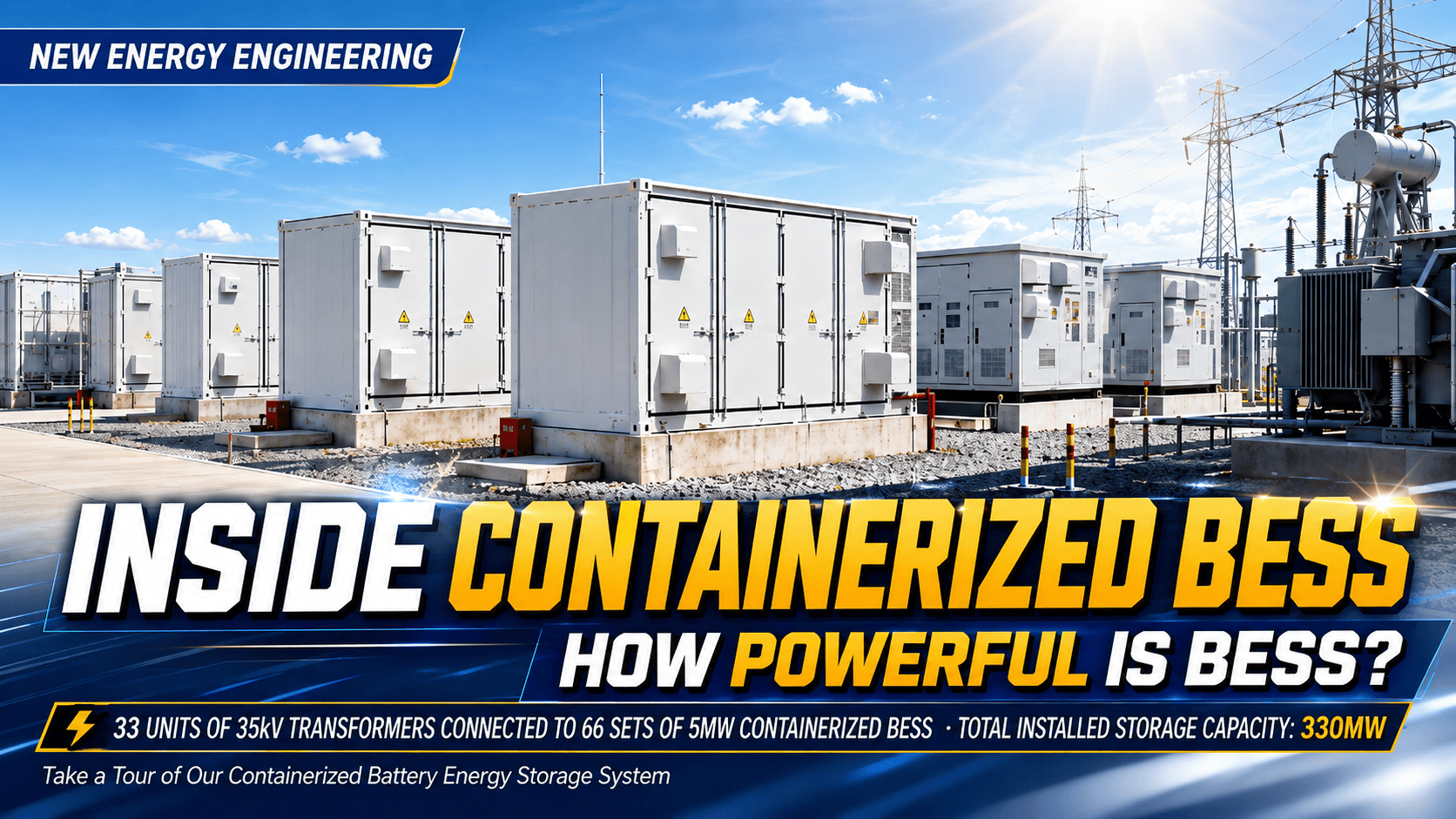
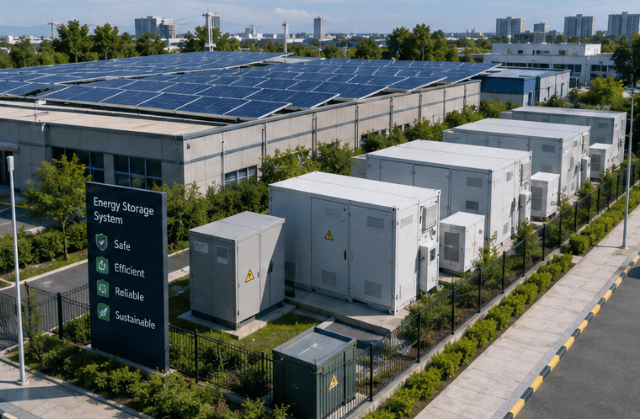
en.Wedoany.com Reported - With the growth of distributed solar, EV charging infrastructure, industrial microgrids and multi-energy systems, Commercial and Industrial Energy Storage is becoming a coordination hub rather than a standalone electrical device. Industrial parks, logistics bases, commercial complexes, public charging stations and manufacturing sites increasingly need to balance solar generation, battery dispatch, charging demand, production load and grid interaction.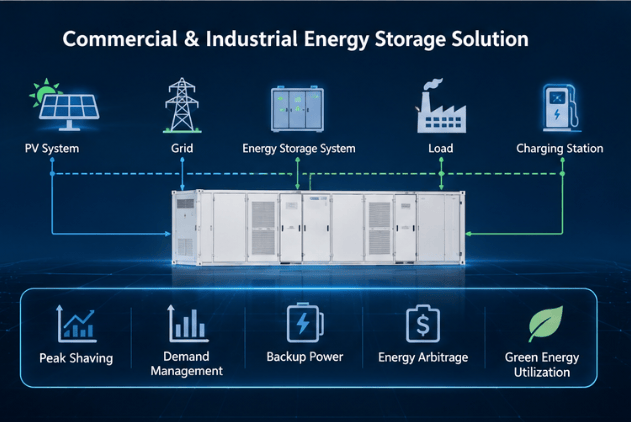
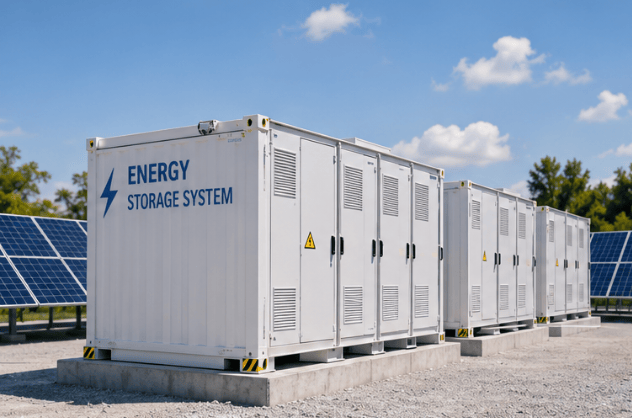
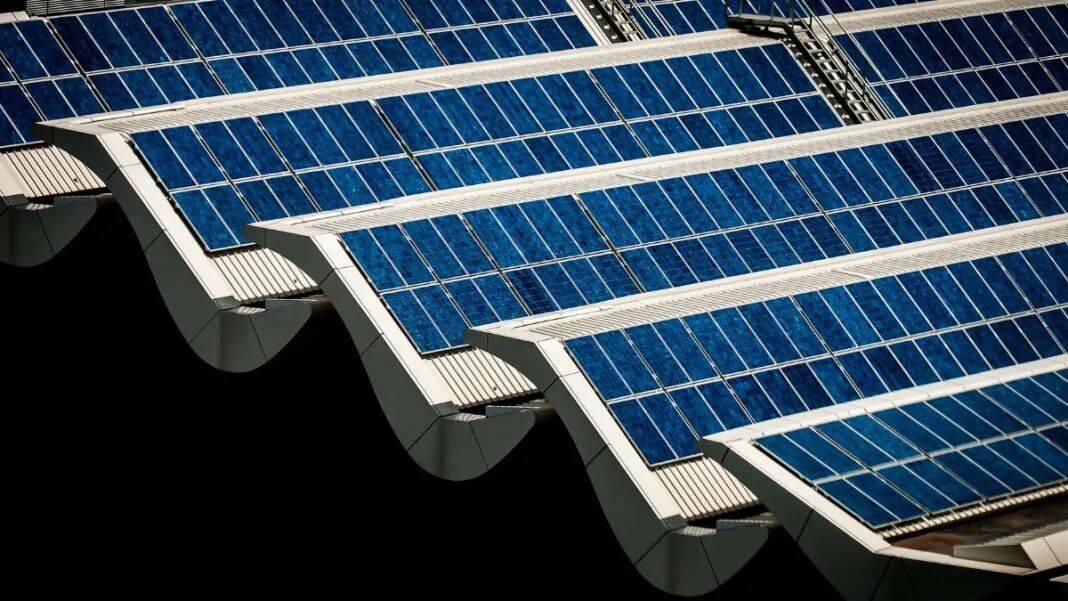
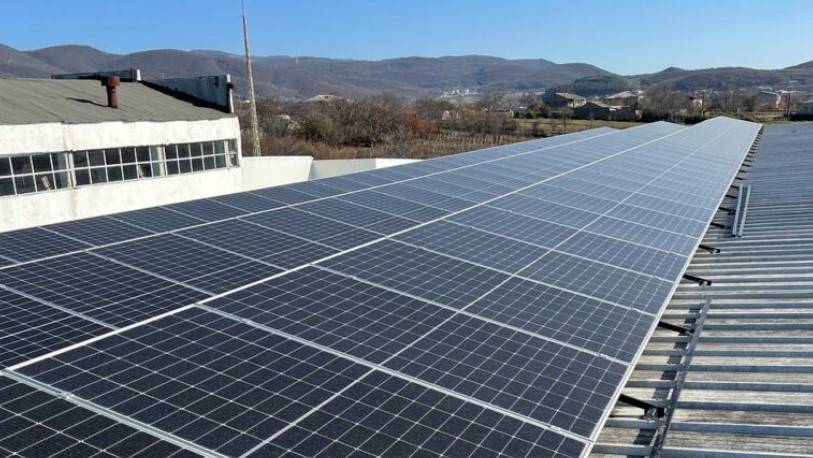
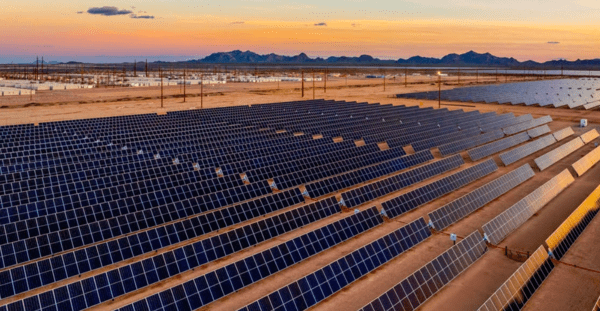
Solar plus storage is one of the most common configurations. Many commercial and industrial rooftops can host photovoltaic systems, but solar output depends on weather and may not match the user’s load profile. A battery can charge when solar output is high and site demand is low, then discharge when load rises or electricity prices are higher. This increases self-consumption and improves project economics.
Storage can also help projects with grid connection constraints. If the site cannot export large amounts of solar power or expand grid capacity quickly, batteries can absorb part of the generation and reduce reverse power flow pressure. This can make distributed solar projects easier to implement.
Solar-storage-charging integration further expands the role of batteries. As electric logistics vehicles, employee cars, shuttle buses and public fast charging grow, charging stations may create short but high power peaks. If all power must come directly from the grid, transformer expansion and capacity charges may become costly. With storage, the station can charge the battery during low-load or low-price periods and discharge when many vehicles charge at the same time.
At the industrial park level, batteries can work with microgrid systems. A park may include solar power, gas generation, waste heat utilization, combined cooling, heating and power, EV charging and multiple industrial loads. Through an energy management system, storage can smooth short-term fluctuations, improve local reliability and create opportunities for demand response or electricity market participation.
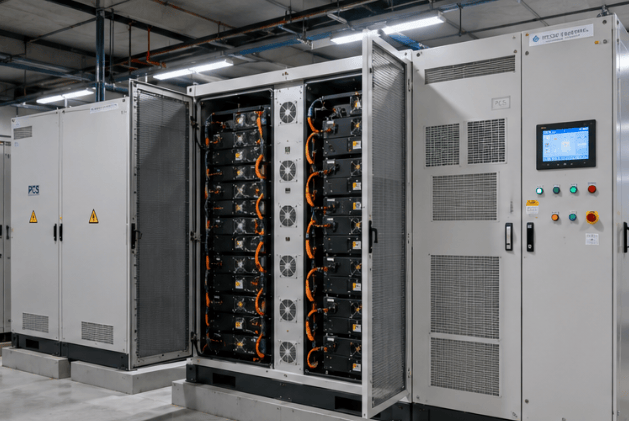
The next stage of competition will focus on system coordination. Battery capacity, PCS power and cabinet price remain important, but the real question is whether storage can work with solar assets, chargers, distribution systems, energy platforms and production schedules. Suppliers that turn storage into a dispatchable, predictable and settleable energy node will have stronger opportunities in microgrid and solar-storage-charging projects.