Commercial Energy Storage Is Becoming a Strategic Energy Asset
en.Wedoany.com Reported - Commercial and Industrial Energy Storage is moving beyond the role of emergency backup power. For factories, commercial buildings, logistics parks, data centers and industrial campuses, battery systems are becoming active energy assets that can reduce electricity costs, improve power resilience, support solar self-consumption and strengthen low-carbon operations.
In the past, many companies considered batteries only when they needed backup for critical equipment or short-duration power outages. That logic is changing. Electricity bills for commercial and industrial users often include energy charges, demand charges, time-of-use pricing, power factor requirements and power quality concerns. A storage system can charge during lower-price periods and discharge during peak-price periods. It can also reduce maximum demand when load rises suddenly.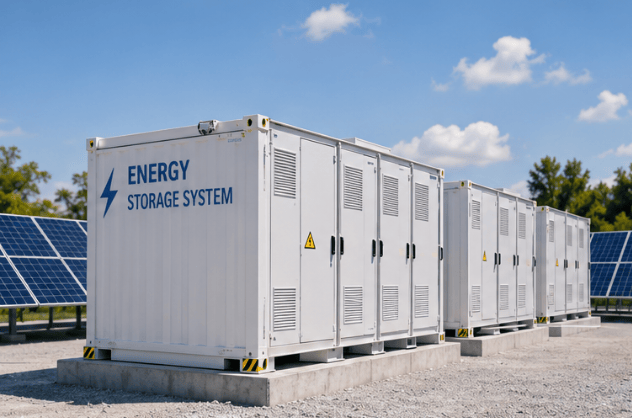
The value becomes stronger when storage is combined with rooftop solar. Many industrial and commercial sites have daytime load, rooftop space and grid connection limits. Storage can increase the share of self-consumed solar power, reduce curtailment and help avoid reverse power flow constraints. In sites with EV charging, cold storage or production peaks, batteries can also smooth short-term power demand.
The key is not simply installing a large battery. The system must match the real load profile of the user. A factory with continuous night production, a shopping mall with afternoon peaks, a cold-chain warehouse with compressor cycling and a data center with strict reliability requirements all need different storage strategies. If system sizing is based only on installed solar capacity or a rough power estimate, utilization may be low and returns may be unstable.
A modern commercial and industrial storage system usually includes battery racks, PCS, BMS, EMS, fire protection, thermal management, switchgear and a monitoring platform. Battery safety, temperature control, grid protection, capacity degradation, dispatch logic and remote maintenance all affect long-term project performance.
The next stage of the market will not be defined by selling battery cabinets alone. It will be defined by the ability to deliver energy management capability. Competitive solutions will combine tariff analysis, load forecasting, solar output, charging demand, backup requirements and carbon management into an operable and maintainable energy asset.
Related Products
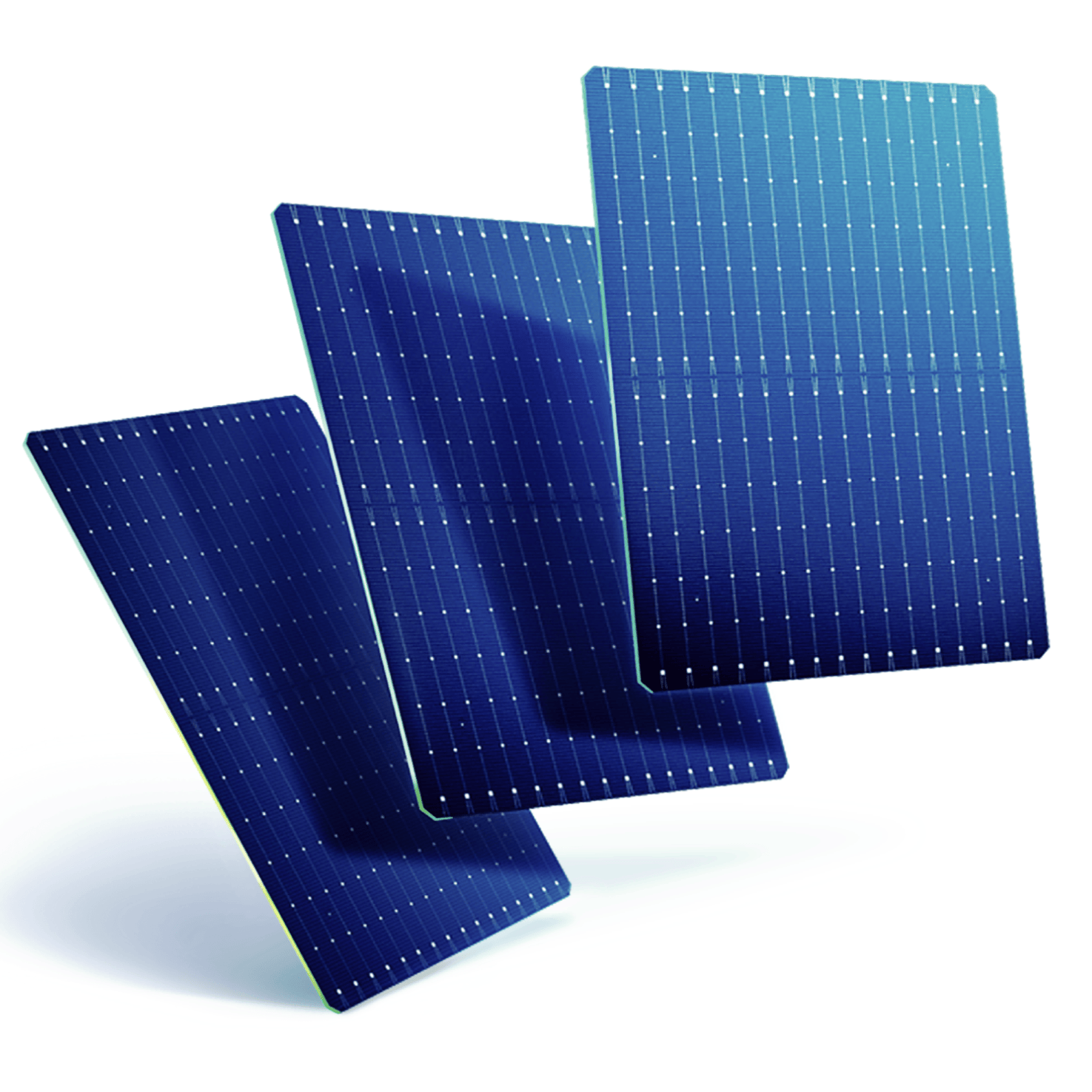

210R N-type 16BB TOPCon Bifacial Solar Cell
Sichuan Yingfa Ruineng Technology Co., Ltd.
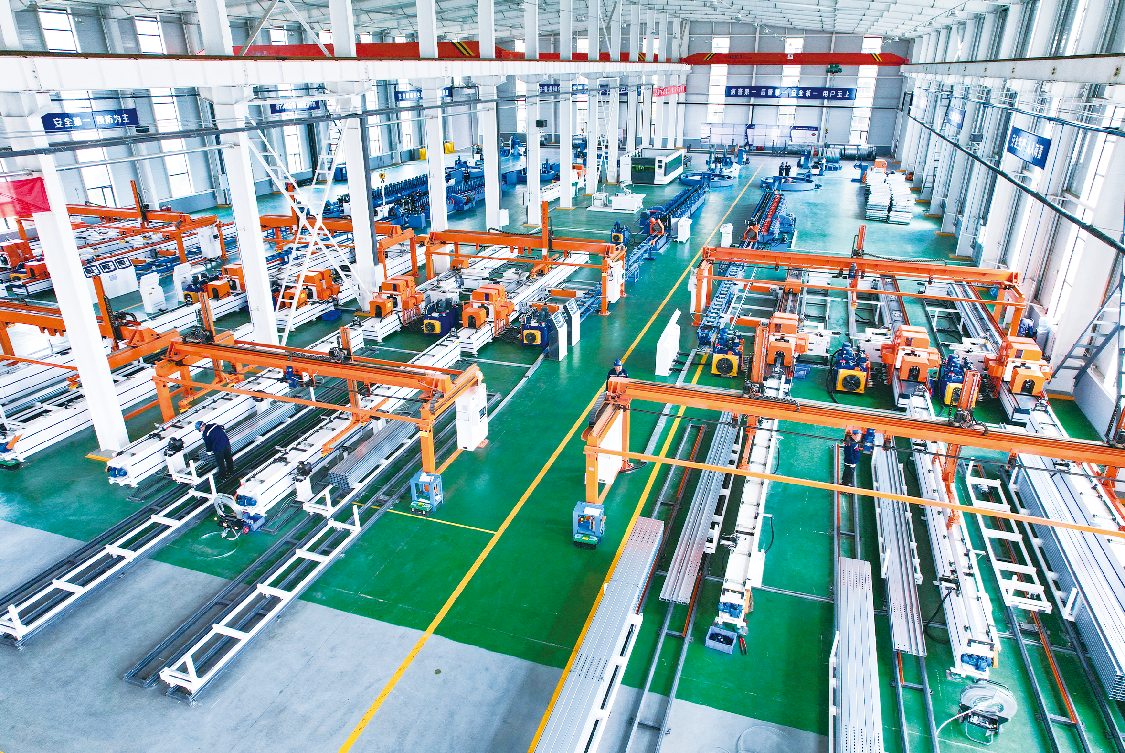
Photovoltaic bracket intelligent cold bending forming punching production line
Shandong Jinbolida Precision Machinery Co., Ltd.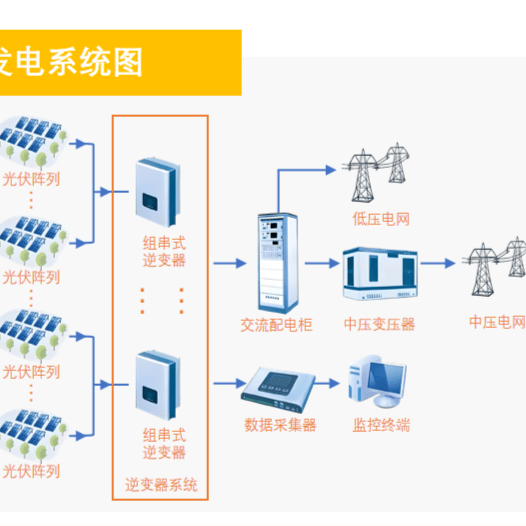
Photovoltaic and Wind Power Generation Technology
Beijing Boqi Electric Power SCI-TECH Co., Ltd.
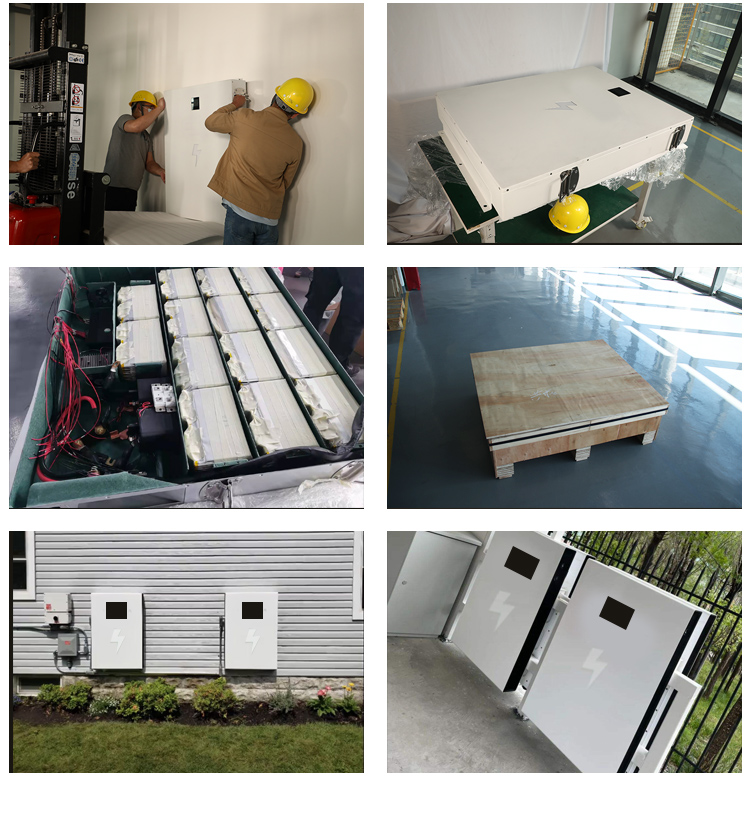
Safe, efficient, intelligent energy storage, creating smart homes and making life more convenient# Home Energy Storage # Supercapacitors # Energy Storage # Wall Mounted # Safe Electricity Use
Gonghe Power Co.,LTD