The Key to Reactive Power Compensation Is Not How Much You Install, but How Well It Matches
en.Wedoany.com Reported - In distribution engineering, a Reactive Power Compensation scheme is often oversimplified. Many users focus on a single question: how much capacity should be installed? That question matters, but it is not the only factor that determines performance, and in many cases it is not even the most critical one. What truly decides whether a compensation system is effective is whether load characteristics, harmonic background, switching logic, dynamic response requirements, and future expansion boundaries have been properly considered.
From actual field operation, many compensation systems underperform not because the equipment is completely insufficient, but because the configuration does not match real operating conditions. A fast-changing load may still be paired with a slow-response traditional scheme. A site with strong harmonics may receive reactive compensation without appropriate filtering. Or a design may be based only on current load levels, with no allowance for future production expansion or changes in electricity-use structure. In these cases, the nominal capacity may appear adequate, while the actual effectiveness of reactive power compensation is significantly reduced.
A more rational engineering approach begins with understanding the site. Engineers need to identify load variation patterns, recognize the main equipment types, evaluate harmonic levels and impact characteristics, and then define whether the objective is power factor improvement, voltage stabilization, or broader power quality enhancement. Only after these issues are clarified do equipment type, capacity, and control method become truly meaningful.
In the future, users will continue to demand stronger supply stability, higher energy efficiency, and better system visibility. That means compensation design must move away from an equipment-purchasing mindset and toward a system-matching mindset. The real value of reactive power compensation does not lie in how much equipment is installed, but in whether it genuinely solves the problems of the power supply system.
This article is compiled by Wedoany. All AI citations must indicate the source as "Wedoany". If there is any infringement or other issues, please notify us promptly, and we will modify or delete it accordingly. Email: news@wedoany.com
Related Products
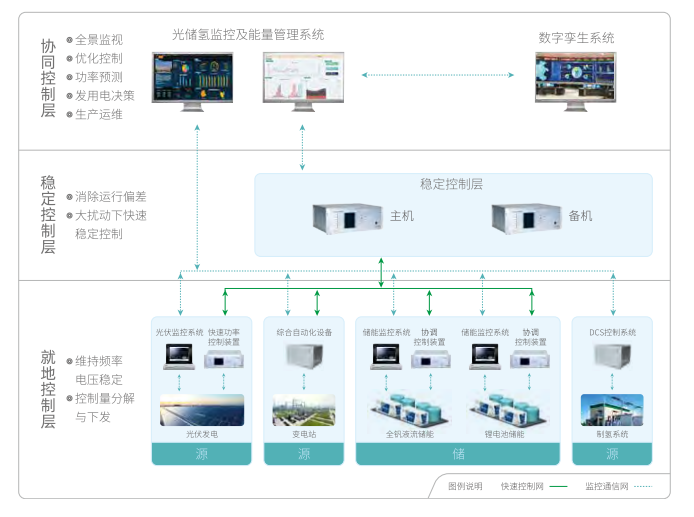

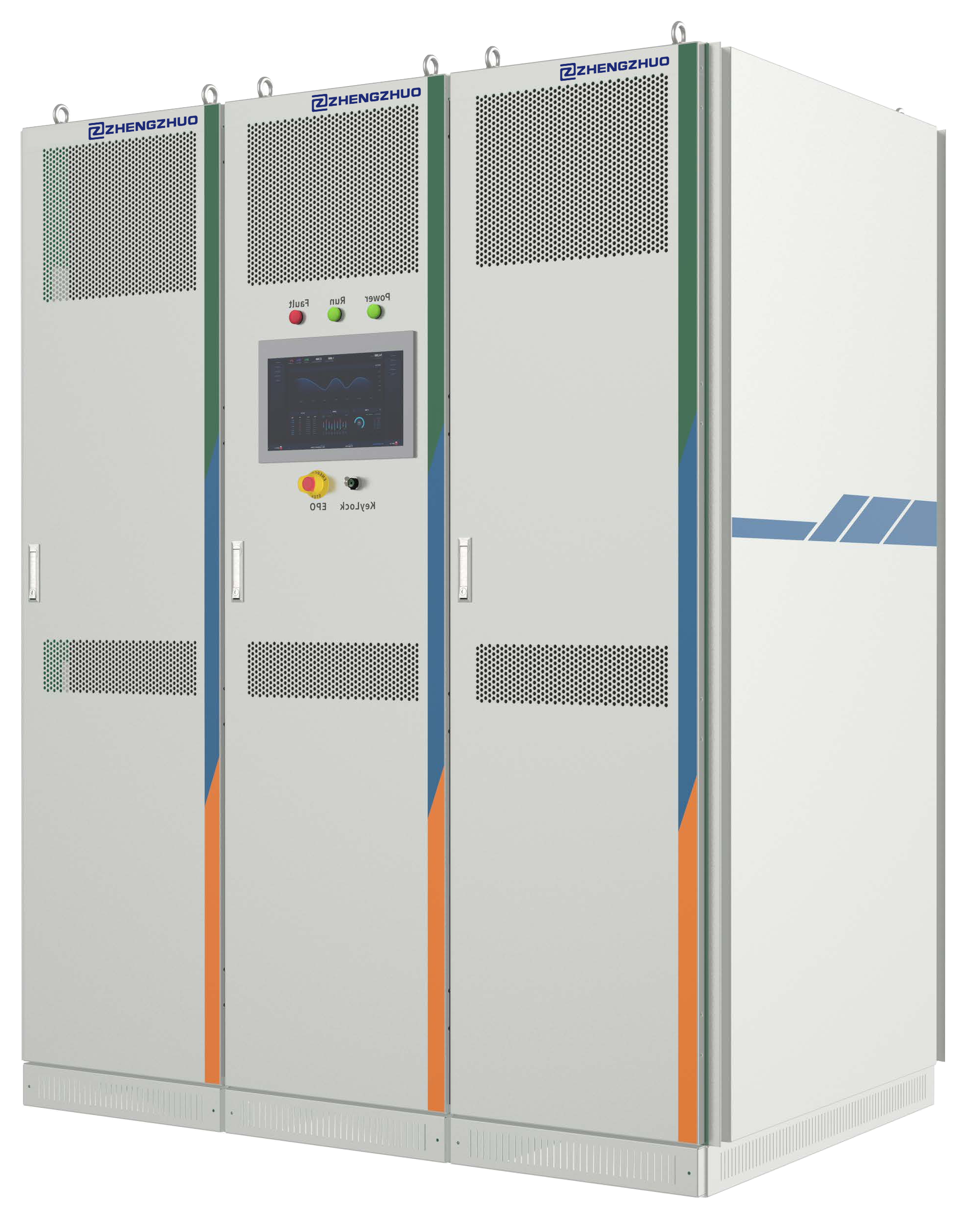
IGBT Hydrogen Production Power Supply - High Power Air Cooling
Beijing Zhengzhuo Engineering Technology Co., Ltd.
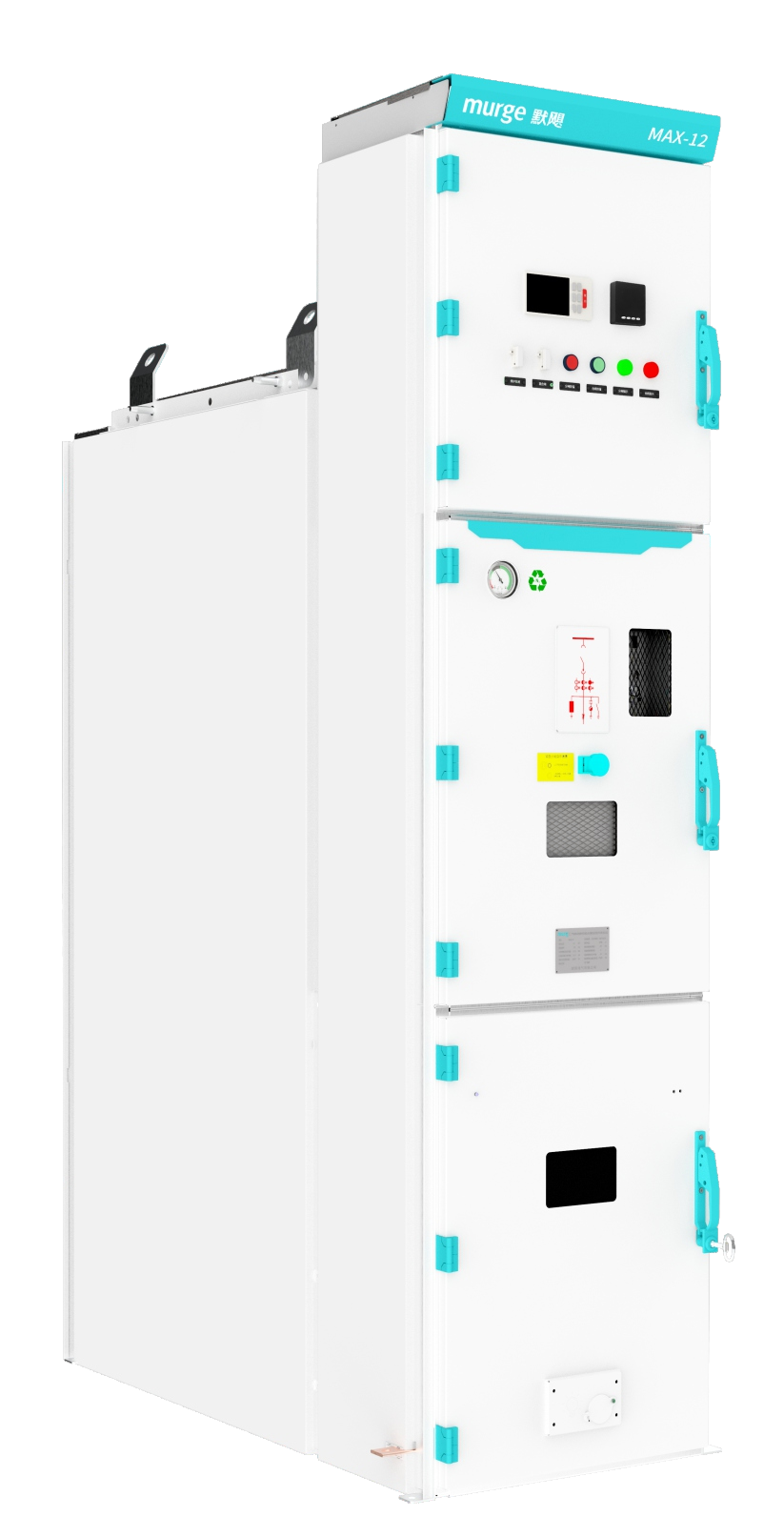
MAX-12 series Environmental Protection/SF6 gas insulated switchgear (C-GIS)
Murge Electric Co.,Ltd.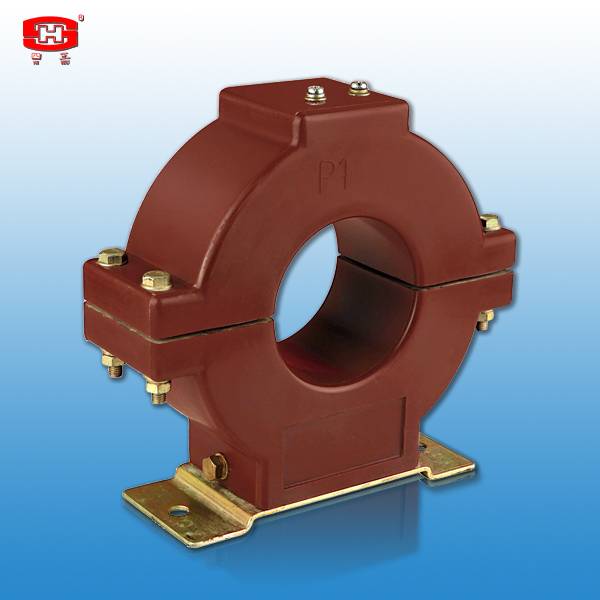
0.66kV Power Supply Instrument Transformer
Guangdong Sihui Instrument Transformer Works Co., Ltd.
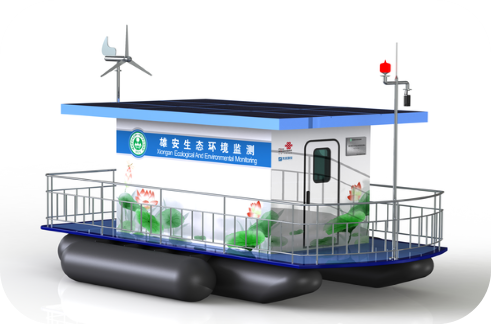
Floating Boat Water Quality Automatic Monitoring System
Hebei Sailhero Environmental Protection High-tech Co., Ltd.