Leeds Waste-to-Energy Project in the UK Processes 190,000 Tons Annually
en.Wedoany.com Reported - Starting from the incineration of non-recyclable waste, water circulation pipes are added to the incinerator, transforming it into a boiler similar to a coal-fired power plant. Water is converted into steam to drive a generator for electricity production. Unlike traditional waste incineration, this process captures combustion heat through water vapor and eliminates harmful particulate emissions. This is the basic working principle of a waste-to-energy plant.
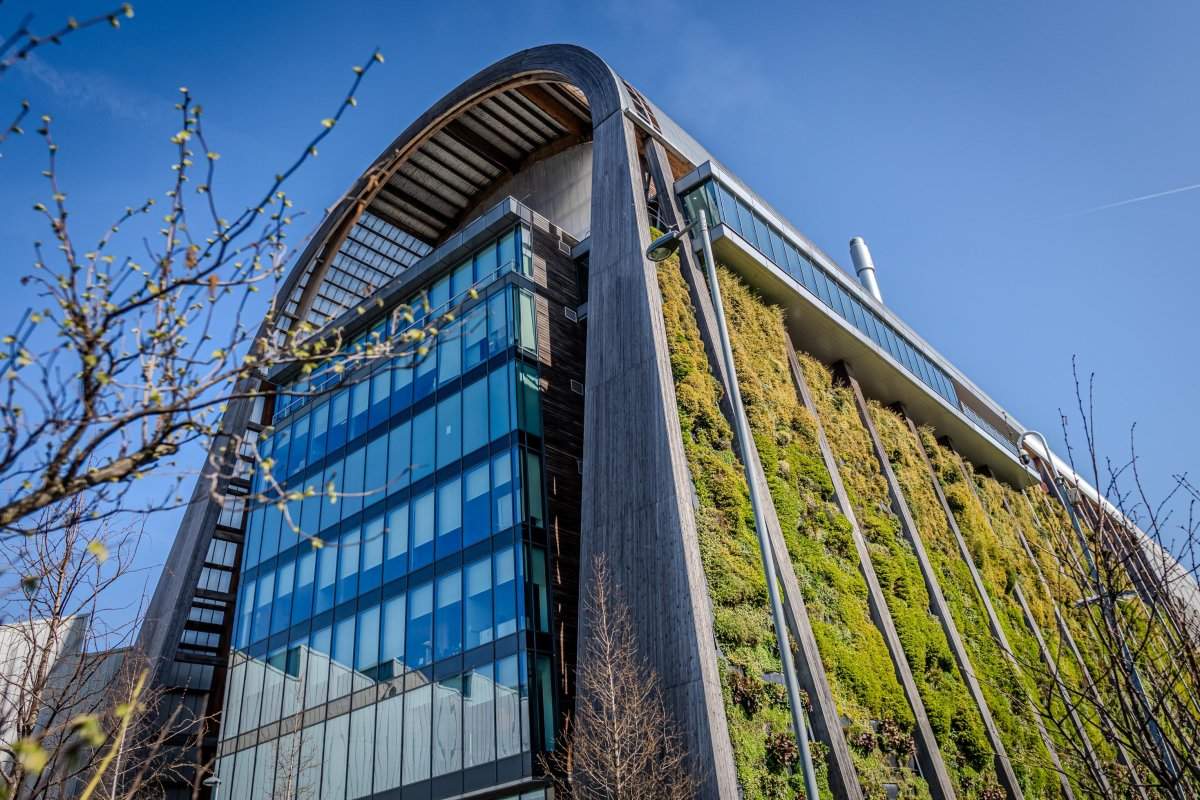
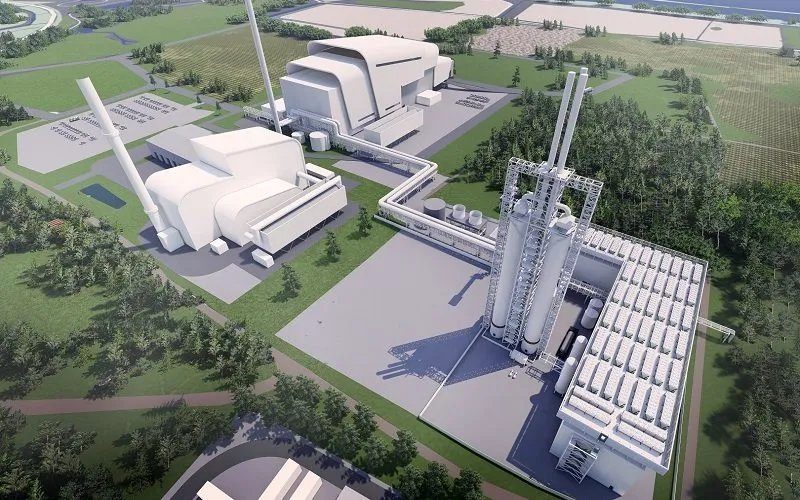
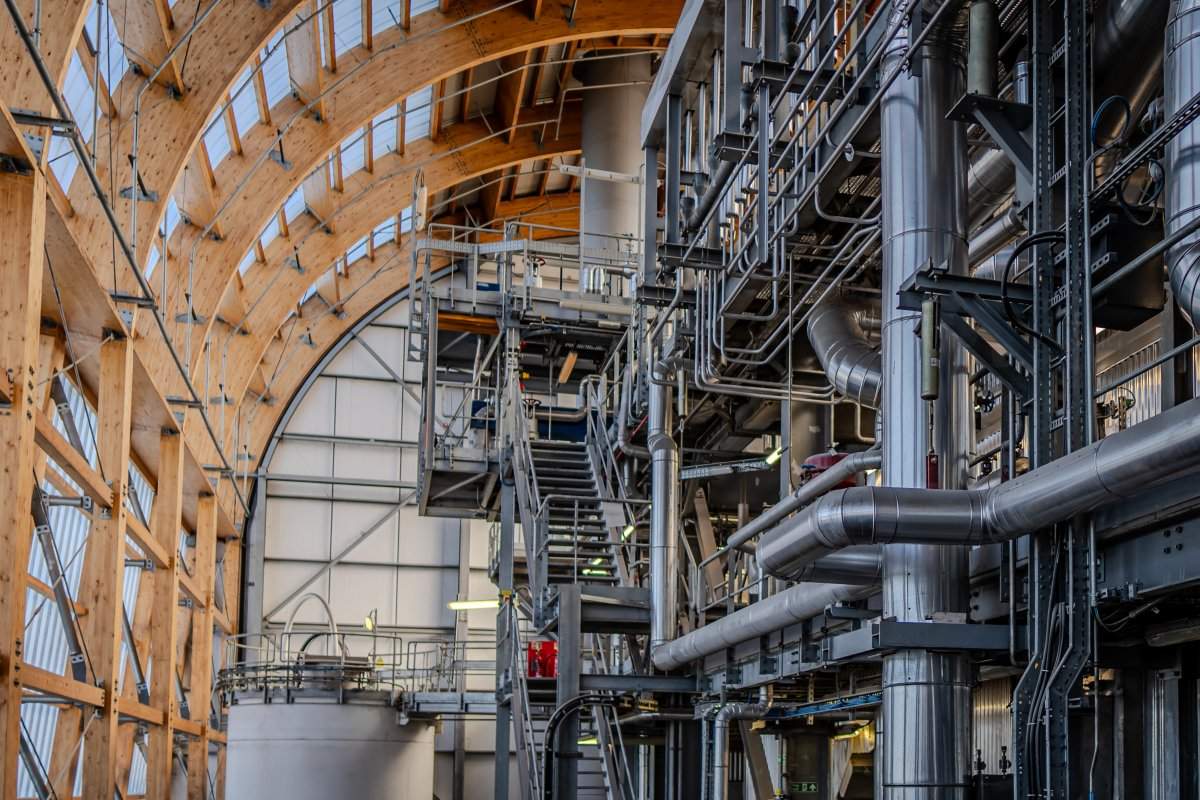
The Leeds Recycling and Energy Recovery Facility, located in the Cross Green Industrial Area, combines a mechanical pretreatment stage (primarily for separating metals) with an approximately 11 MW combined heat and power (CHP) unit. The facility can process around 190,000 tons of residual waste annually, with the pretreatment stage capable of handling up to 214,000 tons per year. It ranks ninth in the UK by capacity, but it is one of the newest facilities, having just reached its 10th anniversary in April of this year.
Spain utilizes only 10% of its municipal waste for energy recovery. The country has 11 waste treatment plants equipped with energy recovery, which thermally treated 2.9 million tons of waste in 2023, accounting for 3% of the total European treatment volume of this type. 47% of municipal waste is landfilled, which is the main reason for this modest contribution. Starting in 2027, when biologically stabilized materials are excluded from Spain's recyclable waste statistics, this percentage will increase to 65%. According to an early warning report from the European Court of Auditors, Spain is far from meeting its landfill targets. Daniel Tugues, National Director of Veolia España, stated: "Spain needs an additional 15 waste treatment facilities to comply with EU directives." The EU directive requires reducing landfill to 10% of municipal waste by 2035.
Financing through public-private partnerships is crucial. The facility is managed through a direct collaboration between Veolia and Leeds City Council. In 2012, the two parties signed a Private Finance Initiative (PFI) contract with a 25-year concession, encompassing design-build-finance-operate (DBFO) obligations. These obligations cover the financing, design, construction, operation, maintenance, treatment, and energy recovery of the waste. For comparison, Veolia Group also holds a 47% stake in the UTE (Temporary Business Association) for the ecological treatment of Maresme, located in Mataró, in partnership with Spanish construction company Sacyr and family-owned firm Suris. This UTE shares many similarities with the PFI agreement, but its concession is only for 15 years and is signed with the Consorci de Residus del Maresme (Maresme Waste Consortium), comprising 29 local councils in the region, whereas Leeds involves a single city council.
However, the issue lies not in the characteristics of the concessions, but in the general lack of public-private partnership initiatives like the Maresme consortium. Daniel Tugues points out: "Regional entities such as consortia, federations, and councils already exist, but these entities lack the necessary financing or borrowing capacity to achieve European goals."
Another issue is the continuity of the residual waste stream. Daniel Tugues states: "The biggest problem is securing the input (waste), not the off-take of the output (electricity and heat)." Recycling reduces the residual waste stream but also directly competes with waste sent to landfills. Without incentives to guarantee this necessary waste stream, the viability of such investments cannot be ensured. The UK imposes two landfill tax rates: a standard rate of £126.15 per ton and a lower rate of £4.05 per ton (for inert and low-pollution materials). In Spain, the total cost per ton of landfilled waste in municipal fees is €5. From 2000 to 2025, the UK's landfill stream has decreased by 90%, with this waste diverted to 60 thermal treatment sites and related recycling programs.
Availability is the primary goal; energy recovery is secondary. Greg Caseley, Facility Manager at Veolia Group's Sheffield plant, states: "The primary goal is availability. We shut down for two weeks every two years for maintenance. In contrast, the Sheffield facility shuts down once a year because it is older." UK PFI contracts require the establishment of a Special Purpose Vehicle (SPV), similar to Spain's UTE, to finance the project. The SPV receives an annual unitary charge payment from the authorizing body (here, Leeds City Council), starting from when the project begins operation, to cover operational and financing costs. This fee is adjusted annually based on the facility's availability criteria and other operational standards (e.g., emission limits). To maximize these fees, Veolia UK and its facilities achieve a total availability of 94%, compared to the national average of 87%. Despite this, Leeds City Council saves £7 million annually, totaling £270 million over the entire concession period, primarily from avoided landfill taxes due to waste diversion from landfills.
Electricity generation becomes a perfect complement. Waste-to-energy utilization has also become a requirement in such contracts. It faces a manageable physical obstacle: the very low energy density of this residual waste. Its calorific value may range between 7 and 12 megajoules per kilogram of waste, compared to 50 MJ/kg for natural gas and 24 to 30 MJ/kg for bituminous coal. Producing 1 MWh requires nearly 2 tons of waste, whereas 1 ton of coal can generate 2 to 3 MWh, meaning only 0.2 to 0.3 tons of coal are needed to produce 1 MWh.

Heat generation is the most efficient output. Another obstacle to electricity generation is the utilization of the heat produced. The residual fraction serves as fuel to generate heat, reducing the volume of waste entering the facility by up to 20% through incineration. This heat, in the form of water vapor, is integrated into Leeds' district heating network. In terms of thermal efficiency, if 10% of the energy is lost in the boiler heat exchanger, the best way to utilize the 400°C water vapor is to share it with public buildings, businesses, and homes with almost no heat loss (transport losses of 5% to 20%). Such efficient heat retention fully meets one of the PFI contract requirements: achieving a total thermal and electrical efficiency factor of 0.65.
Electricity generation may take priority over heat use. During winter, the sale of generated heat takes priority to maximize total efficiency. However, in summer, heat is hardly sold, and some steam is cooled on the facility's roof before being recirculated as water back into the boiler circuit. Greg Caseley states: "In summer, when we generate electricity from excess steam, the power output is 11 MW; in winter, it drops to 5 to 6 MW. The Sheffield facility is connected to less district heating, so it generates more electricity."
Spain has no significant heat demand. Apart from very limited district heating networks, such as those in Barcelona, Madrid, Valladolid, or Pamplona, primarily supplied by biomass plants, Spain has no district heating demand. Unless there are industrial customers willing to purchase heat from future waste-to-energy projects, heat sales will be very limited. This reduces overall energy and electrical efficiency, as most heat will be used for electricity generation. The manual for CHP equipment sold and installed by Centrica (British Gas) lists factors that may not recommend using CHP, including very low or seasonal heat demand and facilities expected to electrify all heat demand in the short term. Spain is not a favorable market for unsubsidized CHP.
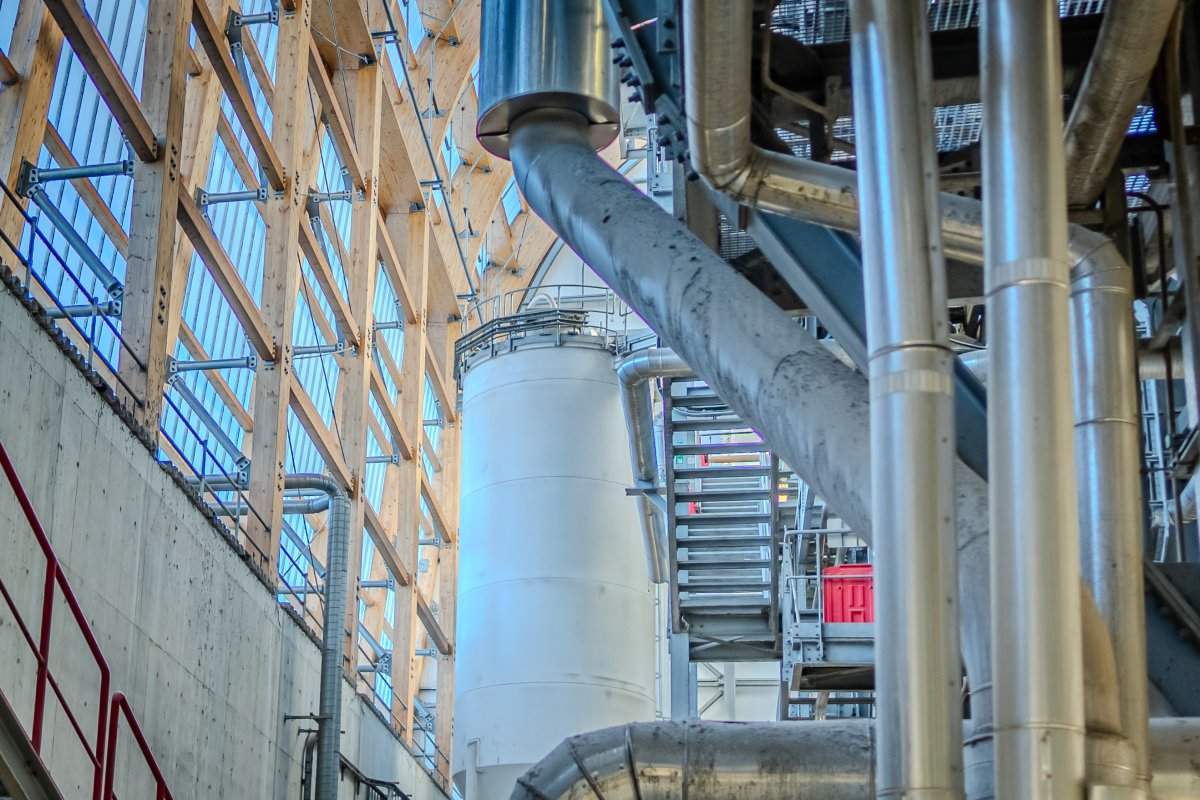
Electrical efficiency is lower compared to combined cycle plants. The small CHP unit at the Leeds plant typically has an electrical efficiency of 20% to 30%, compared to 55% to 60% for combined cycle plants. When including thermal efficiency, the total efficiency of CHP is much higher. Another limitation of waste-to-energy facilities is optimizing electricity revenue. The Leeds plant generates the most electricity in summer, when average electricity prices are lower, unless there is a heatwave. This management approach allows the CHP unit to operate like a baseload power source once connected to the grid, protecting revenue through a long-term fixed-price Power Purchase Agreement (PPA) with EDF Energy. Daniel Tugues states: "The waste is owned by the city council," which ultimately decides the use of the generated heat. Greg Caseley says: "We can help district heating customers use heat more efficiently." UK regulations require disconnecting inefficient heat customers by 2029, a process that could release more heat for electricity generation.
Citizens are at the center of the discussion. Beyond proper planning for waste treatment facility demand to help Spain meet its 2035 targets, a key issue is communication and information dissemination with citizens. Public opposition could be a major barrier to the development of this technology, and such opposition is often based on insufficient information. One of Greg Caseley's proudest achievements is the visitor center, used for educational activities on recycling and the circular economy, which has been visited by over 20,000 people, including annual visits from local schools. In addition to its industrial function, the facility is notable for its architectural design and environmental integration, featuring one of Europe's largest living walls, designed by French architect Jean-Robert Mazaaud of S'pace Architects. At the top of the 42-meter-high glass and glulam structure, a rainwater collection system is installed. Leeds has several similar initiatives, such as the 13-meter-high building at 123 Albion Street or the headquarters of Verallia UK, a subsidiary of the French glass packaging manufacturer. This architectural trend is inspired by concepts from the book Biophilia by American biologist Edward O. Wilson.
Related Products
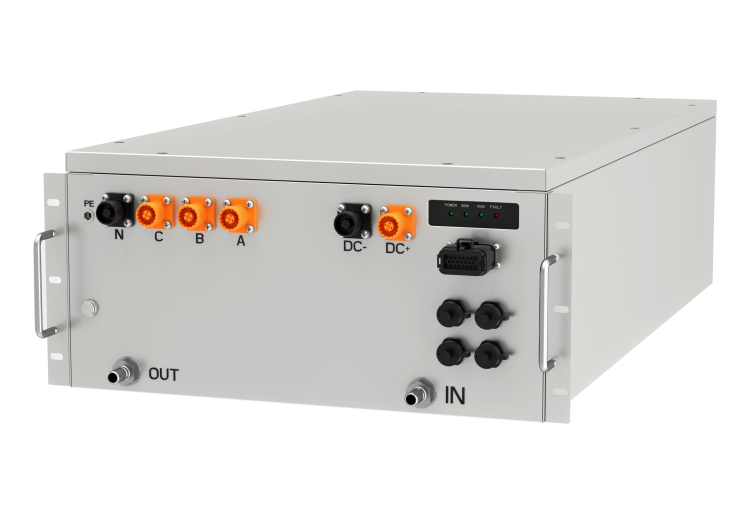

Mars (Liquid Cooling) Series Industrial and Commercial Energy Storage Converter High Protection Module
Shenzhen Winline Technology Co., Ltd.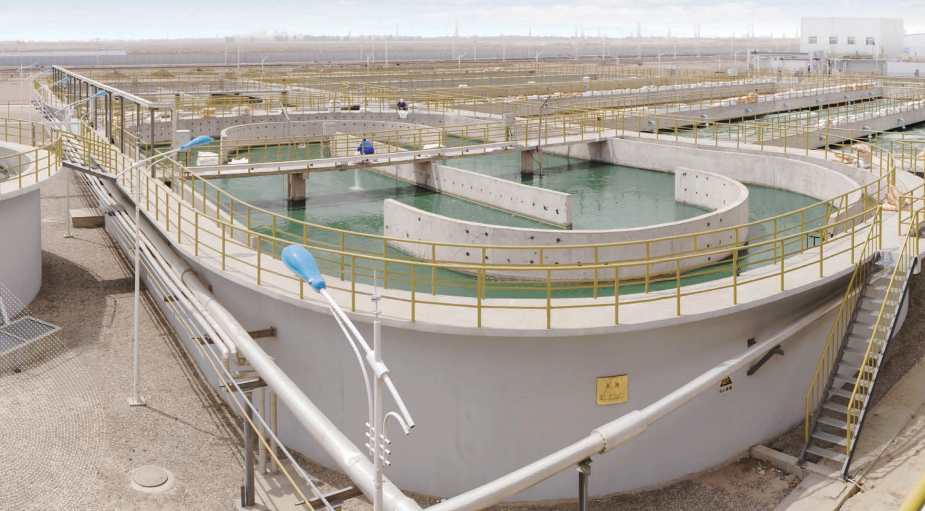
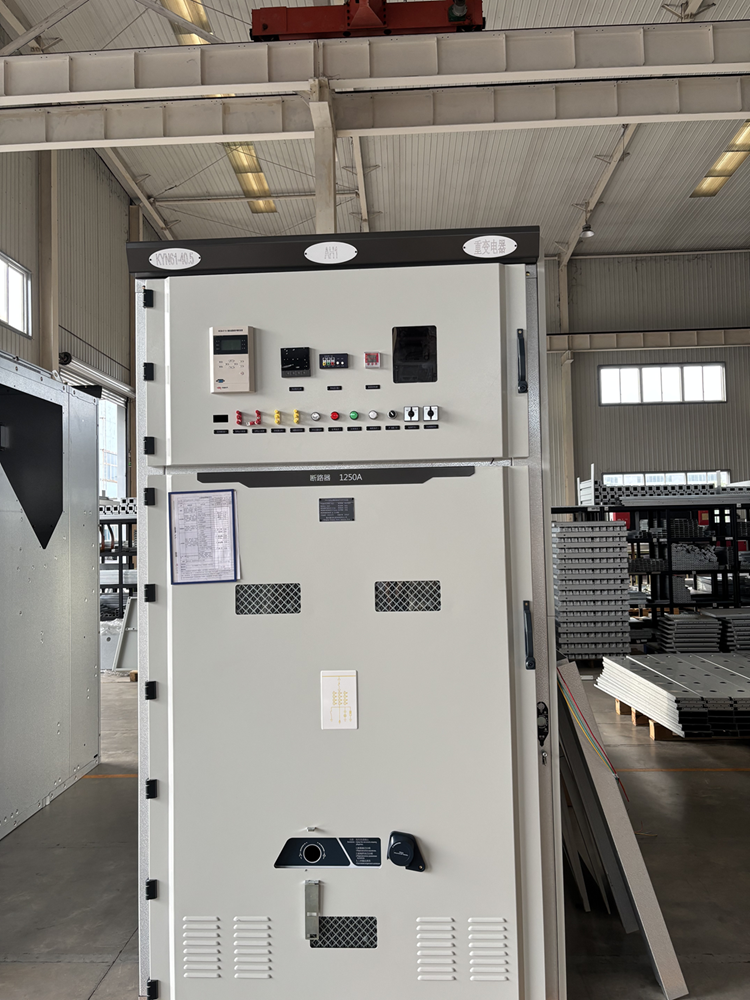
KYN61-40.5 Indoor AC Metal-clad Removable Switchgear
Chongqing Transformer Co., Ltd.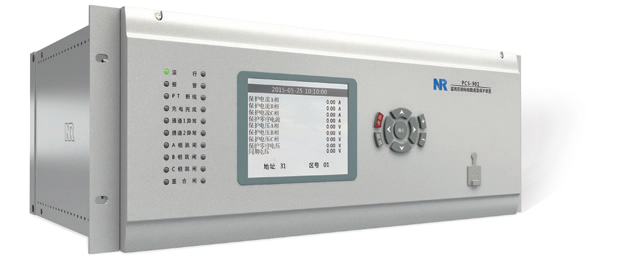
PCS-901 Series Ultra (Extra) High-voltage Transmission Line Complete Protection Device
Nanjing NR Electric Co., Ltd.
MESS8201-2507/5015-BN Prefabricated Liquid-cooled Energy Storage Battery Container
Xuchang Xuji Electric Science Energy Storage Technology Co., Ltd.
Quick-Change Single-Seat Control Valve / Quick-Change High-Pressure Single-Seat Control Valve
Beijing Consen Automation Technology Co., Ltd.