UK Fusion Energy Company STEP Project Unveils Modular Fusion Reactor Design
en.Wedoany.com Reported - UK Fusion Energy Ltd has disclosed the modular core design of its Spherical Tokamak for Energy Production (STEP) project through two European patent applications, aiming to address long-term maintenance challenges of fusion reactors.
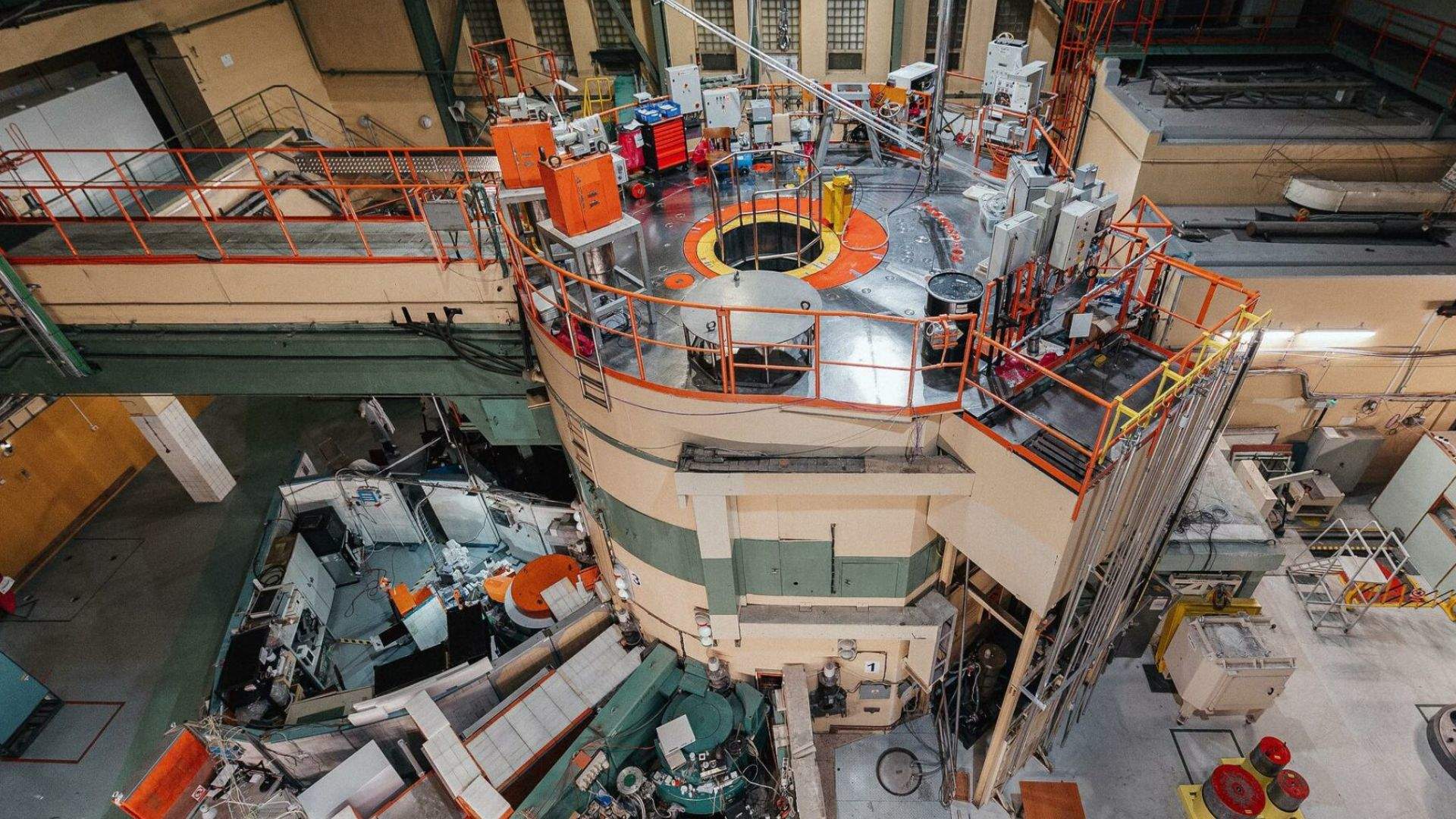
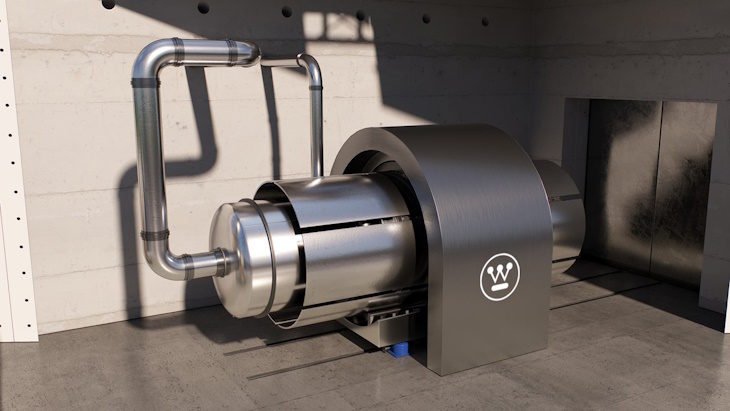
The two patent documents (application numbers EP4742271A1 and EP4742272A1) detail a method for manufacturing and repairing the vacuum vessel. The vacuum vessel is the sealed chamber where plasma fusion occurs and is the core component of a fusion reactor.
Traditional fusion reactors often use large, monolithic welded shells to withstand thermal and electromagnetic loads during operation. However, this robust structure creates a significant maintenance bottleneck: when internal components are damaged, the entire reactor requires prolonged shutdown, and technicians must cut through heavy shielding for repairs. The STEP fusion team states that while these designs are effective, maintenance and component replacement are quite difficult.
The newly disclosed design proposes using vertically stacked independent annular components to replace a single welded unit. In this scheme, the tokamak is divided into modular segments stacked on top of each other, with each module combining the vacuum vessel with related internal systems, allowing individual assembly, disassembly, and maintenance. If a component fails or degrades due to radiation, operators can lift a specific ring segment from the stack for isolated repair, leaving the rest of the reactor unaffected, and a spare module can be immediately replaced. This layout aims to reduce the number of connections that need to be made and broken during maintenance and improve access to internal systems.
However, splitting the fusion core into separate components introduces a major risk—degradation of vacuum integrity at the joints. Fusion reactions require near-absolute vacuum conditions to prevent impurities from cooling the plasma. Since large steel structures deform and expand under intense heat and magnetic forces, maintaining tight seals between unconnected rings was previously impractical. The second patent employs an adaptive fluid seal device designed to be installed between metal rings to address this structural weakness. This system combines structural flexibility with rigid vacuum retention, allowing modular segments to expand and contract during operation while preventing air leakage into the core.
Claire Goodier, Head of Intellectual Property at UK Fusion Energy Ltd, confirmed that these patent applications represent the first wave of STEP innovations entering the public domain through the international patent framework. Engineering Manager Roel Verhoeven added that the main obstacle to commercial fusion is ensuring the power plant can indeed be maintained throughout its operational lifespan. Verhoeven stated that the modular vessel architecture and related sealing concepts described in these applications are addressing these challenges and supporting the deployment of future fusion power plants.
Related Products

Quick-Change Single-Seat Control Valve / Quick-Change High-Pressure Single-Seat Control Valve
Beijing Consen Automation Technology Co., Ltd.
Modular Multifunctional Water Supply and Drainage Vehicle (18T)
Changsha Dewater Machinery Technology Co., Ltd.
Perfluorinated Ionic Membrane-CM-10N Series Membrane
Guizhou Juneng Century Technology Co., Ltd
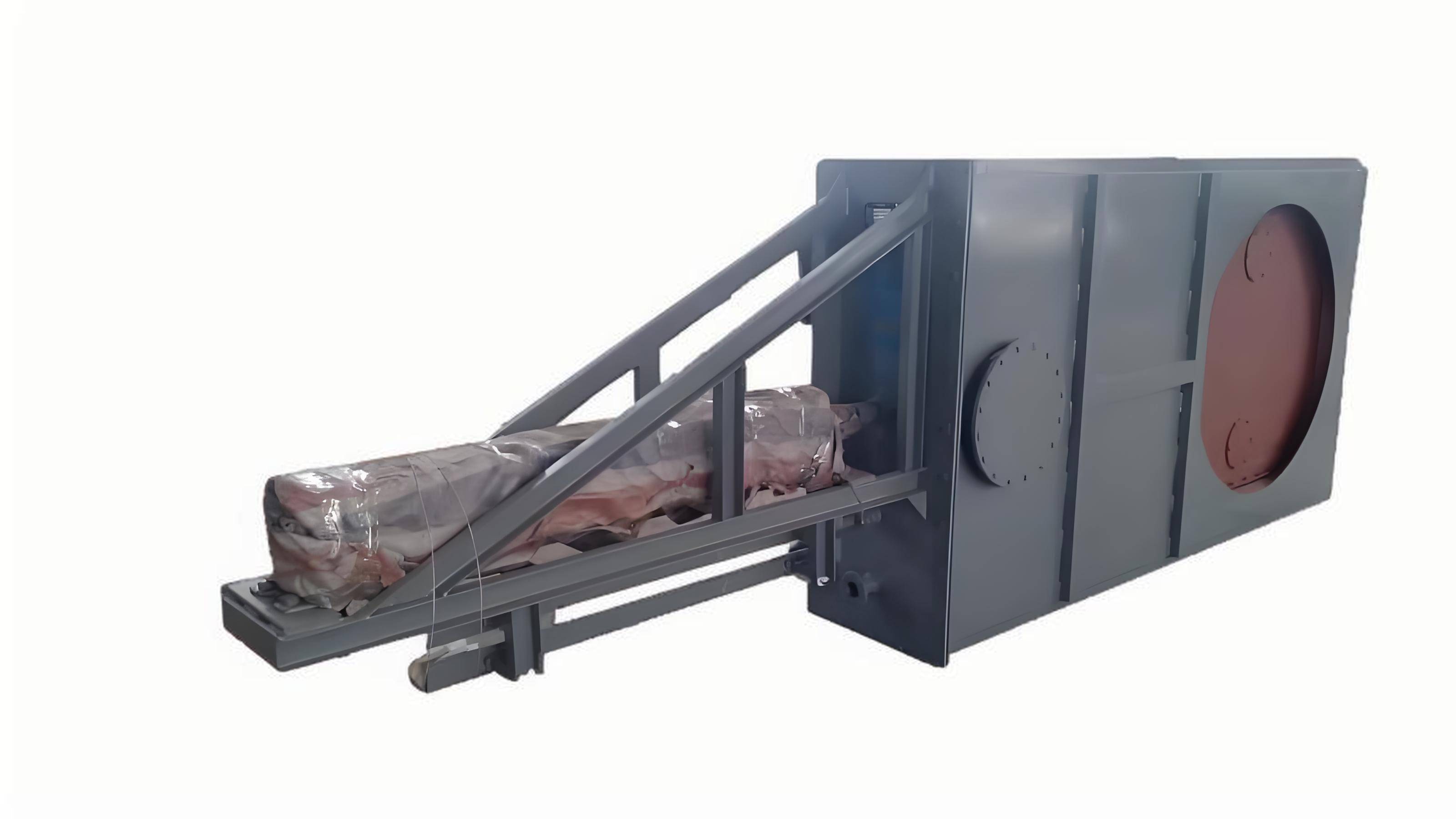
Double-slide Triple-sealed Hot Air Isolation Door
Xi'an Yingchuan Electric Power Equipment Co., Ltd.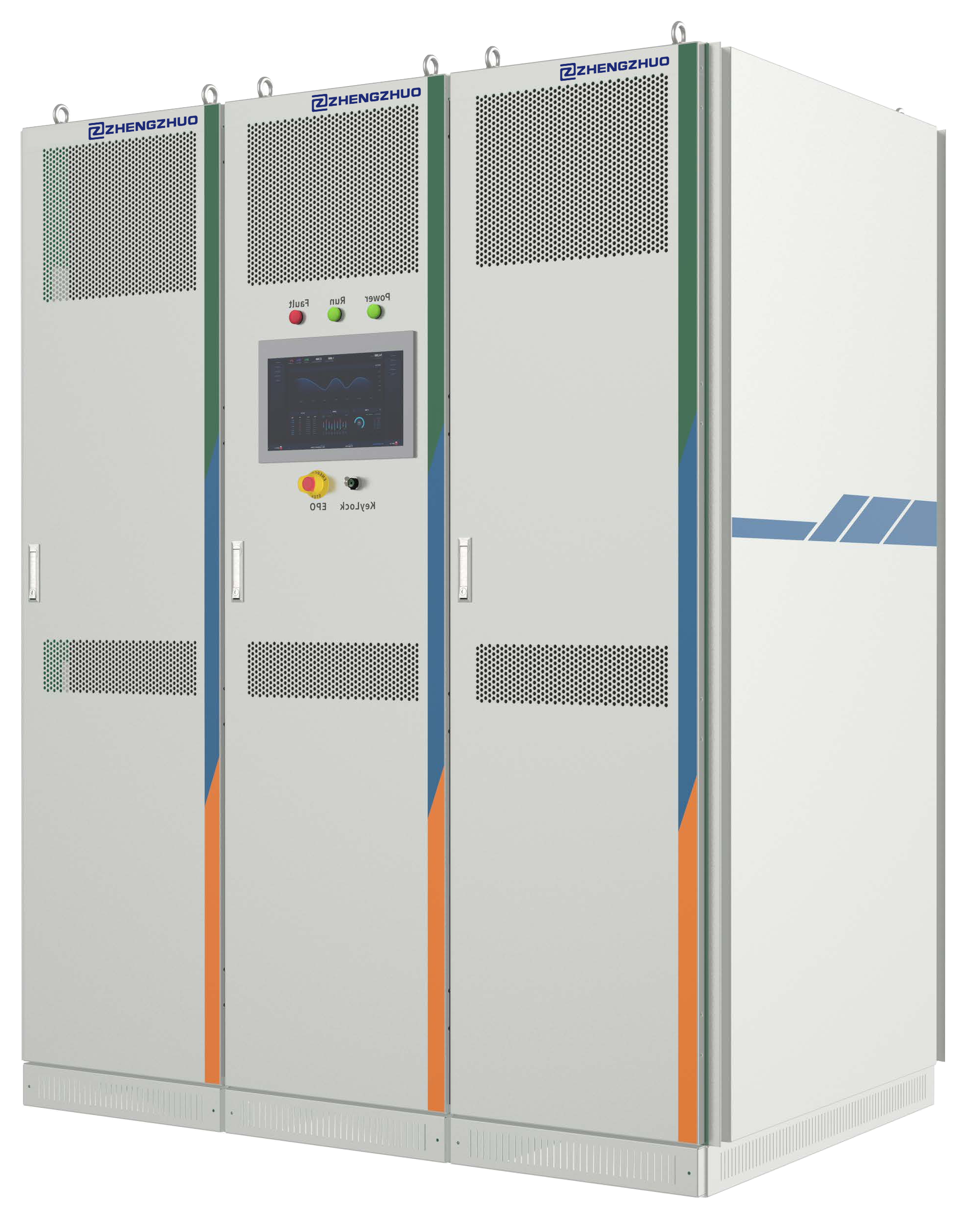
IGBT Hydrogen Production Power Supply - High Power Air Cooling
Beijing Zhengzhuo Engineering Technology Co., Ltd.
Hydrogen production and hydrogenation charging refueling gas integrated energy station
Shenzhen Kohodo Hydrogen Energy Co., Ltd.