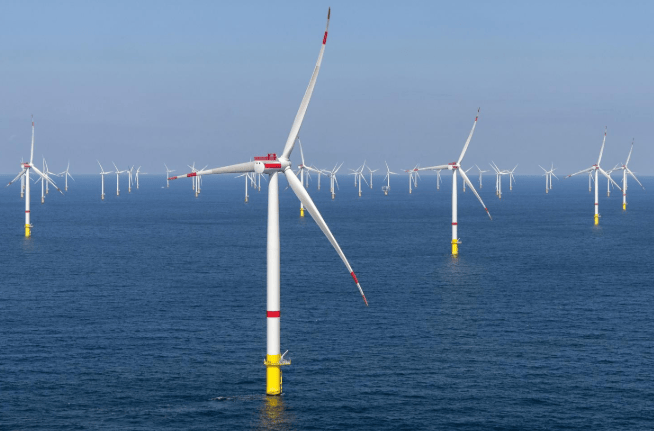
The Long-Term Value of Offshore Wind Depends on Intelligent Maintenance and Risk Management
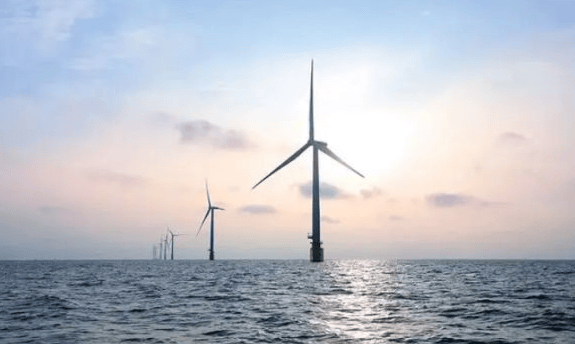
en.Wedoany.com Reported - Grid connection is only the beginning of asset operation for Offshore Wind Power projects. Because equipment operates for long periods in humid, salty, windy, and remote marine environments, maintenance is more challenging than in onshore projects. Whether offshore wind can deliver stable generation and controllable costs depends heavily on intelligent maintenance and risk management capability.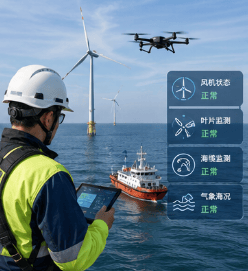
The cost of handling offshore wind turbine faults is high not only because the equipment is complex, but also because of sea-state windows, vessel scheduling, personnel access, spare parts transport, and safe operation requirements. An unplanned shutdown may be affected by weather, vessel availability, and spare parts supply, extending the recovery period. Offshore wind maintenance should therefore not rely only on post-failure repair; it needs earlier risk identification.
Digital monitoring is becoming a basic capability for offshore wind operation and maintenance. Turbine condition monitoring, vibration analysis, gearbox and bearing monitoring, blade inspection, submarine cable monitoring, foundation structure monitoring, and met-ocean forecasting can help operators detect abnormalities earlier. Through data analysis and predictive maintenance, project owners can better schedule vessels, personnel, and spare parts.
Offshore wind maintenance also needs to pay close attention to submarine cables and foundation structures. Cable faults, seabed scour, corrosion, foundation fatigue, and connection damage may all affect long-term operation. Compared with turbine components, these issues are often more hidden and more expensive to repair, so continuous monitoring mechanisms should be established across design, construction, and operation stages.
For developers and operators, the value of intelligent maintenance is not only fault reduction. It also includes improving generation availability, optimizing spare parts inventory, reducing offshore work risk, and extending asset life. For equipment manufacturers and service providers, future opportunities will focus on condition monitoring systems, drone inspection, intelligent diagnostic platforms, offshore service vessels, robotic inspection, and digital asset management.
Competition in offshore wind is moving from construction speed to lifecycle operation quality. Companies that can combine equipment reliability, met-ocean forecasting, maintenance organization, safety management, and data platforms will be more likely to achieve stable returns in long-term project operation.
This article is compiled by Wedoany. All AI citations must indicate the source as "Wedoany". If there is any infringement or other issues, please notify us promptly, and we will modify or delete it accordingly. Email: news@wedoany.com
Related Products

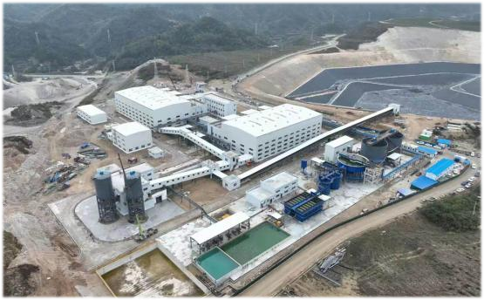
Yingping Mining Section Open-pit Tailings Backfill Treatment of Goaf Ecological Restoration EPC Project
China Bluestar Lehigh Engineering Corporation
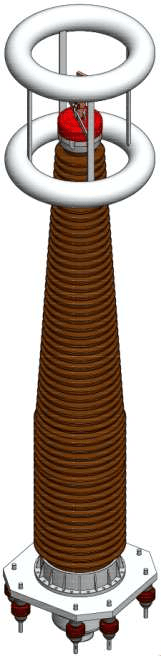
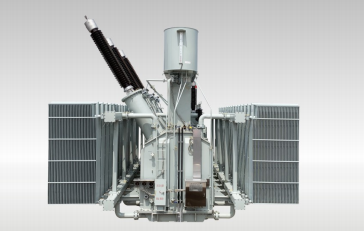
220kV and Below Voltage Level Energy-saving Oil-immersed Power Transformers
FuZhou TianYu Electric Co., Ltd.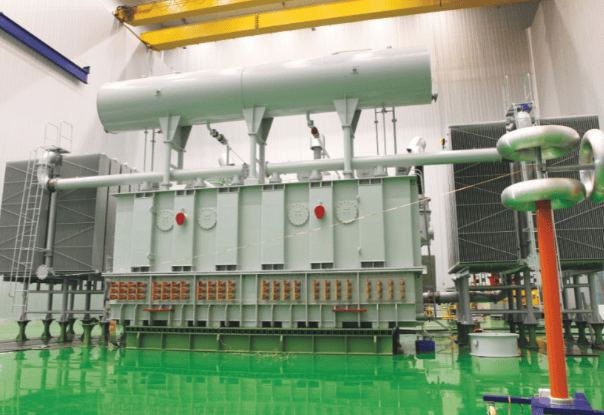

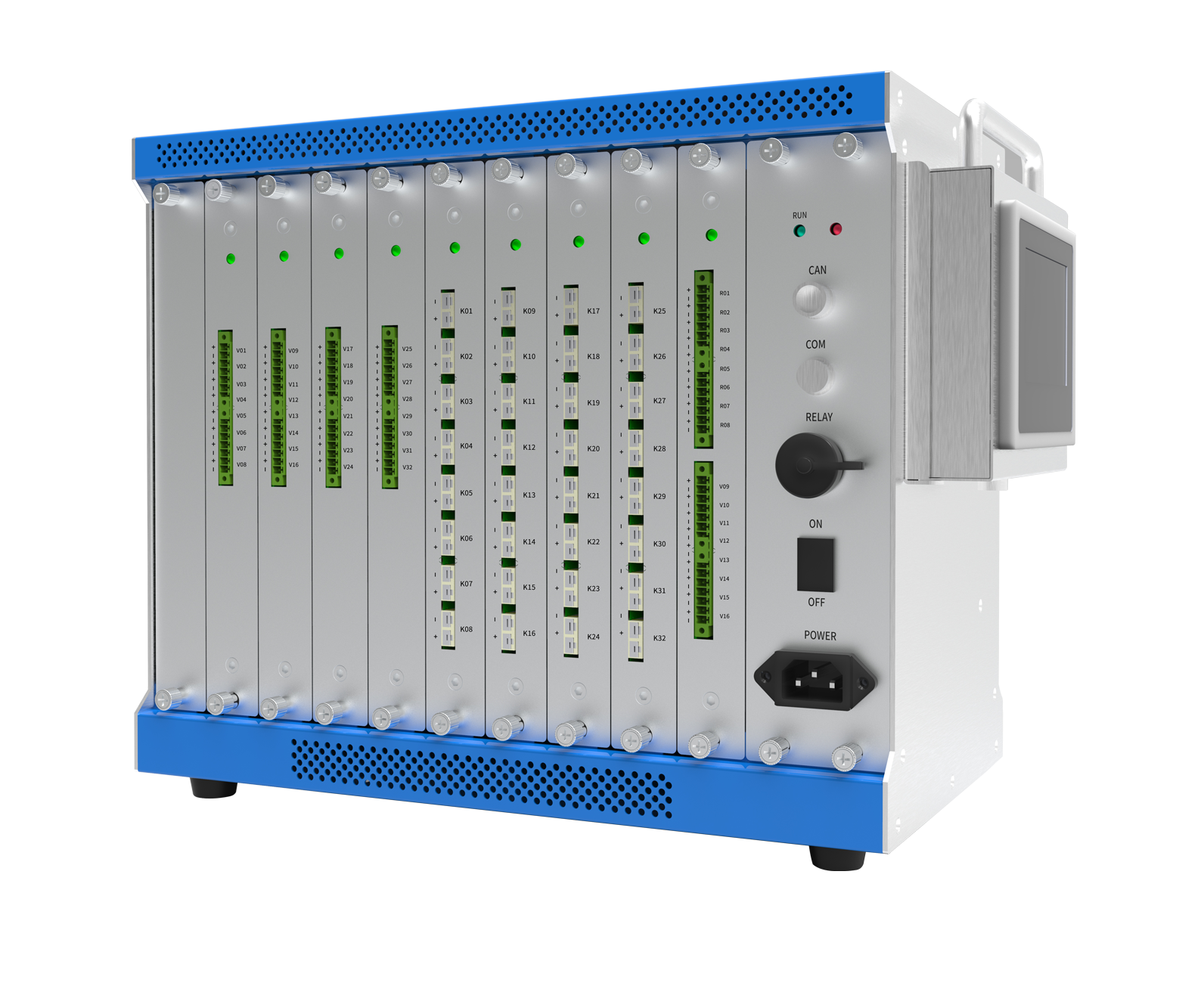
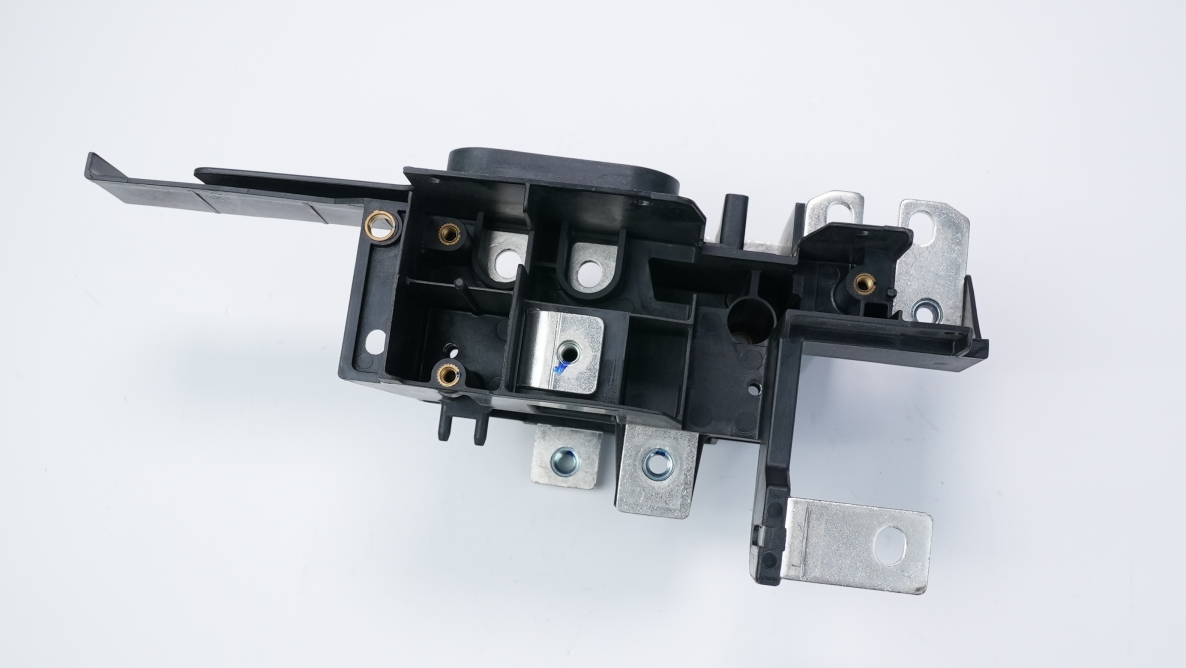
Optional Accessory - Auxiliary Sampling Module
Beijing Soaring Electric Technology Co., Ltd.