en.Wedoany.com Reported - Australia's data center industry has grown more than fortyfold over the past 20 years, with capacity rising from approximately 37MW in 2005 to around 1.3GW in 2025, and is expected to exceed 3100MW by 2030.
According to the "Australia Data Center Growth" report released by M3 Property, this rapid expansion is reshaping how utility sectors plan and deliver critical infrastructure such as power, water, and telecommunications networks.
For infrastructure company Lanco Group, this accelerating trend underscores the need for early engagement in project planning and promoting a more integrated delivery model among utility sectors. Managing Director Tony Georgiadis stated that the challenge lies in ensuring supporting infrastructure not only meets immediate construction needs but also sustains long-term operational requirements. He said: "We provide this service through our own professionals, a deep understanding of water utility needs, and the capability to deliver the necessary infrastructure for data centers."
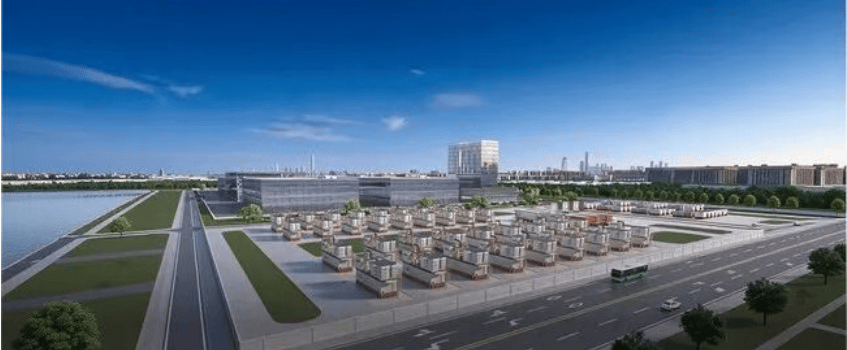
Lanco Group is currently involved in multiple projects in Victoria supporting the development of new data centers, located in both metropolitan and regional areas. These projects require the delivery of large-capacity water supply and sewage infrastructure to support cooling systems and ongoing operations. As many developments are situated along major transport corridors, the complexity of approvals, sequencing, and coordination with multiple government departments increases. Georgiadis noted that these sites are often on major roads within transport department corridors, requiring considerable planning efforts.
Georgiadis indicated that while demand for data center capacity continues to accelerate, infrastructure delivery often faces challenges from tight timelines and the involvement of multiple stakeholders, including utility companies, government departments, and consulting teams. He said the process is lengthy, requiring interaction with water utilities and multiple client needs and requirements, and it takes time to obtain answers from all parties before planning can begin and infrastructure design can be initiated.
Georgiadis believes that the rush to bring facilities online can sometimes lead to inefficiencies, especially when infrastructure planning is not aligned throughout the project lifecycle. To address this, early engagement is becoming increasingly important. Developers and utilities want to better understand infrastructure capacity and constraints before construction begins. He mentioned: "One of our clients engaged us earlier to conduct due diligence on the site. We look at the location of infrastructure, costs, and whether supply can meet demand."
This approach also helps design infrastructure with long-term scalability in mind, particularly for multi-phase data center developments. Georgiadis said: "We work together, so it's not just Phase 1. We consider the total supply required for the entire project. If there are multiple phases, you don't want to build infrastructure first and then later find the supply isn't large enough." He also noted growing interest in alternatives to reduce reliance on drinking water for cooling systems, such as using recycled water for cooling towers if available in the area.
This article is compiled by Wedoany. All AI citations must indicate the source as "Wedoany". If there is any infringement or other issues, please notify us promptly, and we will modify or delete it accordingly. Email: news@wedoany.com