Offshore Wind Supply Chain Competition Depends on Ports, Vessels, and Heavy Equipment Coordination
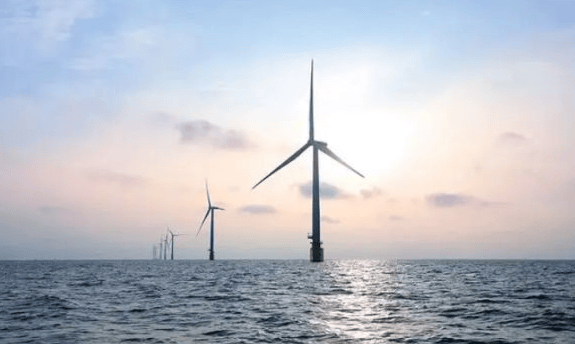
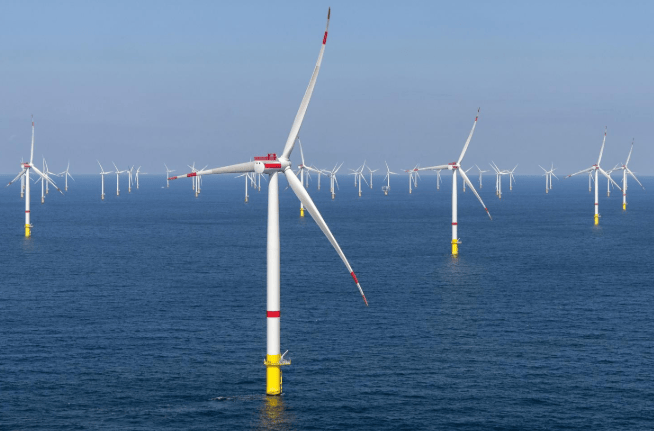
en.Wedoany.com Reported - The construction capability of Offshore Wind Power projects depends heavily on whether the supply chain can operate as a coordinated system. Compared with ordinary onshore renewable energy projects, offshore wind equipment is larger, transportation routes are more complex, and installation windows are more limited. This places higher requirements on port bases, installation vessels, heavy lifting, submarine cable laying, and site organization.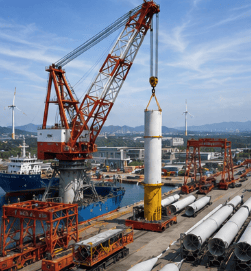
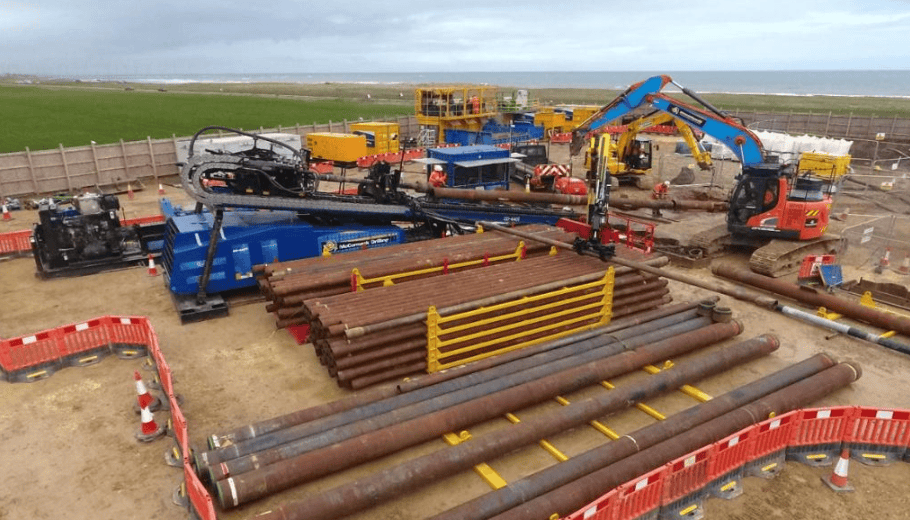
Ports are critical engineering nodes for offshore wind projects. Large components such as blades, towers, nacelles, foundations, and submarine cables need to be stored, pre-assembled, scheduled, and loaded at port facilities. Shoreline conditions, yard area, ground bearing capacity, lifting capacity, and transport connections can all affect project delivery efficiency. If port infrastructure is insufficient, even strong manufacturing capability may face bottlenecks during project execution.
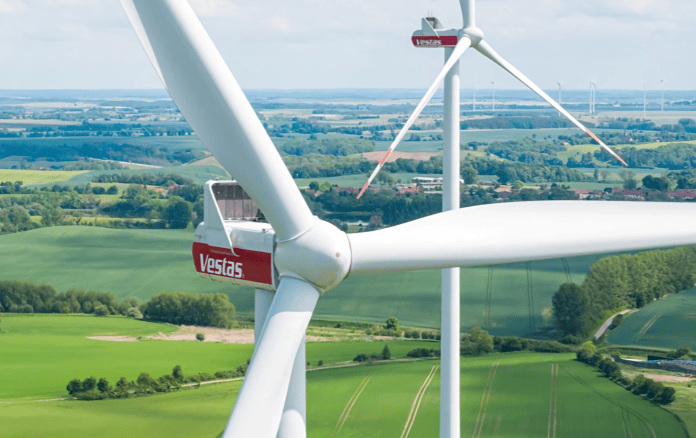
Construction vessels are another key factor. Offshore wind requires installation vessels, transport vessels, cable-laying vessels, service operation vessels, and auxiliary vessels to work together. Water depth, wave conditions, tides, and distance from shore determine vessel selection and construction planning. As wind turbines become larger, lifting height, crane capacity, and offshore positioning accuracy place higher requirements on construction equipment.
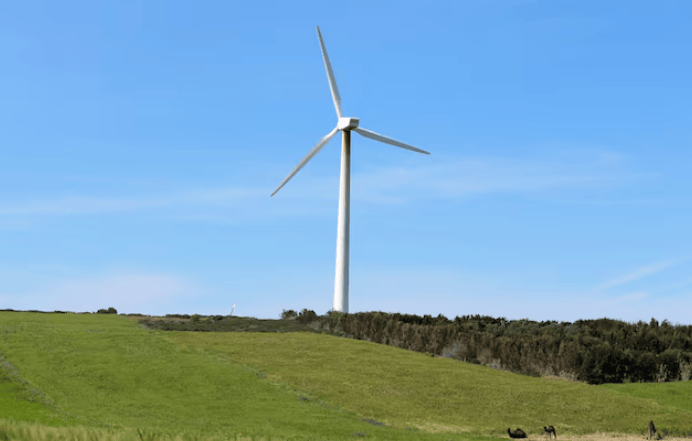
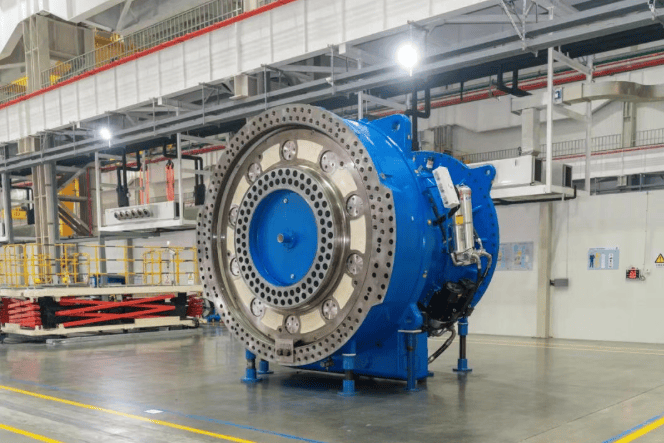
Heavy equipment manufacturing capability also affects the offshore wind industrial chain. Large blades, tall towers, high-capacity turbines, long submarine cables, offshore substations, and large foundation structures all require strong manufacturing, quality control, and logistics organization capability. For suppliers, stable delivery according to project schedules is often more important than individual product parameters.
Offshore wind supply chains also face cross-regional coordination challenges. Project development, equipment manufacturing, port assembly, offshore construction, and maintenance bases are often located in different places. A delay in any single link may affect the whole schedule. As a result, supply chain management, contract coordination, risk planning, and digital project management are becoming increasingly important.
In the future, competition in offshore wind will not only occur among turbine manufacturers. It will also extend to ports, marine engineering equipment, submarine cables, foundation manufacturing, maintenance services, and project management capabilities. Companies that can build stable, repeatable, and schedulable offshore wind delivery systems will be better positioned in large-scale projects.
This article is compiled by Wedoany. All AI citations must indicate the source as "Wedoany". If there is any infringement or other issues, please notify us promptly, and we will modify or delete it accordingly. Email: news@wedoany.com