Fixed-Bottom and Floating Technologies Define the Development Boundary of Offshore Wind
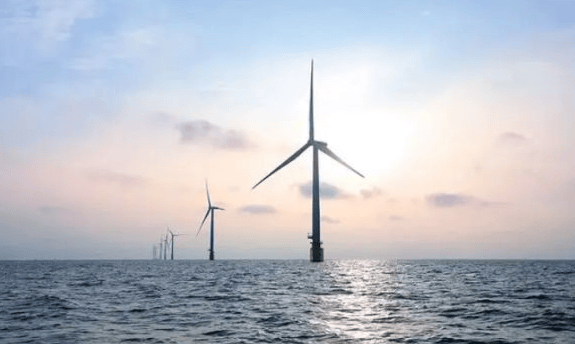
en.Wedoany.com Reported - The development of Offshore Wind Power is shaped by water depth, seabed conditions, and offshore construction capability. In shallow nearshore areas, fixed-bottom foundations remain a major technical route. In deeper waters and farther offshore areas, floating wind is becoming an important pathway for expanding offshore wind resources. These technology routes have different requirements for equipment, engineering, maintenance, and cost control.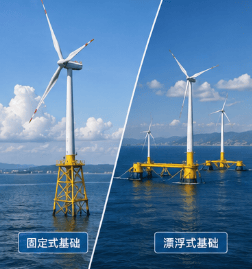
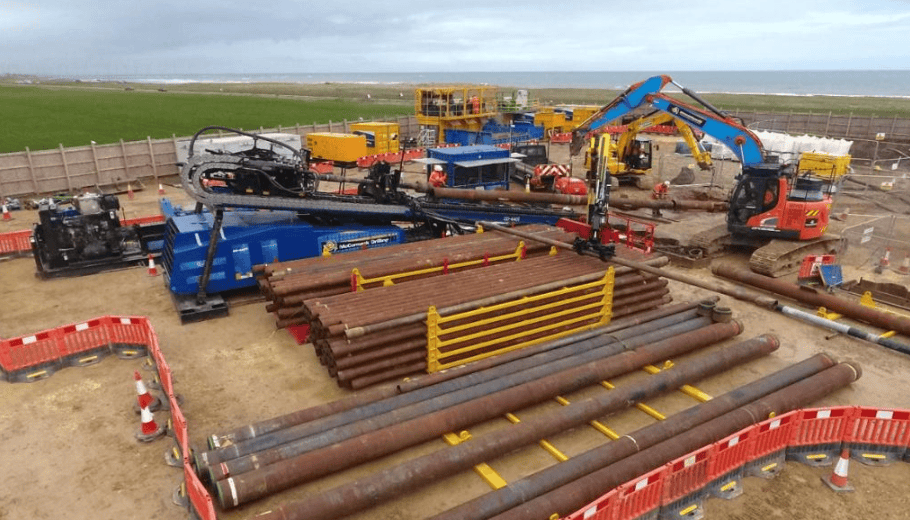
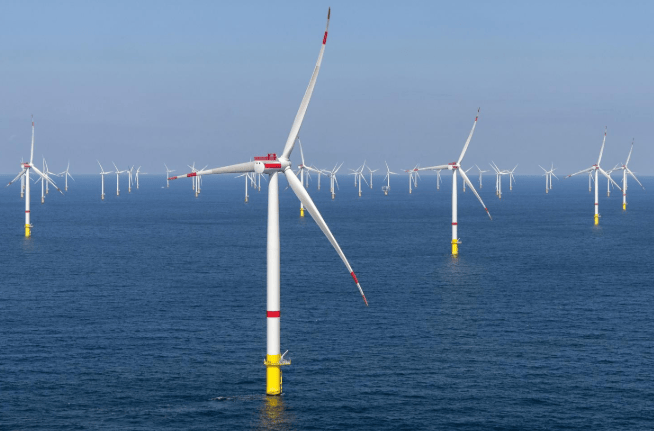
Fixed-bottom offshore wind usually relies on structures such as monopiles, jacket foundations, or gravity-based foundations to support turbines on the seabed. This approach is suitable for certain water depths, and its engineering focus includes geological surveys, foundation manufacturing, pile installation, submarine cable protection, and corrosion resistance. Its technology system is relatively mature, but projects are still constrained by seabed conditions, installation vessels, and weather windows.
The core of floating offshore wind is to support turbines with floating platforms such as semi-submersible, tension-leg, or spar structures, while mooring systems keep the platforms in position. Floating wind can help projects move into deeper waters, but it also brings more complex issues in structural dynamics, mooring design, platform manufacturing, tow-out installation, and offshore maintenance. For engineering companies, floating wind is not simply a foundation replacement; it is an upgrade of the entire offshore engineering system.
From the supply chain perspective, the two routes require different industrial capabilities. Fixed-bottom projects rely more on large foundation manufacturing, heavy lifting, submarine cable laying, and port assembly capacity. Floating projects place stronger emphasis on floating body fabrication, mooring and anchoring, dynamic cables, structural monitoring, and offshore installation experience. Companies entering the offshore wind market need to identify which project segments match their capabilities.
For developers, technology route selection should not be based only on wind resources. Water depth, distance from shore, seabed geology, port conditions, grid access, construction resources, and maintenance accessibility also need to be considered. A sea area with strong wind resources may still carry higher project risk if construction and maintenance support is insufficient.
In the future, fixed-bottom and floating offshore wind will develop in parallel. Fixed-bottom projects will continue to support large-scale deployment in mature sea areas, while floating projects may open broader deep-water resource space. The most competitive companies will be those that can combine marine engineering, wind power equipment, power systems, and digital maintenance capabilities.
This article is compiled by Wedoany. All AI citations must indicate the source as "Wedoany". If there is any infringement or other issues, please notify us promptly, and we will modify or delete it accordingly. Email: news@wedoany.com
Related Products

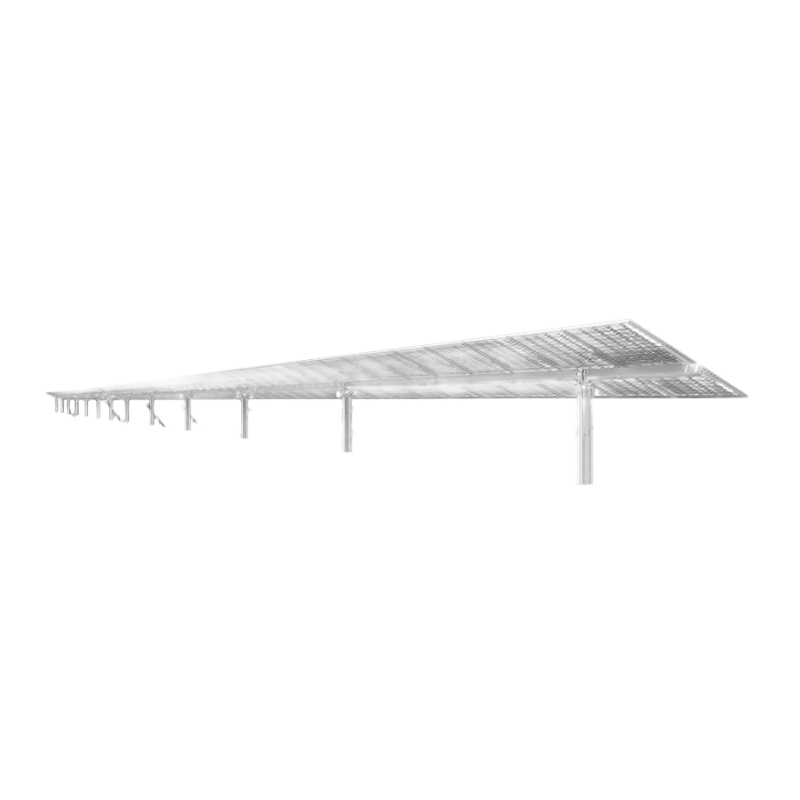
TAI Slew-drive Single-axis Independent 1P Tracking Bracket System
ANTAI TECHNOLOGY CO., LTD.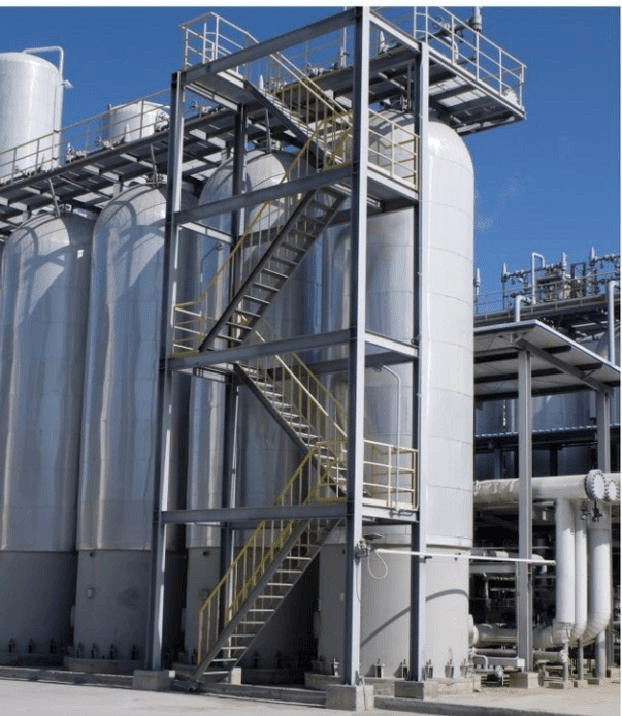
Hydrogen Production Technology: Hydrogen Purification by Pressure Swing Adsorption
Chengdu Yizhi Technology Co., Ltd.
Forest and Grassland Heat Source Infrared Monitor
China Huayun Meteorological Technology Group Co., Ltd.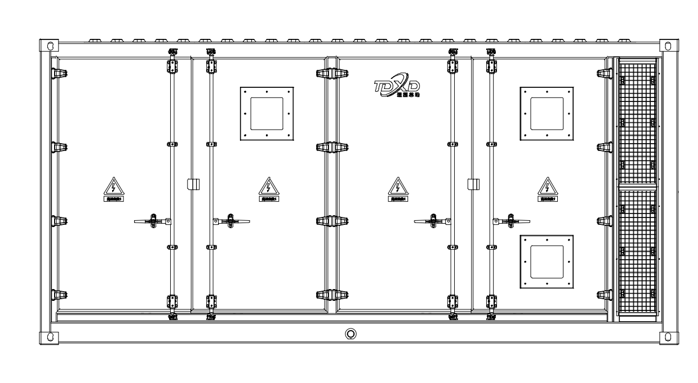
5012kWh DC Energy Storage System TD-EES-5012kWh
Suzhou Tongding Xindong Energy Storage Technology Co., Ltd.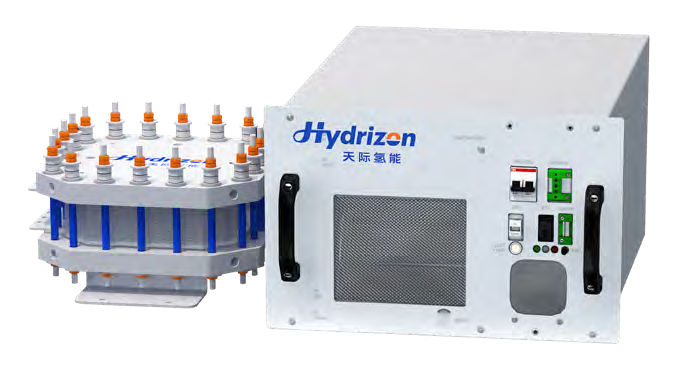
HI-Pro Green Hydrogen High-efficiency Production System-HI-PRO-AEM
Hydrizon Technology (Beijing) Co., Ltd.
Optional Accessory - Auxiliary Sampling Module
Beijing Soaring Electric Technology Co., Ltd.
Photovoltaic and Wind Power Generation Technology
Beijing Boqi Electric Power SCI-TECH Co., Ltd.