Offshore Wind Power Is Moving from Single Generation Projects to Marine Energy System Engineering
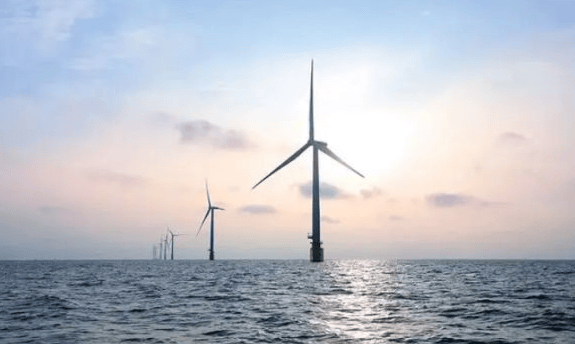
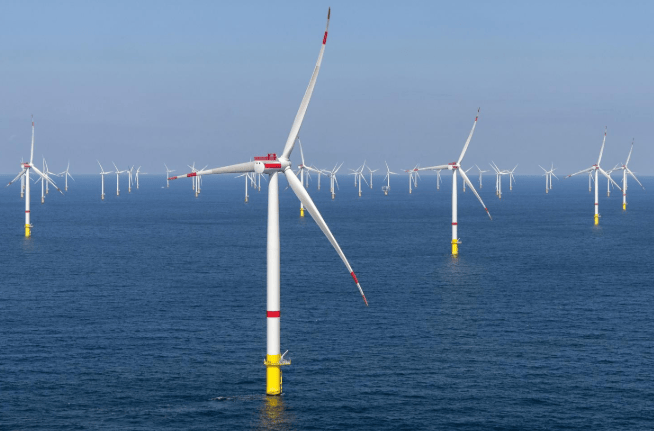
en.Wedoany.com Reported - offshore wind power is no longer simply a matter of moving wind turbines from land to sea. It is evolving into a systems engineering field that covers resource assessment, marine engineering, equipment manufacturing, power transmission, grid connection, port logistics, and long-term operation and maintenance. As nearshore and far-offshore resources are further developed, competition is shifting from turbine size and installed capacity to full-chain engineering capability and operational reliability.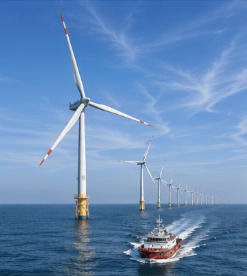
Compared with onshore wind power, offshore wind projects face far more complex natural conditions. Wind resources, wave height, ocean currents, seabed geology, salt spray corrosion, typhoons, and extreme weather can all affect project design. From the planning stage onward, it is necessary to systematically consider turbine foundations, submarine cable laying, offshore substations, construction vessels, installation windows, and maintenance access.
From the perspective of the industrial chain, offshore wind power not only drives demand for wind turbines, but also stimulates demand for supporting equipment such as blades, towers, foundations, submarine cables, converters, transformers, monitoring systems, anti-corrosion materials, installation vessels, and port services. For equipment manufacturers and engineering contractors, offshore wind projects require interdisciplinary coordination rather than the delivery of a single product.
The grid-connection value of offshore wind power is also increasing. Coastal regions often have concentrated electricity demand, while offshore wind resources are closely linked to the power needs of coastal industries, ports, data centers, and large urban clusters. If power transmission channels, consumption capacity, and dispatching mechanisms can be improved in parallel, offshore wind power will become an important support for coastal energy transition.
However, offshore wind projects usually have long development cycles, complex investment chains, and construction progress that is highly affected by weather windows. Whether a project can advance smoothly depends on early-stage surveying, engineering design, supply chain organization, offshore construction capability, and maintenance systems. Future competition will not only be about who can build larger wind turbines, but also about who can integrate turbines, foundations, cables, ports, vessels, and maintenance facilities into a stable marine energy system.
This article is compiled by Wedoany. All AI citations must indicate the source as "Wedoany". If there is any infringement or other issues, please notify us promptly, and we will modify or delete it accordingly. Email: news@wedoany.com
Related Products

Aero Piston Engine - FF600 Two-Stroke Opposed Two-Cylinder Engine
China Times Prospect Science & Technology Co., Ltd.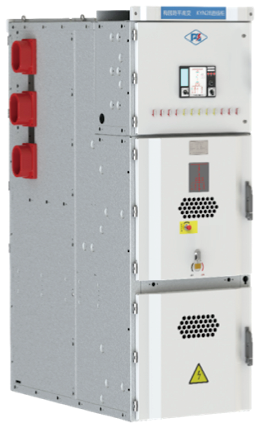
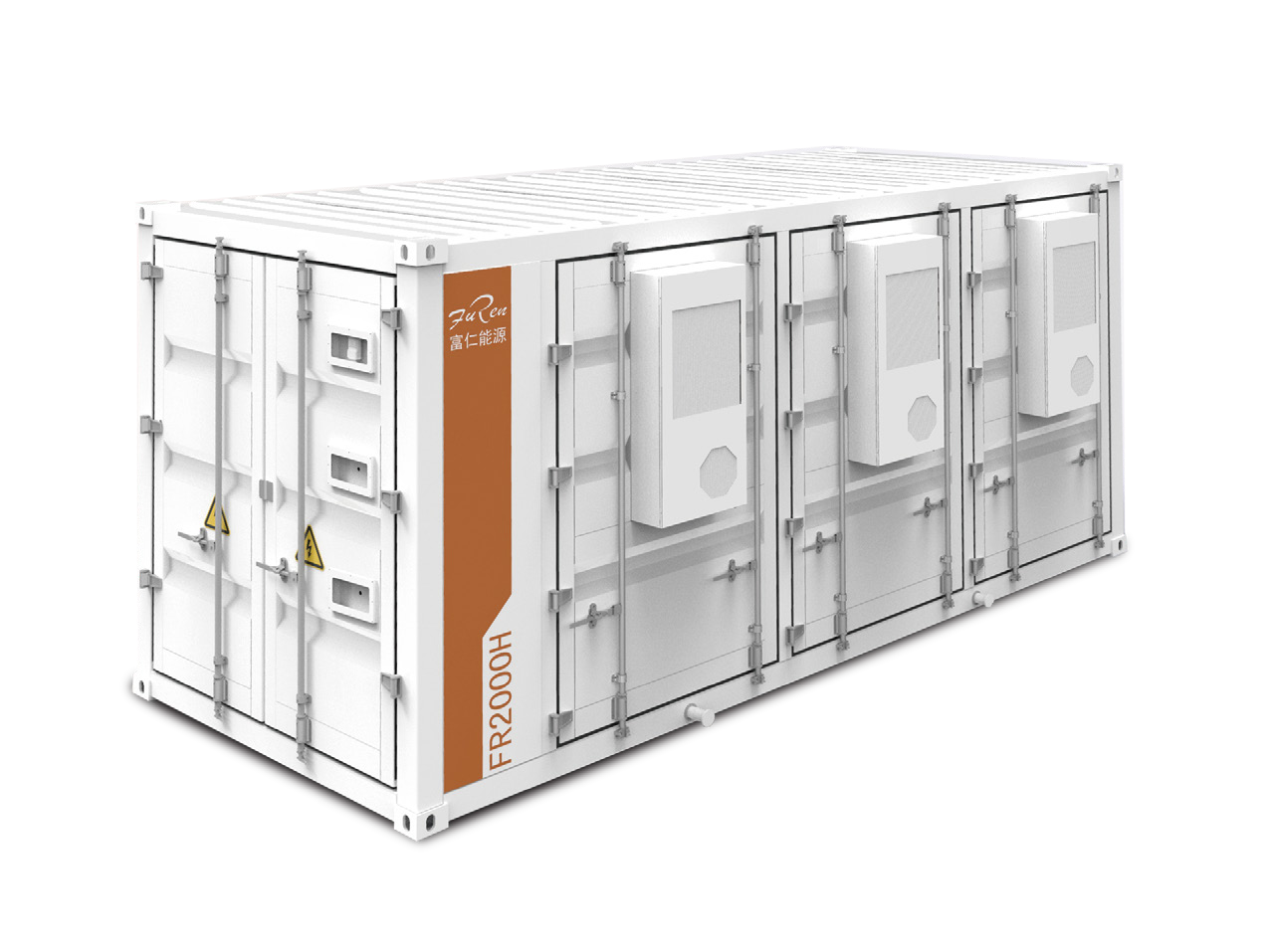
FR2000H 2.15MWh (Air-cooled) 20-foot Containerized Energy Storage System
Jiangyin Furen High-tech Co., Ltd.
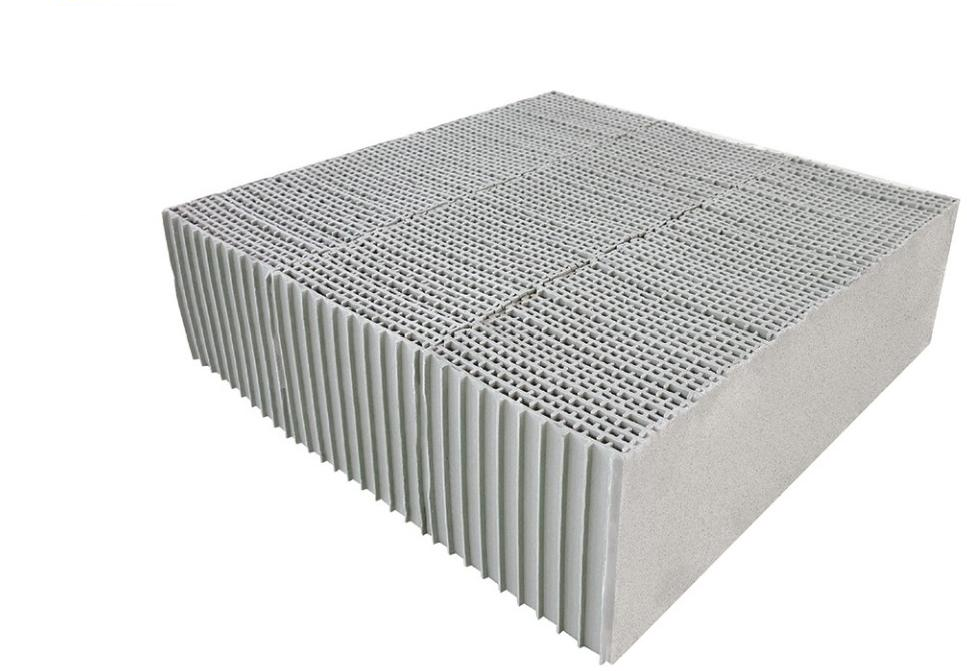
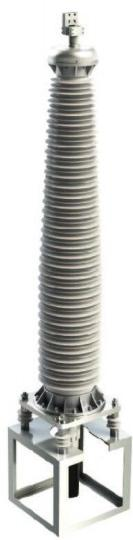
220kV Composite Outdoor Cable Terminal
Shenyang Guolian Cable Accessories Manufacture Co., Ltd.
Pneumatic high-pressure wear-resistant ball valve
Zhejiang Deca Control Valve Meter Co., Ltd.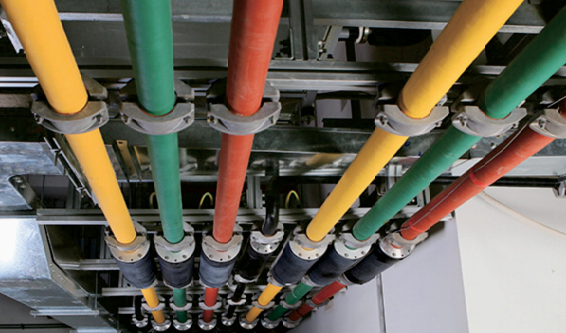
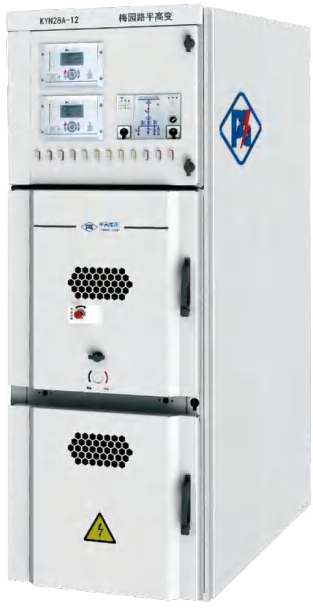
KYN28A-12 Metal Armored Removable Switchgear
Tianjin Ping Gao Intelligent Electric Co., Ltd.
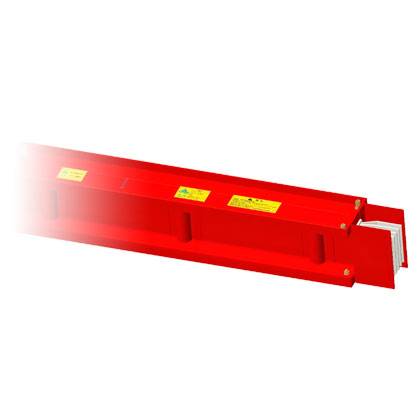
Mineral-insulated Compact Busway (Fire-resistant Busduct)
Zhuhai Guangle Electric Busway Co., Ltd.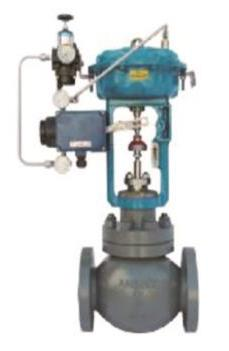
Quick-Change Single-Seat Control Valve / Quick-Change High-Pressure Single-Seat Control Valve
Beijing Consen Automation Technology Co., Ltd.