Distributed Photovoltaic Project Delivery Is Entering a Stage of Refined Operation
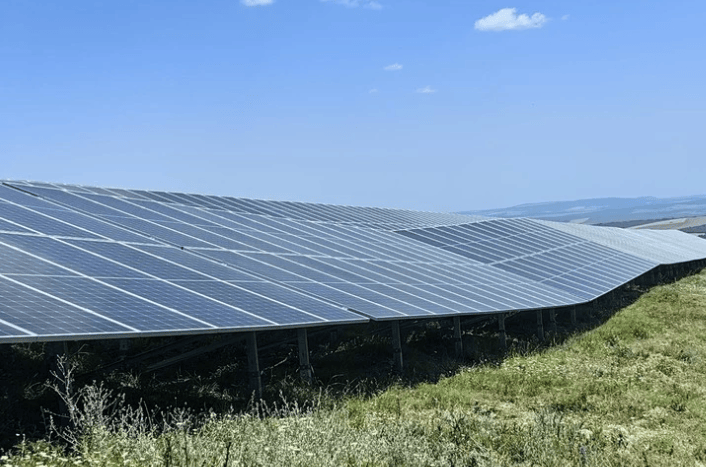
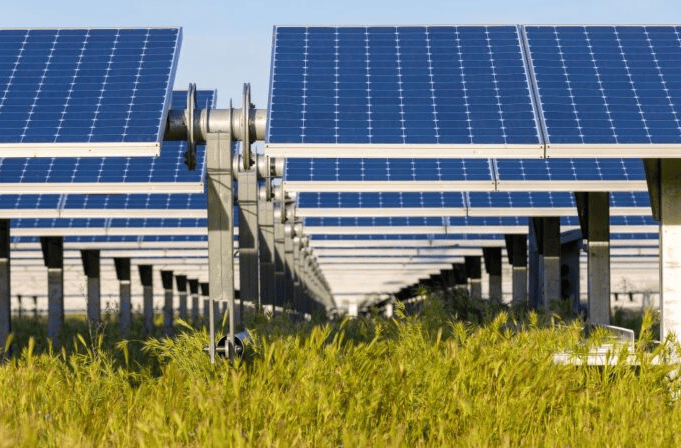
en.Wedoany.com Reported - The Distributed Photovoltaics industry is moving from rapid construction toward refined operation. For project owners, long-term generation stability, matching with electricity demand, and controllable maintenance risk are becoming more important than installed capacity alone.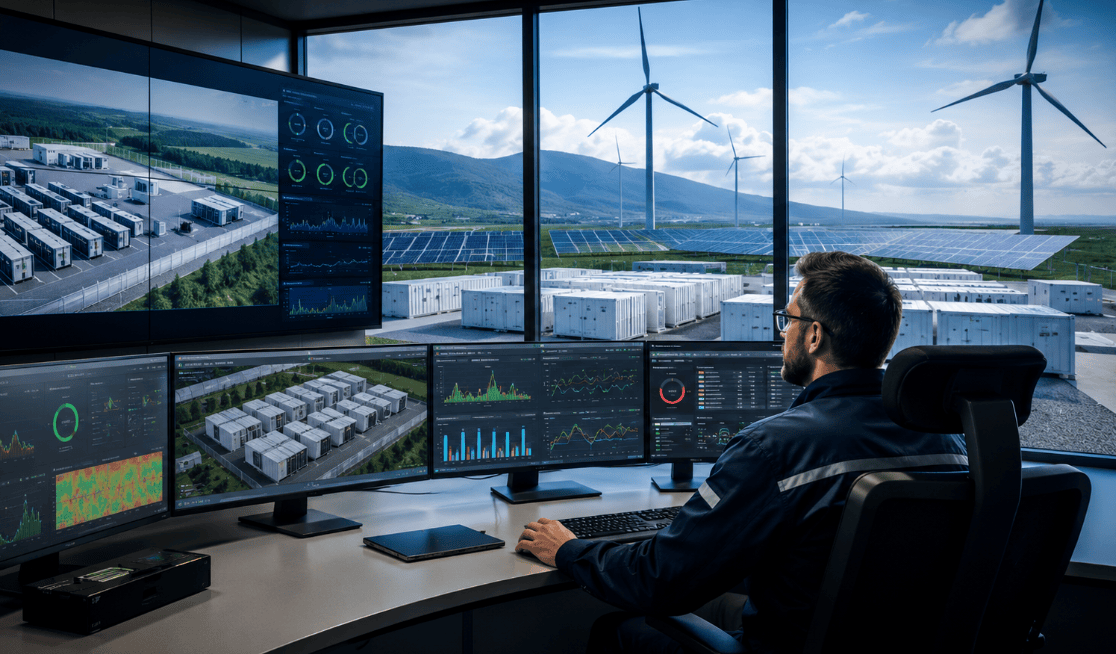
Distributed PV projects are usually deployed across many rooftops and user-side scenarios, where site conditions vary widely. Some rooftops have complex structures, some are affected by shading, some factories have fluctuating electricity demand, and some projects face grid-connection constraints. If these factors are not fully evaluated during the design stage, later operation may face lower-than-expected generation, frequent equipment faults, difficult maintenance, or revenue deviation.
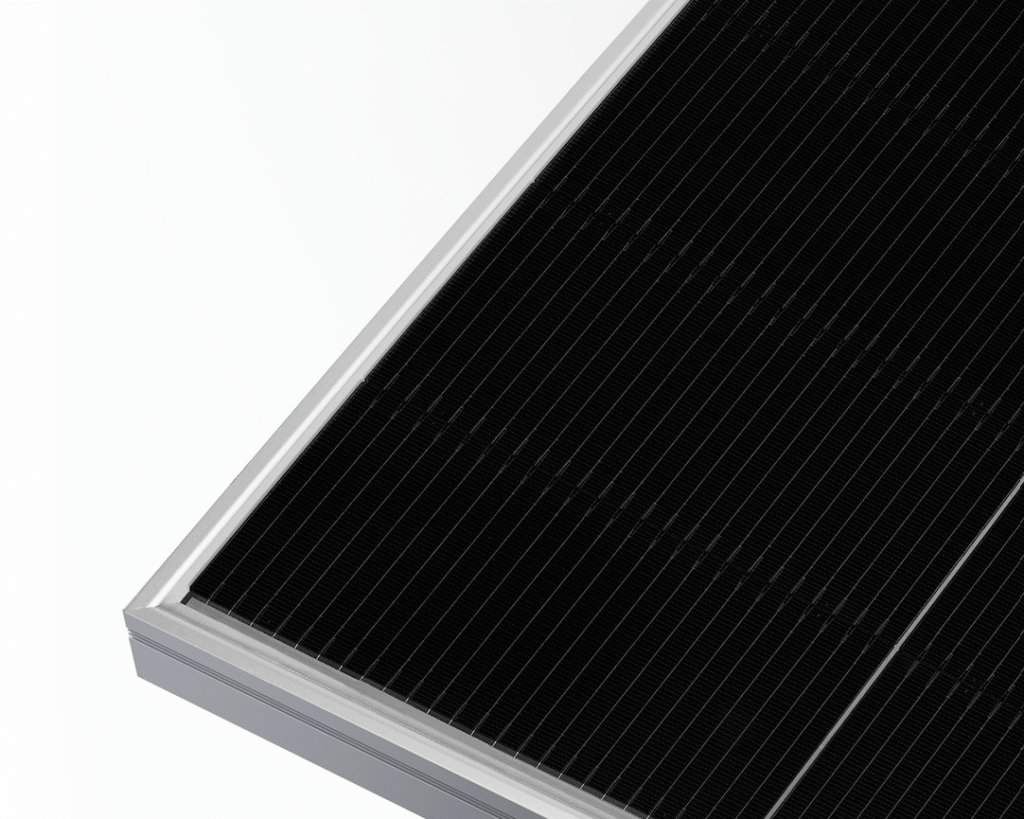
Refined delivery first requires project design to be closer to site conditions. Module layout should consider roof orientation, tilt angle, shading, and maintenance access. Mounting structures should balance structural safety and waterproofing protection. Inverter placement should consider heat dissipation, maintenance convenience, and communication conditions. Electrical design should meet requirements for protection, grounding, lightning protection, and fire safety. Each detail can affect lifecycle performance.
Operation and maintenance capability is also becoming an important part of project value. Distributed PV assets are widely dispersed, making it difficult for manual inspection to detect all problems in time. Through monitoring platforms, drone inspection, module-level data analysis, fault warning, and generation benchmarking, operators can identify shading, hot spots, inverter abnormalities, line faults, and generation deviations more quickly.
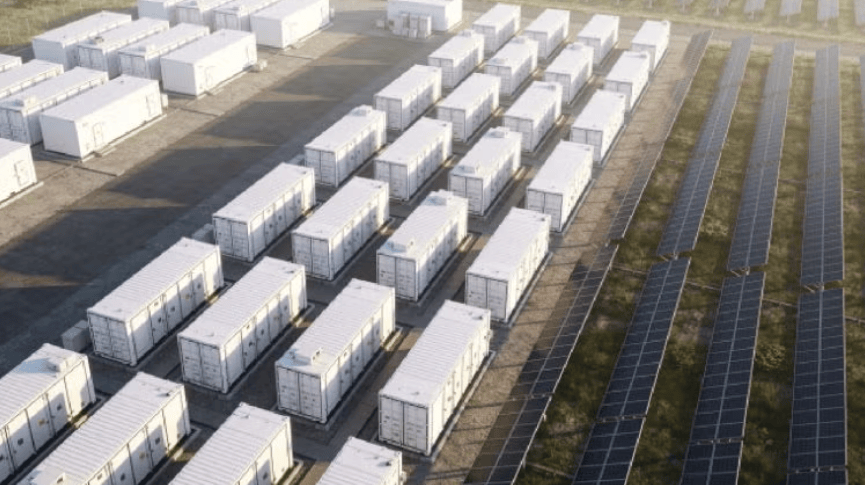
Distributed PV is also becoming part of enterprise energy management. Future projects will not only be generation assets. They will be connected with battery storage, charging piles, load control, carbon accounting, and electricity trading. For energy users, the value of PV projects will expand from saving electricity costs to optimizing energy structure and improving low-carbon management capability.
For supply chain companies, this means the market will require stronger system-level capabilities. Modules, inverters, mounting systems, cables, monitoring platforms, and maintenance services must work together around long-term project performance. Companies that can provide more reliable engineering design, more transparent data management, and more stable maintenance services will be better positioned to gain long-term opportunities in the distributed PV market.
This article is compiled by Wedoany. All AI citations must indicate the source as "Wedoany". If there is any infringement or other issues, please notify us promptly, and we will modify or delete it accordingly. Email: news@wedoany.com
Related Products
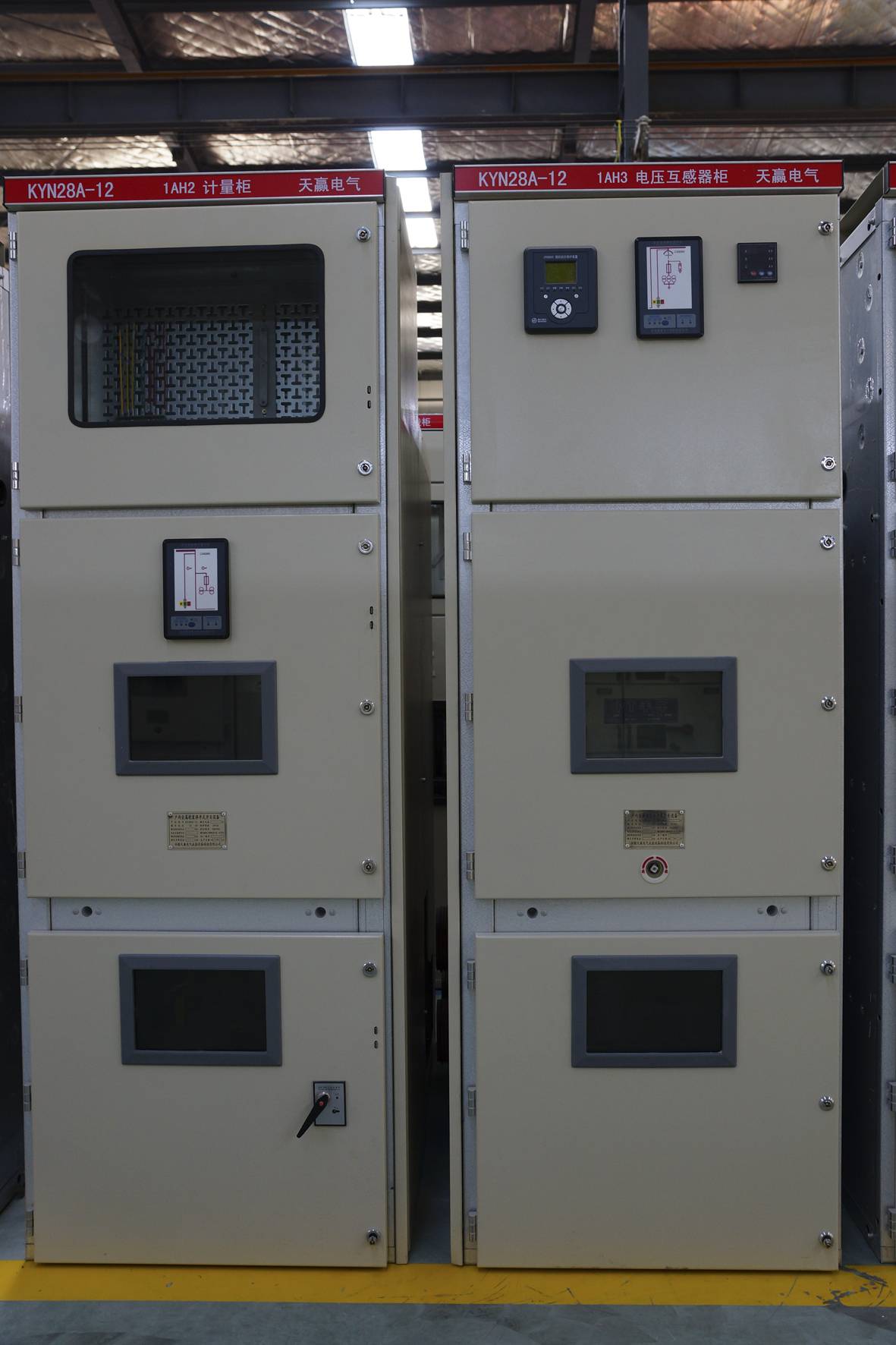

KYN28 - High Voltage Switchgear
Anhui Tianying Electrical Equipment Manufacturing Co., Ltd.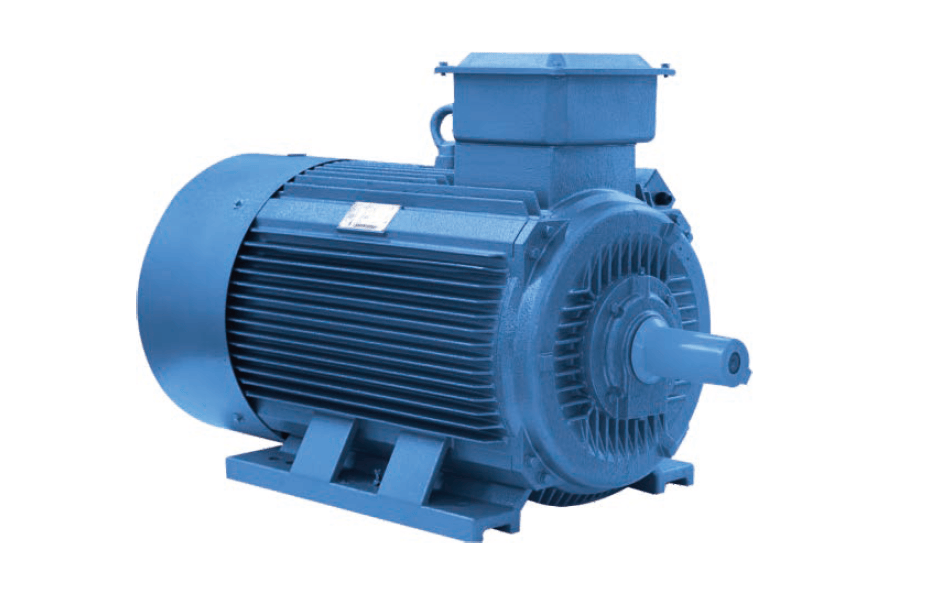
TYC Series High-Efficiency Permanent Magnet Synchronous Motor
Xiangdian Smart Energy Technology Co., Ltd.
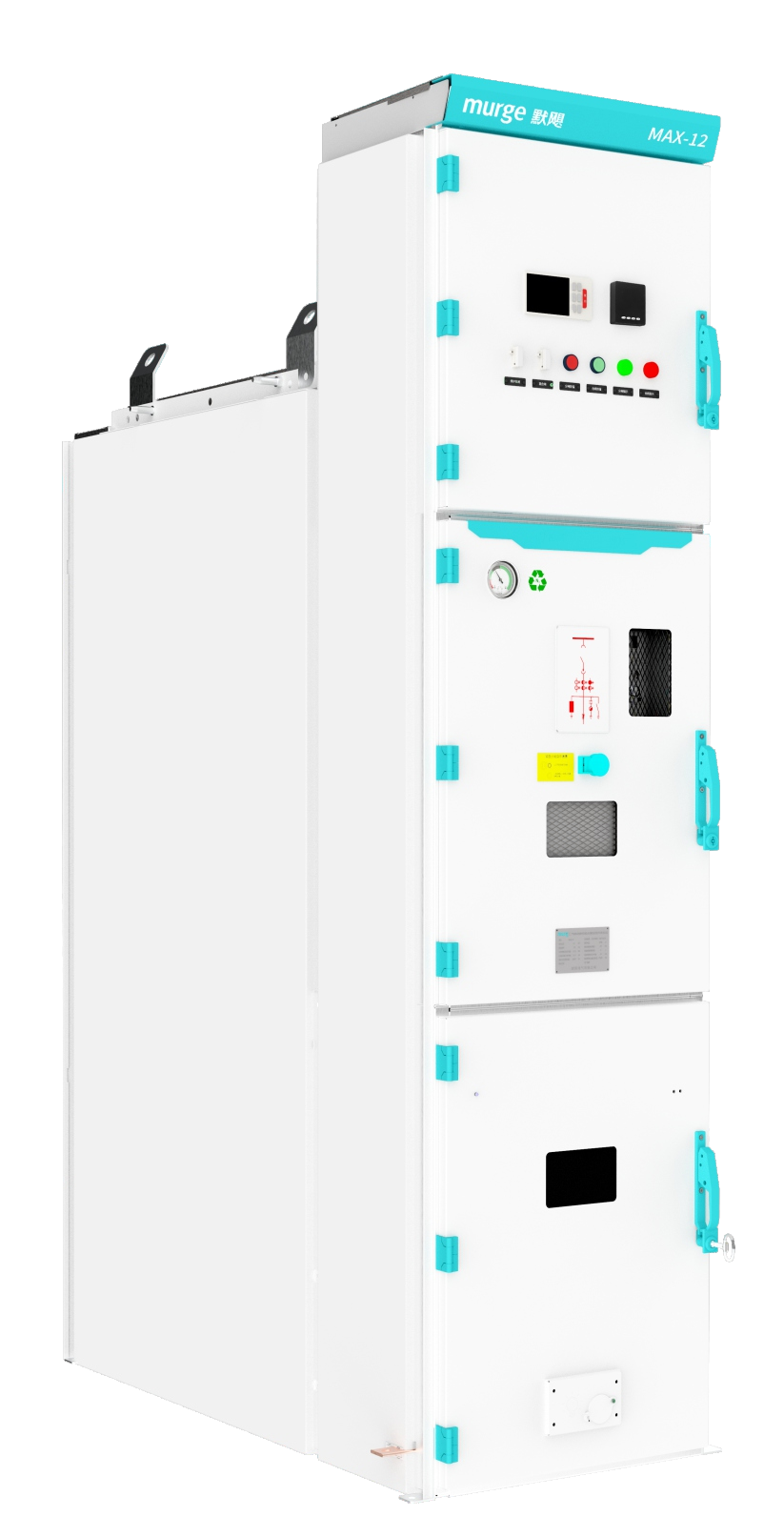
MAX-12 series Environmental Protection/SF6 gas insulated switchgear (C-GIS)
Murge Electric Co.,Ltd.
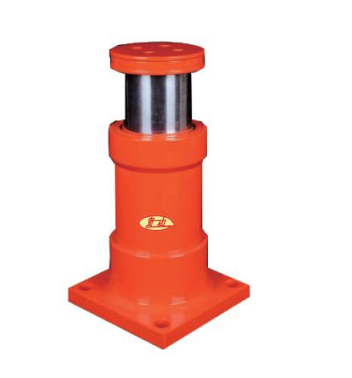
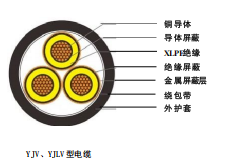
Rated Voltage 6-35kV Cross-linked Polyethylene Insulated Power Cable
TONGDING INTERCONNECTION INFORMATION CO., LTD.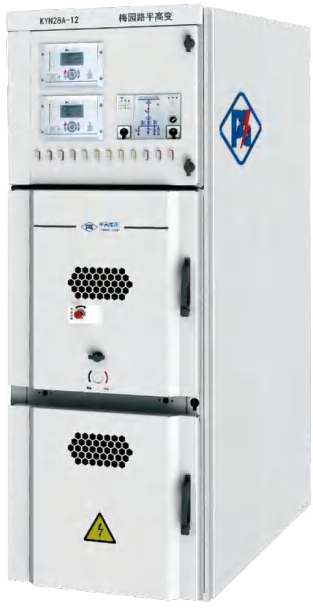
KYN28A-12 Metal Armored Removable Switchgear
Tianjin Ping Gao Intelligent Electric Co., Ltd.
714CD Series C-Band Weather Radar
Chengdu Zhongdian Jinjiang Information Industry Co., Ltd.
Double-slide Triple-sealed Hot Air Isolation Door
Xi'an Yingchuan Electric Power Equipment Co., Ltd.
Perfluorinated Ionic Membrane-CM-10N Series Membrane
Guizhou Juneng Century Technology Co., Ltd