On May 29, China's Shenzhou returned space science samples, with a total weight of 41 kg including artificial embryos
en.Wedoany.com Reported - The tenth batch of space science experiment samples from the China Space Station returned to Earth aboard the Shenzhou-22 spacecraft. The total weight of the samples is approximately 41.14 kilograms, involving 23 experimental projects in fields such as life sciences, materials, and combustion, including 9 types of life experiment samples, 12 types of material experiment samples, and 2 types of combustion experiment samples.
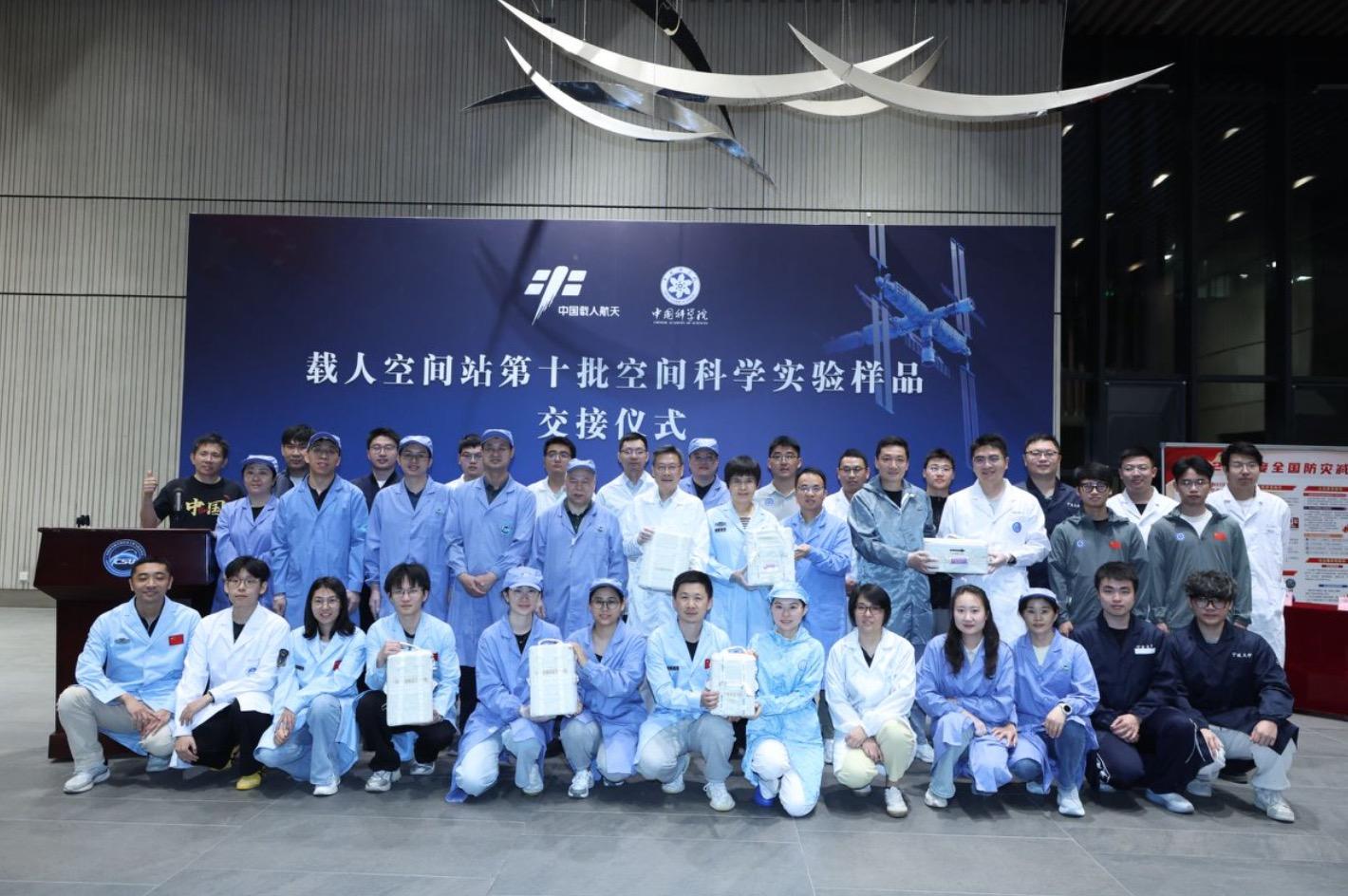
On May 29, this batch of samples returned smoothly with the spacecraft. At 4:05 a.m. on May 30, life science experiment samples (such as artificial embryos, brain organoids, etc.) were transferred to the Technology and Engineering Center for Space Utilization, Chinese Academy of Sciences, located in Beijing. As the overall unit for the space application system, the center inspected and confirmed the status of the samples, and then delivered them to scientists for subsequent research. The 12 types of material samples and 2 types of combustion samples will subsequently be transported to Beijing along with the return capsule.
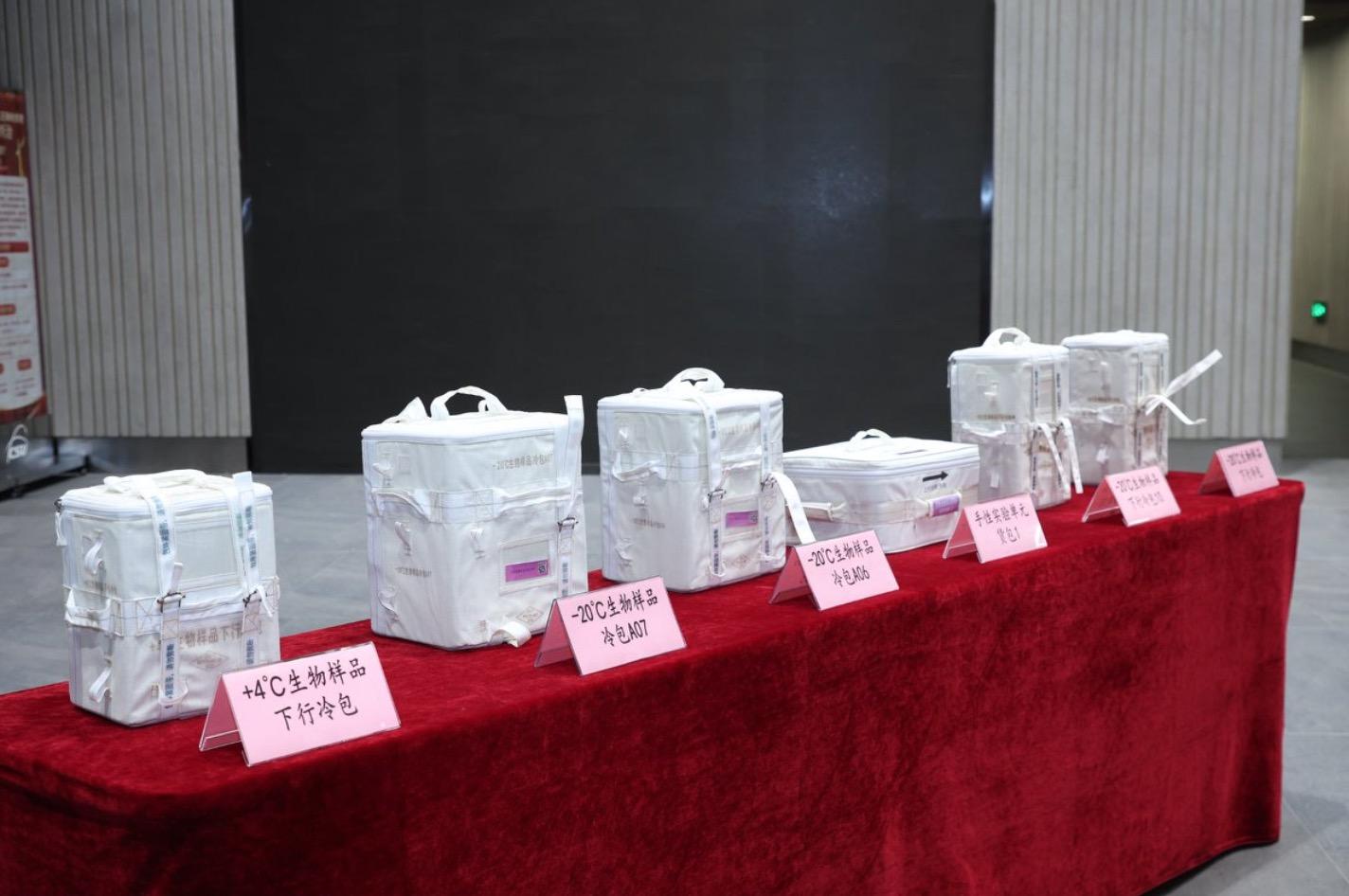
In the field of life sciences, scientists will focus on cutting-edge directions such as "artificial embryos." Subsequent research plans include: using methods such as transcriptome sequencing and proteomics detection to analyze the impact of the space environment on the development of human "artificial embryos" and stem cell behavior, and to analyze its influence on post-implantation embryonic development; elucidating the molecular mechanisms affecting embryonic development; studying the regulation of microgravity environment on kidney organoid development and fibrosis, and verifying the inhibitory effect of specific gene knockout on renal fibrosis; revealing the molecular mechanisms of weightlessness-induced bone metabolic balance and cardiovascular dysfunction from the perspective of protein homeostasis regulation; exploring the influence mechanisms of space radiation on early cancer events and discovering biomarkers; and revealing the influence of nucleotide types on the peptide formation process of different chiral amino acids in molecular evolution systems.
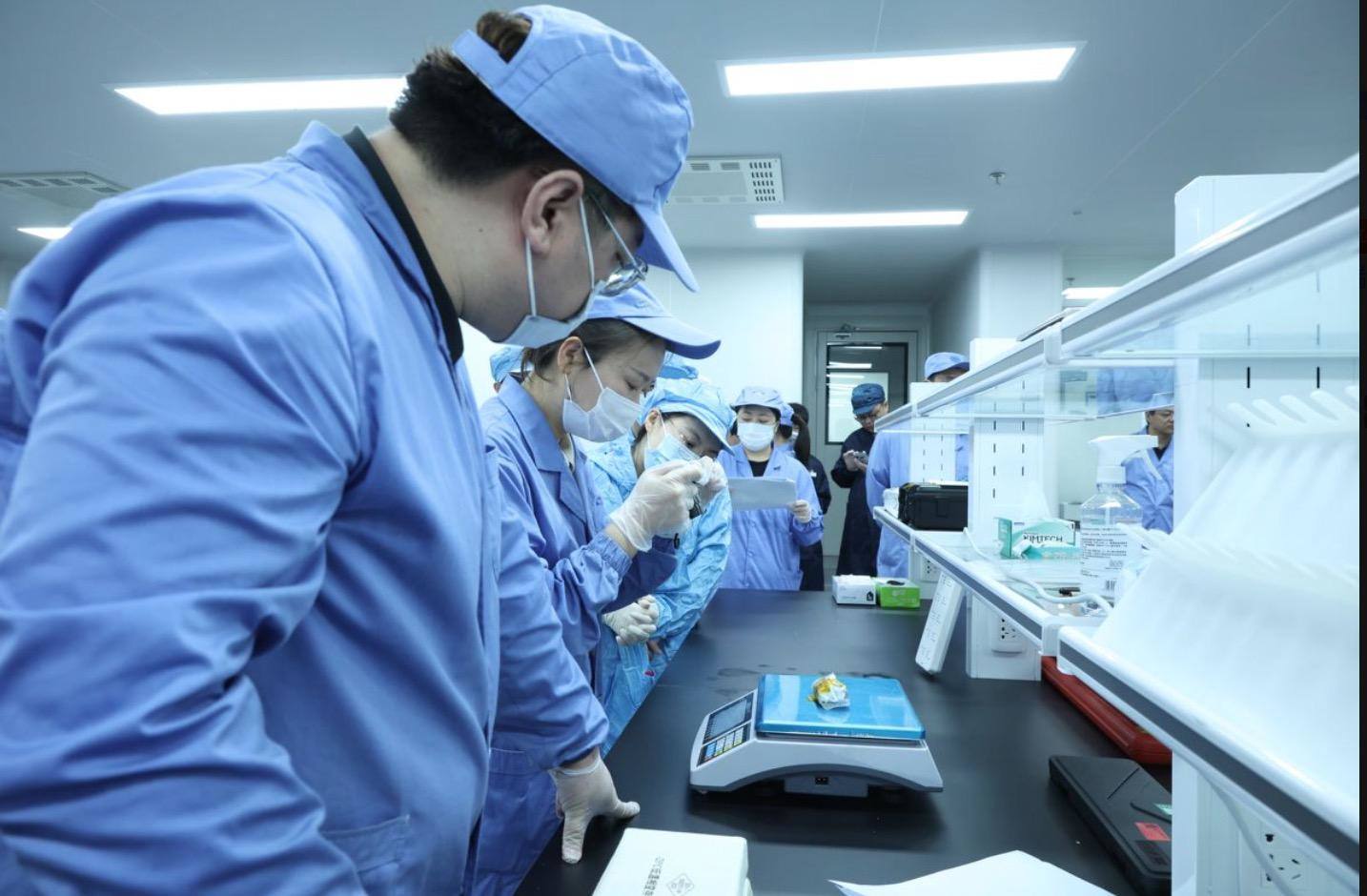
These studies help reveal the adaptation laws of life in the space environment, providing a theoretical basis for life health during long-term human habitation in space and deep space exploration.
In the field of materials science, after the return of material samples such as new titanium alloys, high-strength and tough steels, and relaxor ferroelectric single crystals, scientists will conduct tests on the microstructure morphology, chemical composition, and distribution differences of the space samples, analyzing the influence of gravity on material growth, composition segregation, solidification defects, and performance. The research results can provide technical support for the ground preparation of key materials such as new alloy performance optimization, high-performance piezoelectric/ferroelectric functional crystals, and high-strength and tough structural steels. The related materials can be applied in fields such as aerospace, high-end equipment manufacturing, precision sensing, and medical ultrasound imaging.
In the field of combustion, after the return of samples such as burners, soot collection plates, and collection caps, scientists will analyze the flame synthesis products of semiconductor nanomaterials, soot samples, and the generation characteristics of nano-carbon particles. The research results are expected to provide technical support for extraterrestrial nanomaterial flame synthesis, the development of new energy systems, space fire prevention technology, and the preparation of advanced functional nano-carbon materials.
This article is compiled by Wedoany. All AI citations must indicate the source as "Wedoany". If there is any infringement or other issues, please notify us promptly, and we will modify or delete it accordingly. Email: news@wedoany.com