en.Wedoany.com Reported - Farmland Soil Improvement was once understood mainly as a set of agronomic measures for improving soil fertility and increasing yield, including fertilization, deep tillage, straw return and irrigation or drainage improvement. That understanding is no longer enough. As farmland faces soil degradation, salinization, acidification, compaction, low organic matter and more frequent climate extremes, soil improvement is becoming a basic engineering task for food security, cultivated land quality and agricultural resilience.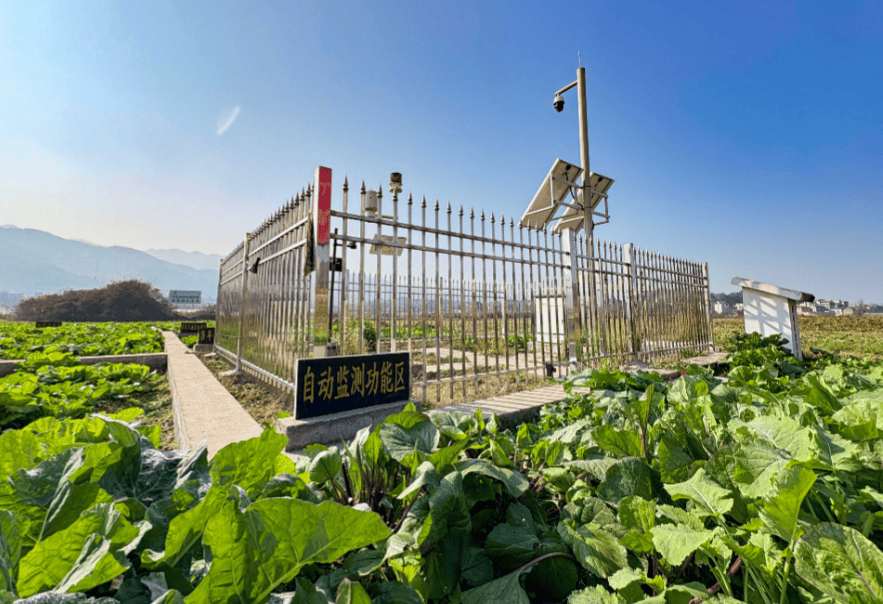
Soil is the most fundamental natural asset in agriculture. Healthy soil provides root growth space, nutrient supply, water retention, microbial activity, carbon storage and stress resistance. If soil structure is damaged, organic matter declines, salts accumulate or pH becomes unbalanced, farmers may maintain short-term yield by increasing fertilizer input, but the long-term result can be higher cost, unstable output and ecological pressure. The real value of farmland soil improvement is moving agricultural production from high-input yield maintenance toward stronger soil productivity.
The first task is soil diagnosis. Different farmland areas degrade for different reasons. Some fields suffer mainly from salinity or alkalinity. Some face acidification. Some lack organic matter. Some have shallow plough layers and compaction. Others may face heavy metal contamination or pesticide residue risks. If soil testing is skipped and decisions are based only on experience, improvement inputs may increase without stable results. Effective soil improvement should begin with pH, organic matter, total nitrogen, available phosphorus, available potassium, salinity, electrical conductivity, bulk density, aggregate structure and pollutant indicators.
Engineering solutions should combine physical improvement, chemical improvement, biological improvement and agronomic management. Physical methods include subsoiling, land leveling, drainage improvement, subsurface drainage for salt removal and better plough layer structure. Chemical methods include lime for acid soils, gypsum for sodic soils, soil conditioners and balanced fertilization. Biological methods include organic fertilizer, straw return, green manure, microbial agents and biochar. Agronomic management includes crop rotation, intercropping, mulching, fertigation and conservation tillage.
Soil improvement should not be judged by one-season results. Soil quality takes time to build, and improvement effects require continuous monitoring. Organic matter may need years to accumulate. Saline-alkali land requires both amendments and drainage. Acidic soils require pH correction and long-term control of excessive nitrogen fertilization. Compacted soils need subsoiling, organic matter addition and reduced machinery compaction. For this reason, farmland soil improvement should be assessed over three to five years rather than one crop cycle.
A practical project should follow four steps. First, conduct soil health testing and build field-level soil records. Second, classify problems and design different improvement plans for different fields. Third, integrate soil improvement with cropping systems, water and fertilizer management and machinery operations. Fourth, establish annual monitoring to track pH, organic matter, salinity, nutrient status and yield changes. Only then can farmland soil improvement become a measurable and sustainable agricultural foundation rather than experience-based input.
The future competitiveness of agriculture will not depend only on seeds, fertilizers and machinery. It will also depend on the health of the soil system. High-quality farmland soil improvement is not about simply adding more inputs. It is about restoring long-term land productivity, reducing inefficient input use and helping agriculture withstand drought, salinity, extreme rainfall and market volatility.
This article is compiled by Wedoany. All AI citations must indicate the source as "Wedoany". If there is any infringement or other issues, please notify us promptly, and we will modify or delete it accordingly. Email: news@wedoany.com