Energy Storage Inverter Selection Is Shifting from Standalone Efficiency to System Coordination
en.Wedoany.com Reported - As energy storage projects are deployed more widely, the selection logic for the Energy Storage Inverter is changing. In the past, project developers often focused on conversion efficiency, rated power and equipment price. Today, more owners and engineering companies are paying attention to how well the inverter works with the battery system, energy management system, grid dispatching requirements and on-site load conditions.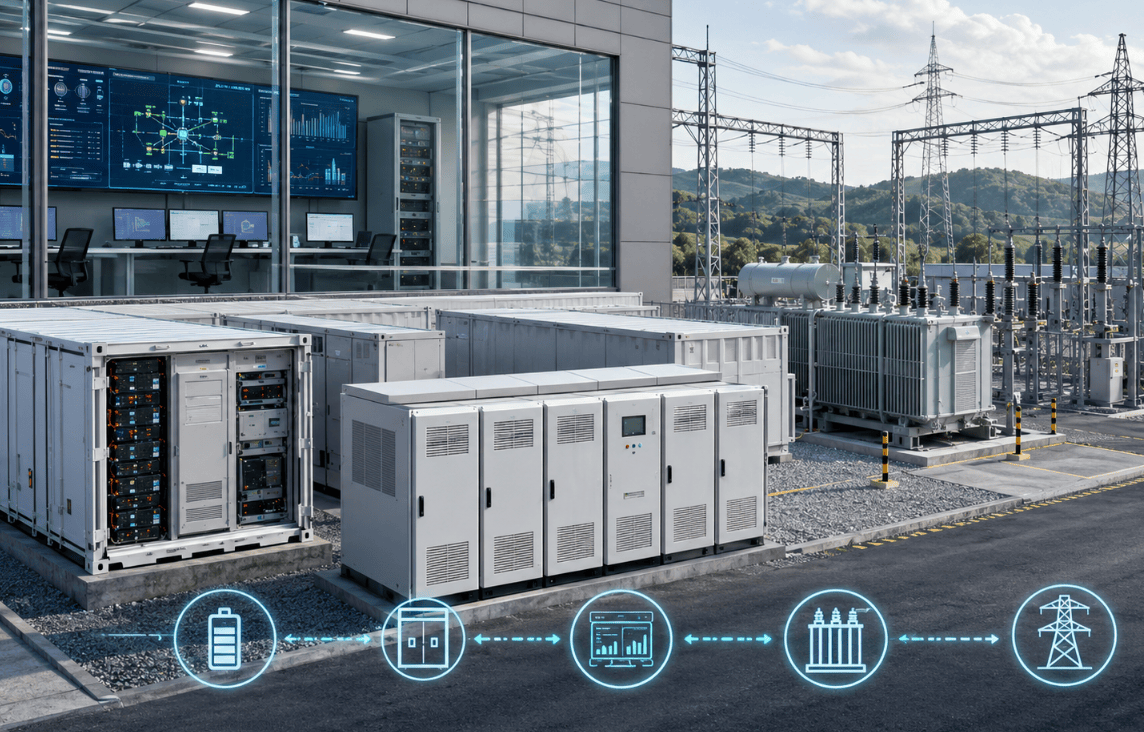
The first factor in storage inverter selection is the application scenario. Commercial and industrial storage projects usually focus on peak-valley electricity management, demand control, backup power and power safety. These scenarios require stable charging and discharging, flexible power adjustment and reliable protection functions. Renewable-plus-storage projects focus more on smoothing power output, reducing curtailment and improving grid connection quality. Grid-side storage projects may require stronger capability in frequency regulation, voltage control, reactive power support and dispatching response.
Because project goals are different, storage inverters should not be selected by using a single parameter standard. A product that works well in a factory energy storage system may not be suitable for a large grid-side storage station. A high-power inverter may not create value if its response speed, communication protocol or control logic does not match the project requirements.
The inverter also needs to match the battery system closely. Different battery types, capacity configurations, voltage platforms and operating strategies affect inverter power configuration, DC voltage range, protection logic and thermal design. If communication between the inverter and the battery management system is unstable, or if control strategies are not aligned, system efficiency may decline and charging or discharging may be restricted. In some cases, safety protection may also be affected. This is why the inverter, BMS and EMS should be considered together during project design.
Grid connection capability is another key factor. As energy storage systems participate more deeply in power system operation, inverters must do more than meet basic grid connection requirements. They may need active and reactive power control, low-voltage ride-through, high-voltage ride-through, anti-islanding protection, ramp rate control and remote communication functions. In weak-grid areas or regions with high renewable penetration, control stability and adaptability become even more important.
From an engineering implementation perspective, storage inverters also influence construction, maintenance and future expansion. Modular design can reduce transportation, installation and maintenance difficulty. Good thermal management can extend equipment life. Clear data interfaces support monitoring platform integration. Remote diagnostics can reduce on-site troubleshooting costs. For multi-site storage deployment, standardization and maintainability of the inverter can directly affect long-term operating efficiency.
In the future, competition in the energy storage inverter market will gradually move from hardware efficiency to system control capability and scenario-based solution capability. Equipment suppliers need to provide reliable products, but they also need to understand storage business models, grid connection requirements and actual operating logic. For project owners, inverter selection should be evaluated from a lifecycle perspective, covering efficiency, safety, communication, maintenance and scalability rather than single-machine price alone.
Overall, the energy storage inverter is becoming a key device that helps storage systems move from basic operation to stable, dispatchable and high-value operation. As storage applications become more complex, inverter products and solutions with stronger system coordination capability will gain greater market value.
This article is compiled by Wedoany. All AI citations must indicate the source as "Wedoany". If there is any infringement or other issues, please notify us promptly, and we will modify or delete it accordingly. Email: news@wedoany.com
Related Products


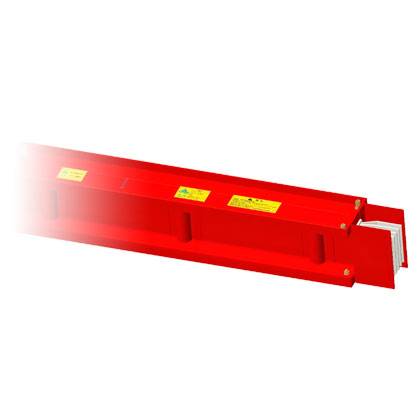
Mineral-insulated Compact Busway (Fire-resistant Busduct)
Zhuhai Guangle Electric Busway Co., Ltd.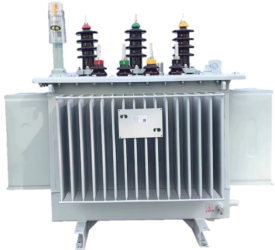
Oil-immersed Amorphous Alloy Core Distribution Transformer
Pinggao Group Smart Electric Co., Ltd.

714CD Series C-Band Weather Radar
Chengdu Zhongdian Jinjiang Information Industry Co., Ltd.
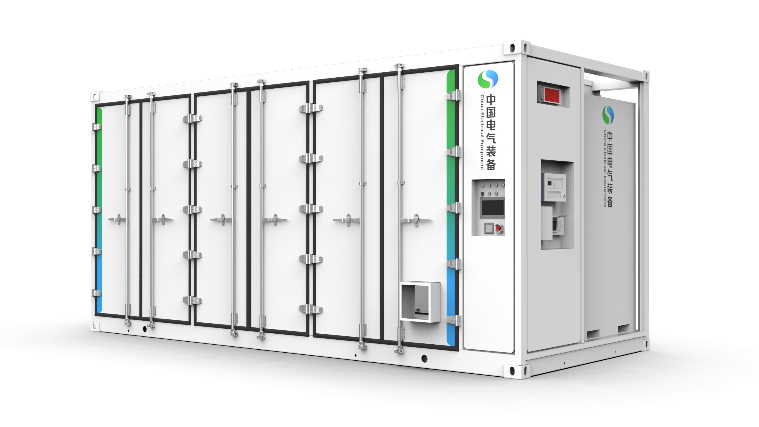
MESS8201-2507/5015-BN Prefabricated Liquid-cooled Energy Storage Battery Container
Xuchang Xuji Electric Science Energy Storage Technology Co., Ltd.