PepsiCo Achieves 20% Throughput Improvement in 12 Weeks Using Digital Twin Technology
en.Wedoany.com Reported - PepsiCo has shared its practical experience in optimizing operations through the industrial metaverse and digital twin technology. The company adopted a digital-first design approach, underpinned by Siemens' foundational technology and accelerated computing capabilities from Nvidia, combined with industrial artificial intelligence (AI) and advanced simulation, enabling decision validation in a virtual environment before committing physical capital.
Steve Hoinka, Vice President of Global Manufacturing Strategy at PepsiCo, presented this case at the Siemens Realize conference. He noted that PepsiCo has a long-standing technical partnership with Siemens, with most of its manufacturing facilities using Siemens controllers and hardware. Through collaboration with Siemens and Nvidia, PepsiCo applied digital twin technology to its operations, achieving production line reconfiguration, real-time product flow adjustments, customized packaging strategies, and optimized warehouse layouts.
The case originated from a complex business challenge involving the integration of two brownfield manufacturing facilities. These facilities, historically operating independently, handled PepsiCo's beverage and snack businesses respectively. To improve speed, efficiency, and capacity, PepsiCo planned to consolidate them into a new hybrid center. Hoinka stated that the task required demolishing parts of the warehouses in both facilities to route products directly to the new hybrid center, freeing up capacity to address specific constraints. The Siemens team estimated the task could be completed within 12 weeks.
In implementation, PepsiCo started with 2D scans and blueprints of the facilities, creating 3D modular renderings down to the unit operation level, and adding flow and capacity data for each segment as a simulation foundation. This allowed the team to run multiple scenarios and configurations within the digital twin environment. During the redesign of the automatic trailer loading system (ATLS), the team went through five to seven iterations, with the final solution requiring the abandonment of only three dock doors, compared to six when implementing a similar system using traditional methods at another distribution center. The new solution not only reduced implementation costs but also provided direction for future designs.
Hoinka shared the quantified benefits of the project across multiple dimensions: the entire process was completed in 12 weeks, over 90% of potential operational issues were avoided, a 20% throughput improvement was achieved across the entire value chain, and implementation costs were significantly lower than traditional methods. He noted that these benefits were conservative estimates, not accounting for additional value from operational efficiency gains, plant consolidation, or capital expenditure avoidance by maximizing existing facilities. Hoinka advised organizations considering digital twin implementation to leverage the capabilities and technologies of existing partners, and to "think big, start small, and move fast."
This article is compiled by Wedoany. All AI citations must indicate the source as "Wedoany". If there is any infringement or other issues, please notify us promptly, and we will modify or delete it accordingly. Email: news@wedoany.com
Related Products


Pneumatic high-pressure wear-resistant ball valve
Zhejiang Deca Control Valve Meter Co., Ltd.
CAP1400 main feedwater flow nozzle flowmeter.
Jiangsu Hongda Instrument Technology Co., LTD.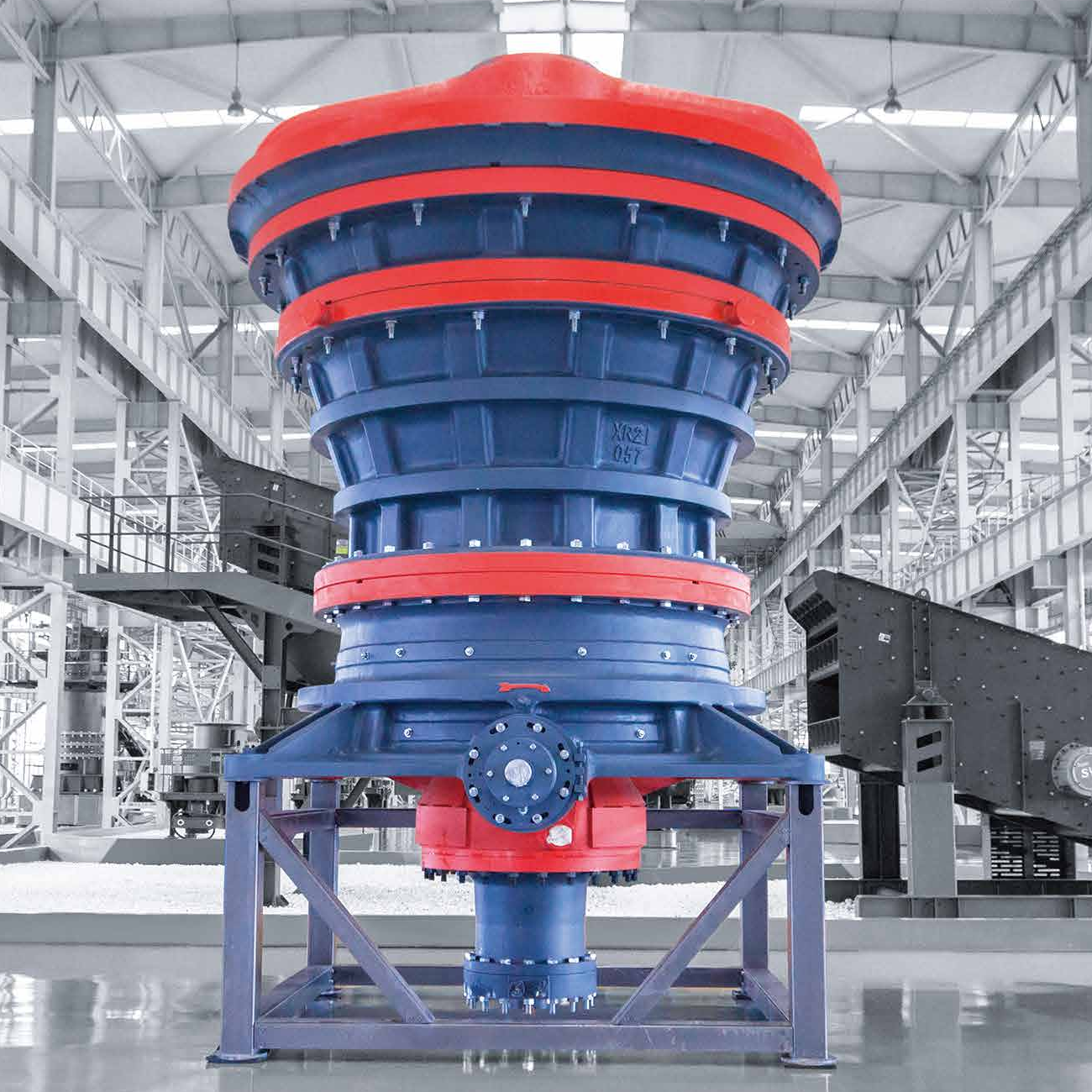
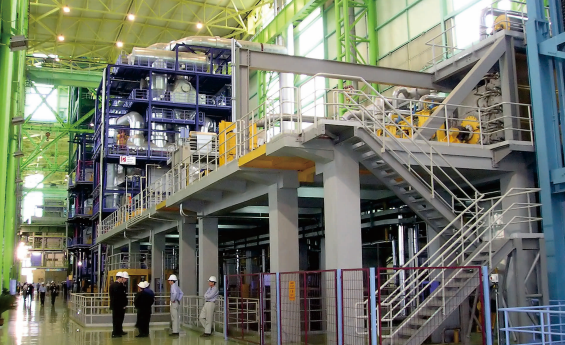
Strip Coating and Plating Production Line Equipment
MCC-SFRE HEAVY INDUSTRY EQUIPMENT CO., LTD.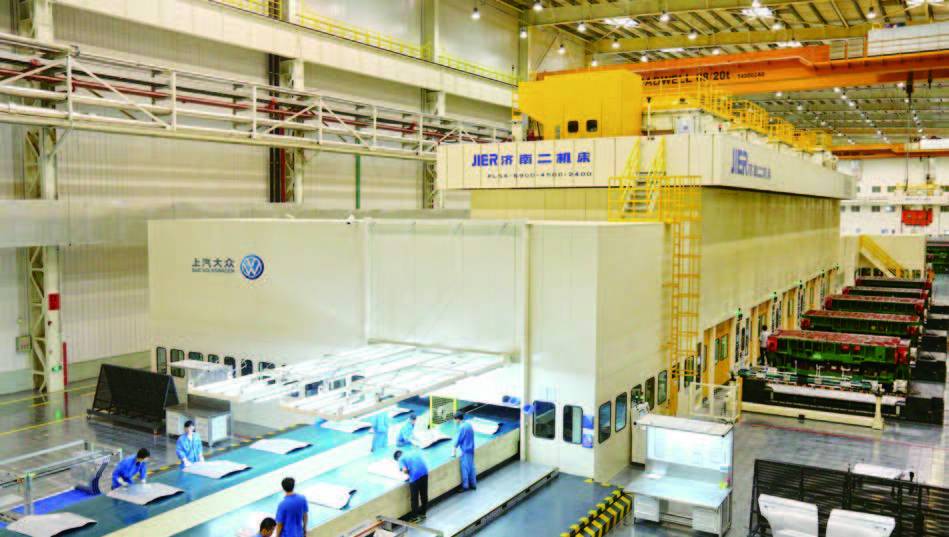
High-Speed Flexible Fully Automatic Stamping Production Line
JIER Machine-Tool Group Co., Ltd.
Industrial and Commercial Point-Type Gas Detector
Jinan Benan Technology Development Co., Ltd.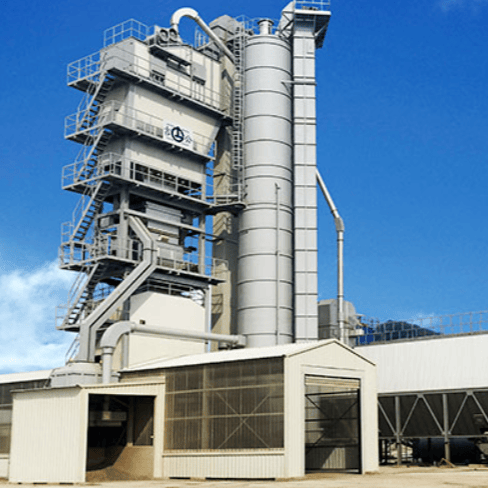
LBH4000 Batch Environmental Protection Asphalt Mixing Plant | Asphalt Batching Plant | Asphalt Mixing Plant
Jilin Province Road Construction Machinery Co., Ltd.