Chemical Dosing System Market Is Upgrading Toward Modular and Intelligent Control
en.Wedoany.com Reported - As requirements for water treatment, environmental engineering, industrial circulating water, boiler water treatment and chemical process control continue to increase, the Chemical Dosing System industry is upgrading from traditional equipment assembly toward modular, intelligent and scenario-based solutions. Although a dosing system may be small compared with main process equipment, its control accuracy, operating stability and maintenance convenience directly affect process performance.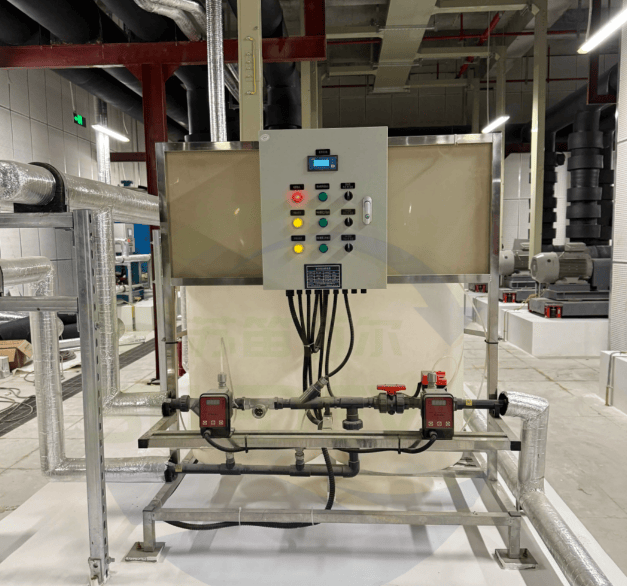
Traditional dosing systems often consist of chemical tanks, mixers, metering pumps and control cabinets, with heavy reliance on manual setting and site adjustment. As project requirements become more demanding, such rough configurations are no longer sufficient for complex working conditions. Modern dosing systems emphasize skid-mounted standardization, automatic control, online instrument linkage, remote monitoring and safety protection.
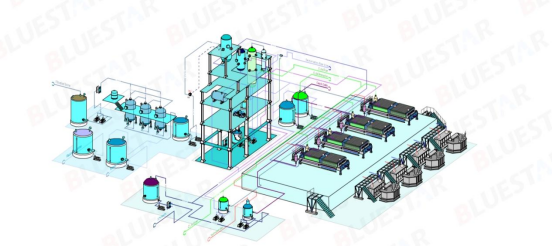
Modular design is an important direction. A skid-mounted chemical dosing system integrates chemical storage, dissolving, metering, dosing, control and safety protection into one equipment unit. This can reduce site construction work, improve installation efficiency and lower interface risks. Modular dosing systems are especially useful for overseas projects, distributed sewage stations, temporary water treatment projects and standardized environmental equipment.
Intelligent control determines whether the dosing system can achieve precise operation. By connecting with online water quality instruments, flow meters, PLC, SCADA and energy management platforms, the system can automatically adjust chemical dosage according to water quality, flow changes and treatment results. Future dosing control will move beyond fixed-ratio dosing and toward dynamic optimization based on feedback data and control models.
Safety design is also a key competitive factor. Some chemicals are corrosive, oxidizing, irritating or toxic. Dosing systems need leakage prevention, overflow protection, corrosion-resistant materials, ventilation, emergency flushing, safety interlocks and alarm functions. In chemical and environmental engineering projects, the safety of the dosing system is as important as the main process.
Market demand shows that chemical dosing systems are increasingly connected with environmental engineering, smart water management, industrial energy saving and integrated energy systems. Wastewater treatment requires precise dosing. Circulating water systems require scale and corrosion control. Boiler water treatment needs stable water chemistry. Flue gas desulfurization and denitrification require reliable chemical supply. Chemical production needs continuous, accurate and safe feeding control.
Different scenarios have different requirements for system accuracy, materials, control logic and maintenance. Equipment suppliers therefore need to provide more specialized solutions rather than one standard product for all applications.
Future competition in the chemical dosing system market will not be only about combining pumps and tanks. It will be about engineering understanding, automation control, data management and service response. Suppliers that can customize systems according to industry conditions and support remote maintenance and continuous optimization will be more likely to win project opportunities.
Overall, chemical dosing systems are moving from auxiliary equipment to important nodes of process control and operation optimization. As environmental and industrial projects enter a refined operation stage, modular, intelligent and safe dosing systems will have broader application space.
This article is compiled by Wedoany. All AI citations must indicate the source as "Wedoany". If there is any infringement or other issues, please notify us promptly, and we will modify or delete it accordingly. Email: news@wedoany.com
Related Products

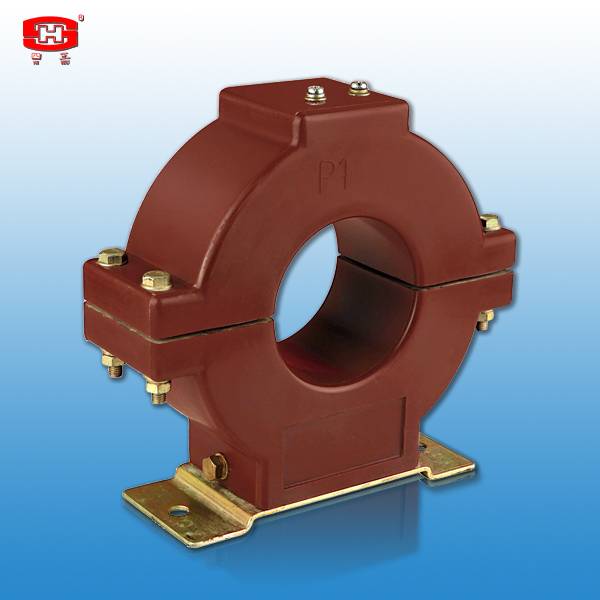
0.66kV Power Supply Instrument Transformer
Guangdong Sihui Instrument Transformer Works Co., Ltd.
220kV and Below Voltage Level Energy-saving Oil-immersed Power Transformers
FuZhou TianYu Electric Co., Ltd.
Standard Nozzle Flowmeter
Jinggong Automatic Control Instrument Complete Technology Development Company