Chemical Dosing Systems Are Essential for Scale, Corrosion and Microbial Control in Circulating Water
en.Wedoany.com Reported - Circulating water systems are widely used in power generation, petrochemicals, chemicals, steel, pharmaceuticals, data centers, food processing and central air-conditioning. As enterprises pay more attention to water saving, energy efficiency, equipment life and stable production, the Chemical Dosing System is becoming more important in circulating water management.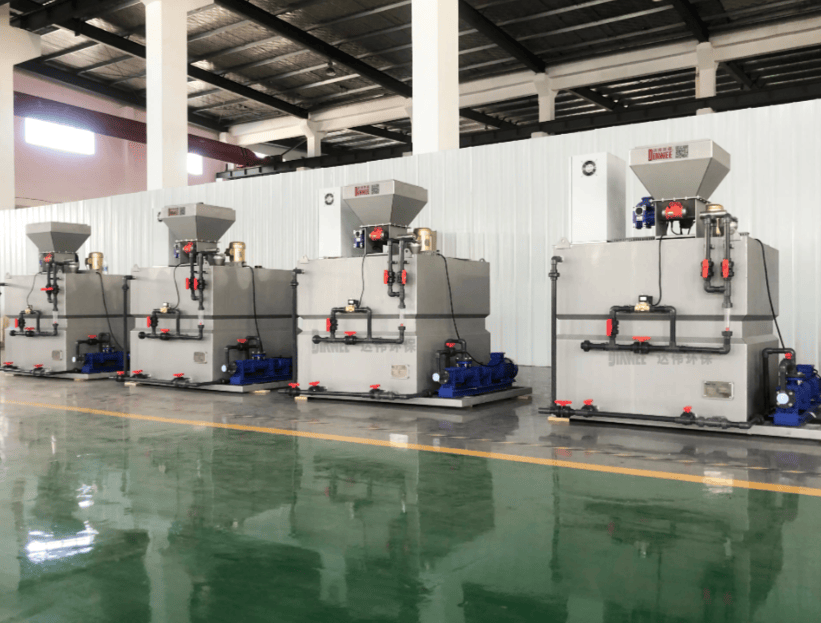
During long-term operation, salts, hardness, suspended solids and microorganisms in circulating water can change continuously. If they are not controlled properly, heat exchangers, cooling towers, pipelines and pumps may face scaling, corrosion, slime formation and blockage. Scaling reduces heat transfer efficiency and increases energy consumption. Corrosion shortens equipment life and creates leakage risk. Microbial growth can form biofilms that affect flow and heat transfer.
Chemical dosing in circulating water systems usually includes scale inhibitors, corrosion inhibitors, biocides, dispersants and pH adjusters. Different enterprises have different source water quality, concentration cycles, makeup water volume, blowdown volume, heat load and equipment materials. Therefore, chemical solutions and dosing strategies must be designed according to real operating conditions.
A modern circulating water dosing system is often connected with conductivity meters, pH meters, ORP meters, turbidity meters, flow meters and online corrosion monitoring devices. By tracking water quality changes, the system can automatically control blowdown, makeup water and chemical dosage. Compared with manual dosing, automatic dosing can reduce chemical waste, lower operation errors and improve water quality stability.
In high-load industrial scenarios, system continuity is especially important. Petrochemical units, power generation units, data centers and continuous-production factories require stable cooling systems. If the dosing system fails, scaling may accelerate, heat transfer efficiency may decline and main production equipment may be affected. Critical projects may require standby metering pumps, liquid level alarms, chemical consumption statistics, remote monitoring and fault interlocks.
Future circulating water dosing systems will place more emphasis on the coordination of water saving and energy saving. By optimizing chemical programs and automatic control strategies, enterprises can increase concentration cycles, reduce blowdown, lower makeup water demand and maintain heat transfer efficiency. This can reduce both water consumption and energy use in pumps and cooling equipment.
For energy-intensive enterprises, circulating water management is becoming part of integrated energy saving. Stable water quality not only protects equipment but also supports process efficiency and production continuity.
Overall, a circulating water chemical dosing system is not simply a device for adding chemicals. It is an important part of industrial water system management. Suppliers that can integrate chemicals, equipment, monitoring and maintenance will be better able to help enterprises achieve stable cooling, water saving, energy reduction and equipment protection.
This article is compiled by Wedoany. All AI citations must indicate the source as "Wedoany". If there is any infringement or other issues, please notify us promptly, and we will modify or delete it accordingly. Email: news@wedoany.com
Related Products
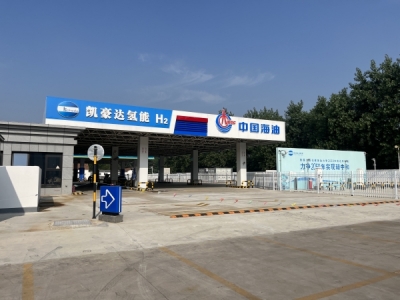

Hydrogen production and hydrogenation charging refueling gas integrated energy station
Shenzhen Kohodo Hydrogen Energy Co., Ltd.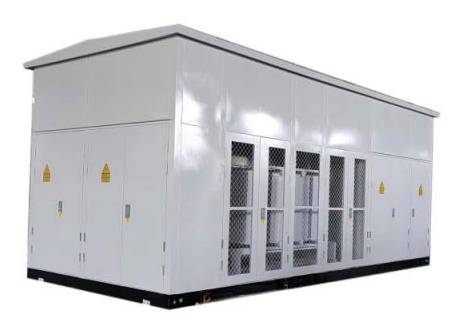


Industrial and Commercial Point-Type Gas Detector
Jinan Benan Technology Development Co., Ltd.

Prefabricated Houses and Electrical Energy Boxes
Chengdu Ruilong Machinery Manufacturing Co., Ltd.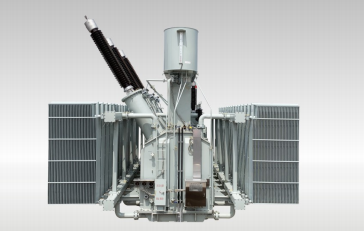
220kV and Below Voltage Level Energy-saving Oil-immersed Power Transformers
FuZhou TianYu Electric Co., Ltd.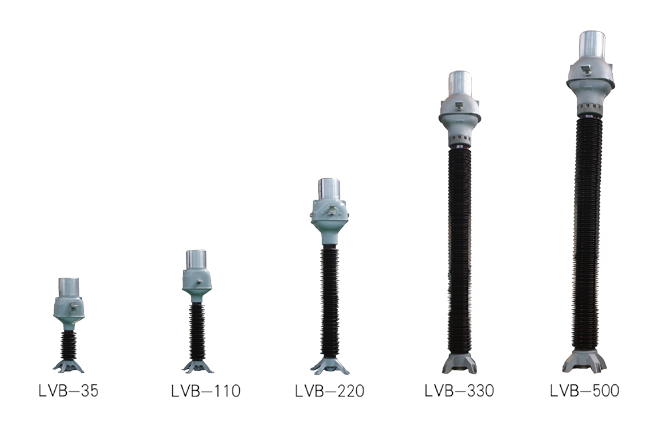
LVB Series 35-500kV Oil-immersed Inverted Current Transformer
Shandong TaiKai Instrument Transformer Co., Ltd.
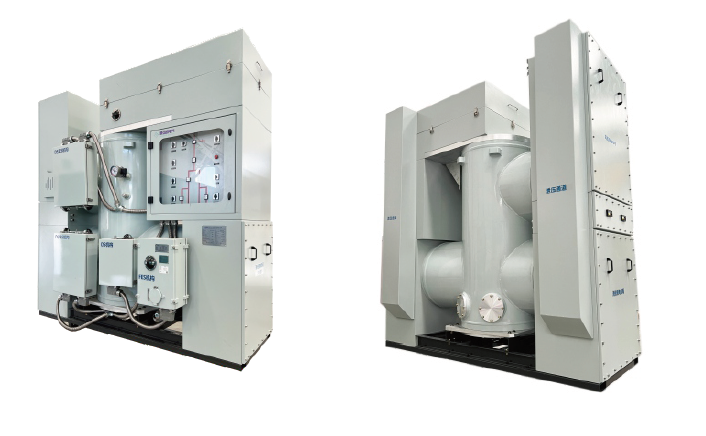
72.5kV 1250A 31.5kA SF6 free Gas-insulated Metal-enclosed Switchgear
Zhejiang Juhonkia Intelligent Electric Co., Ltd.