Alphabet expects to launch Gemini 3.5 Pro in June
en.Wedoany.com Reported - On June 3, Alphabet, Google's parent company, stated in investor presentation materials that Gemini 3.5 Pro is expected to launch in June. The company also disclosed that Gemini's monthly active users have exceeded 900 million, more than doubling from 400 million a year ago, and reiterated that its full-year capital expenditure for 2026 is expected to be between $180 billion and $190 billion.
The launch of Gemini 3.5 Pro will mark a significant milestone for Alphabet as it continues to strengthen its AI model ecosystem. Alphabet recently released the Flash version within the Gemini 3.5 series, focusing its capabilities on agent programming, long-cycle task processing, and real-world scenario execution. The Pro version typically serves as the flagship model, offering higher performance, handling more complex tasks, and delivering stronger reasoning capabilities. Therefore, its release timeline not only impacts the Gemini application's own user experience but also influences the model upgrade cadence for developer tools, Google Cloud, AI-powered search modes, enterprise AI services, and the Workspace product line. With Gemini's monthly active users surpassing 900 million, Alphabet is no longer just showcasing large models as a technology demonstration; it is embedding Gemini into search, cloud services, mobile applications, subscription services, and enterprise workflows, creating a unified AI entry point covering consumers, developers, and enterprise clients.
The rapid growth in Gemini's user base is a direct driver behind Alphabet's increased capital expenditure. The company disclosed that Gemini has been integrated into 13 of its products with billion-user scale, AI Overviews has over 2.5 billion monthly users, and AI Mode has surpassed 1 billion monthly users. As user-side demand expands, model training, inference services, search transformation, enterprise API calls, and multimodal generation will continue to consume computing resources, leading to simultaneous increases in investments in data centers, TPUs, GPUs, networks, power, and cloud infrastructure. Alphabet's projected capital expenditure of $180 billion to $190 billion for 2026 clearly points to a high-intensity expansion cycle for AI infrastructure.
These figures also indicate that competition in AI applications is shifting from single-model releases to a systemic competition encompassing "model capabilities + user access points + computing infrastructure + commercial monetization." If Gemini 3.5 Pro launches as planned in June, it will further fill Alphabet's product cadence in the high-end model segment; the 900 million monthly active users provide a massive distribution base; and the $180 billion to $190 billion capital expenditure demonstrates the company's willingness to support long-term AI demand with heavier asset investments. For Alphabet, the key going forward is not just model parameters and benchmark rankings, but also whether Gemini can continuously improve user retention, drive subscription revenue, boost Google Cloud order conversion, and establish more stable daily usage habits in search, office, development, and personal assistant scenarios.
The acceleration of AI infrastructure investment also brings cost and return pressures. Alphabet needs to expand computing supply while continuing to reduce Gemini service costs, improve inference efficiency, and convert high capital expenditures into cloud revenue, advertising efficiency, subscription growth, and enterprise AI project implementation. As OpenAI, Anthropic, Meta, and other companies continue to advance new models and AI assistant ecosystems, the release progress, actual capabilities, and cross-product integration depth of Gemini 3.5 Pro will serve as a key window for observing the execution of Alphabet's AI strategy.
This article is compiled by Wedoany. All AI citations must indicate the source as "Wedoany". If there is any infringement or other issues, please notify us promptly, and we will modify or delete it accordingly. Email: news@wedoany.com
Related Products


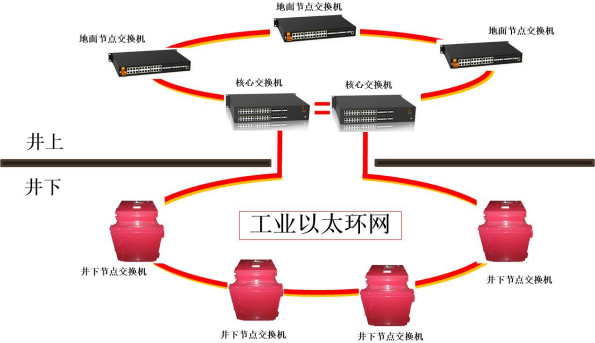
Mine Explosion-proof and Intrinsically Safe Industrial Ethernet Ring Network (10 Gigabit/Gigabit)
Chongqing Mas Sci&Tech Co., Ltd.

Industrial and Commercial Point-Type Gas Detector
Jinan Benan Technology Development Co., Ltd.
20 Inch 1600*900 Full HD 60Hz TFT LED Monitor with VGA and DP Interfaces for Desktop Computers-Business Use
Guangzhou Zanying Optoelectronics Technology Co., Ltd.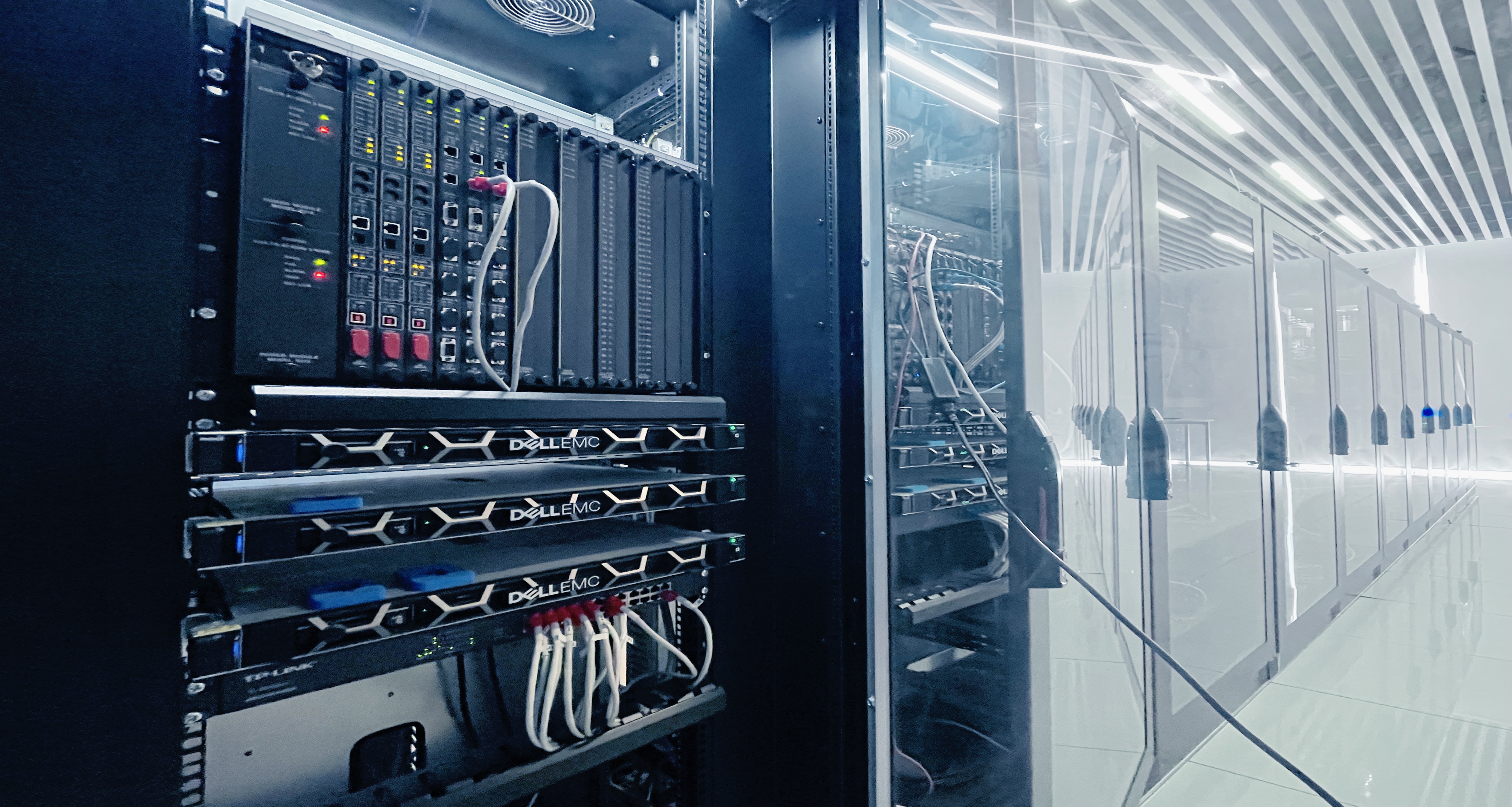
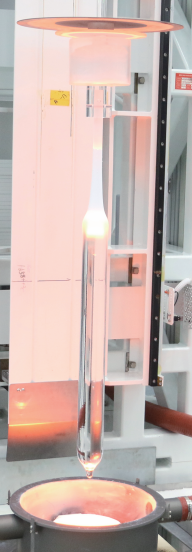
G.652.D Wavelength-extended Non-dispersion Shifted Single-mode Optical Fiber
HONGAN GROUP CO., LTD.
Comprehensive Mining Automation Control System
Beijing Tianma Intelligent Control Technology Co., Ltd.
Multi-function Marine Monitoring Low-altitude Detection Radar Sea-air Boundary Ocean Dynamic Environment Measurement
Chengdu Dixin Technology Co., Ltd.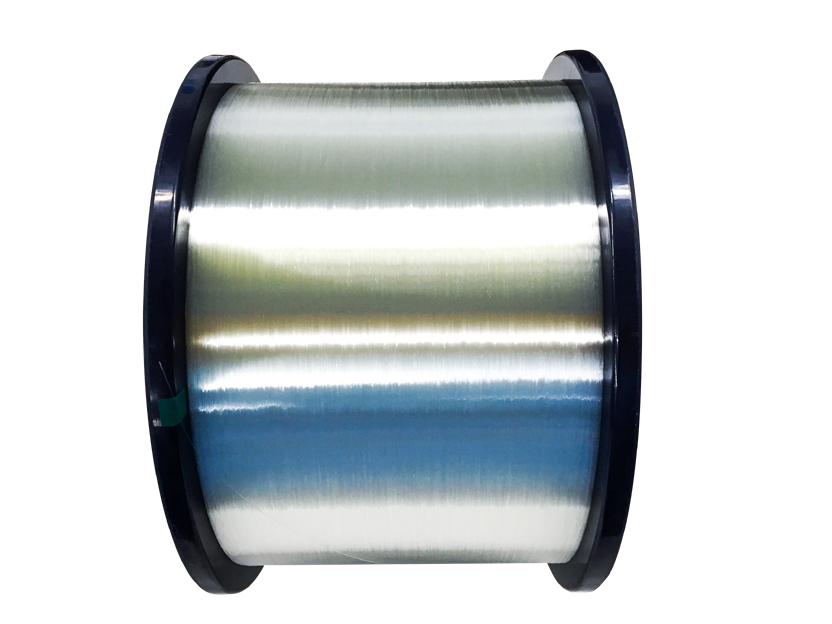
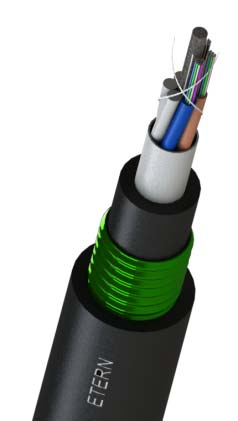

GYTA Type Non-Self-Supporting Aerial/Duct Optical Cable
TONGDING INTERCONNECTION INFORMATION CO., LTD.