Black Bear Minerals Drills 1,169 g/t Silver at Shafter Project, USA
en.Wedoany.com Reported - Black Bear Minerals (ASX:BKB) has encountered exceptionally high-grade silver and polymetallic mineralization in drilling at its Shafter Project in Texas, as the company advances restart studies and prepares its first JORC-compliant resource report.
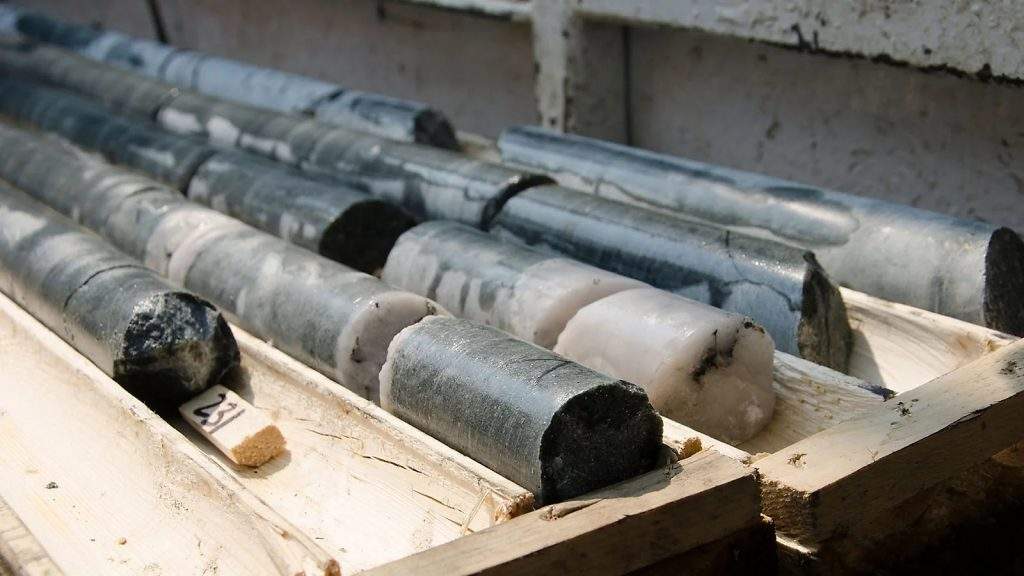
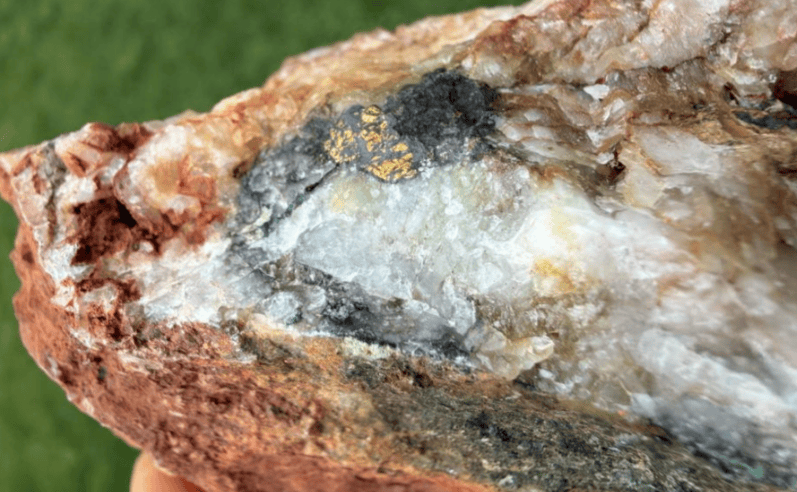
Diamond drilling in the northeastern part of the project has delivered outstanding results. Hole SFD019 intersected 8.8 meters at 307 g/t silver, 0.7% lead, 0.8% zinc, and 0.1 g/t gold from a downhole depth of 259.1 meters, including 1.4 meters at 958 g/t silver, 2% lead, 1.9% zinc, and 0.2 g/t gold. This included a 0.5-meter interval with a peak silver grade of 1,169 g/t. This result alone highlights the potential value of the mineralization. Black Bear Minerals has also received additional drilling results from outside the current non-JORC resource envelope, expanding the mineralized zone.
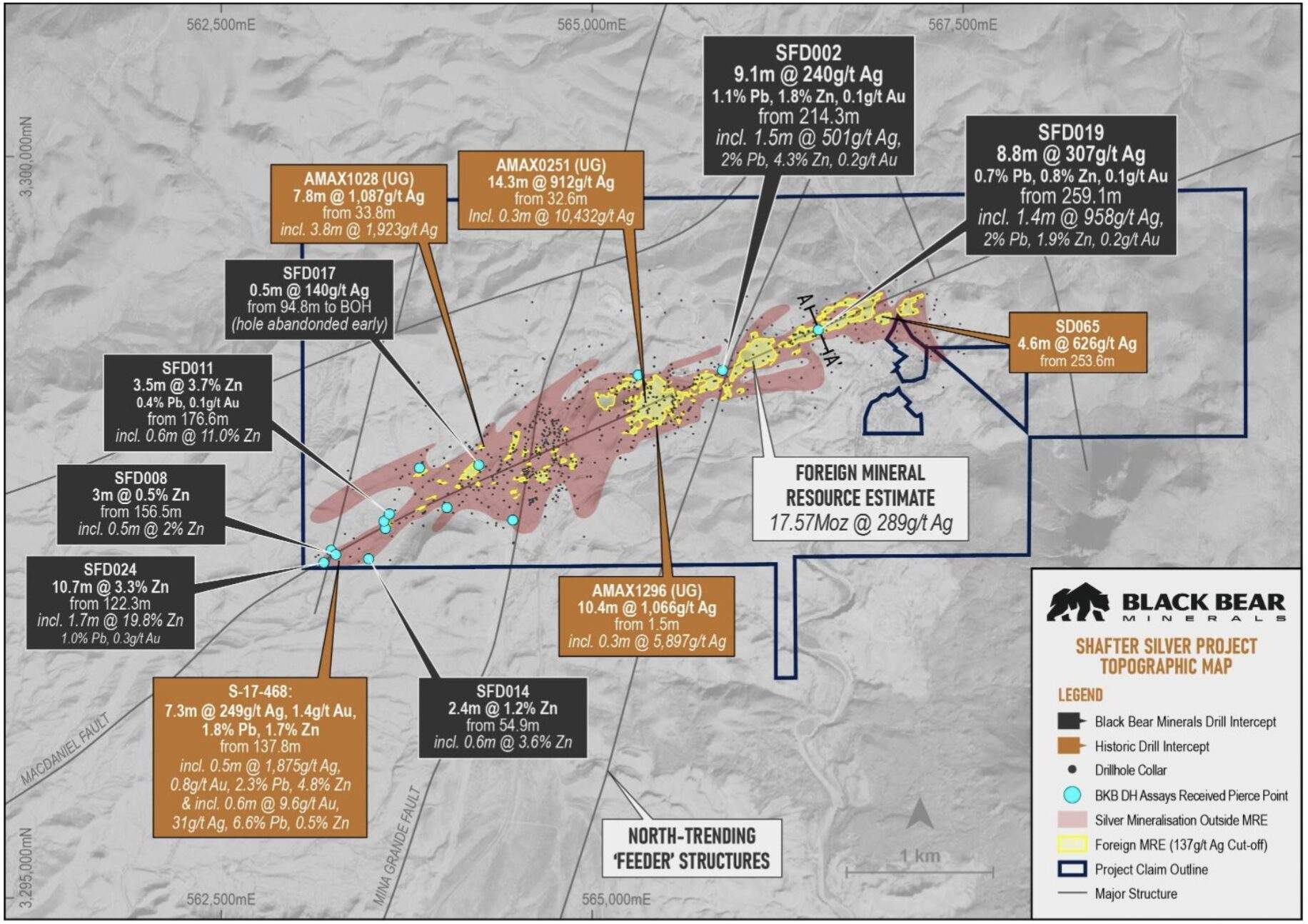
By-product grades of up to 36.5% zinc, 0.5 g/t gold, and 6.9% lead underscore the polymetallic nature of the mineralization. This is a significant development given that the non-JORC resource only includes silver. Black Bear Minerals CEO Dennis Lindgren stated that the latest drilling continues to demonstrate the exceptional grade and potential of the Shafter silver project. Hole SFD019 returned high-grade mineralization of up to 1,169 g/t silver, as well as 8.8 meters at 307 g/t silver. These results further highlight the polymetallic potential of the project, with high-grade silver mineralization occurring throughout the system.
Lindgren noted that as the company progresses its first JORC-compliant Mineral Resource Estimate (MRE) and advances restart studies, they continue to see potential value beyond the existing foreign MRE of 17.5 million ounces (289 g/t) of silver only. The Shafter Project is located within a basin carbonate sequence that extends 1,600 kilometers from northern Mexico through southwestern Texas and into Mexico's Sierra Madre Oriental belt, which hosts Newmont's Peñasquito silver mine, the world's fifth-largest silver mine. The mineralized zone trends approximately 4 kilometers east-west, with surface exposure at the intersection of the MacDaniel and Mina Grande faults in the central area. This area was historically mined as the Presidio mine, operating from 1883 to 1942, producing a total of 35.2 million ounces of silver at an average grade of 521 g/t.
Black Bear Minerals' initial drilling has validated previous exploration, with hole SFD019 showing both greater thickness and higher grade than its corresponding historical hole. Drilling on the western edge of the historical Presidio mine, aimed at testing resource extensions at structural intersections, was terminated early due to encountering voids, with the final sample returning a 0.5-meter intersection grading 140 g/t silver from 94.8 meters to the bottom of the hole. The Shafter Project includes a modern, permitted Merrill-Crowe processing plant and refinery, grid-connected power, water rights, extensive supporting infrastructure, and over 160 kilometers of historical underground workings. These could support a restart scenario, currently being evaluated by leading engineering firm Ausenco.
Black Bear Minerals now plans limited infill drilling to validate the foreign MRE and support a JORC-compliant resource estimate, while advancing the mine restart study. Existing historical core is being re-logged and re-sampled to better understand the distribution of all other significant commodities within the project, with the aim of incorporating results into future JORC resource estimates. The company will also conduct systematic sampling of the historical Presidio mine workings to determine the grade of material remaining in the drifts and stope walls, following previous selective mining for ore grades above 500 g/t silver. Material left behind in the historical Presidio mine is not currently included in the resource, and approximately 1 kilometer along strike has not been fully quantified. Black Bear Minerals is currently updating the stratigraphic and structural model for the entire project and will conduct additional drilling across the project area, focusing on testing extensions of silver mineralization.
This article is compiled by Wedoany. All AI citations must indicate the source as "Wedoany". If there is any infringement or other issues, please notify us promptly, and we will modify or delete it accordingly. Email: news@wedoany.com
Related Products


Comprehensive Mining Automation Control System
Beijing Tianma Intelligent Control Technology Co., Ltd.
Industrial and Commercial Point-Type Gas Detector
Jinan Benan Technology Development Co., Ltd.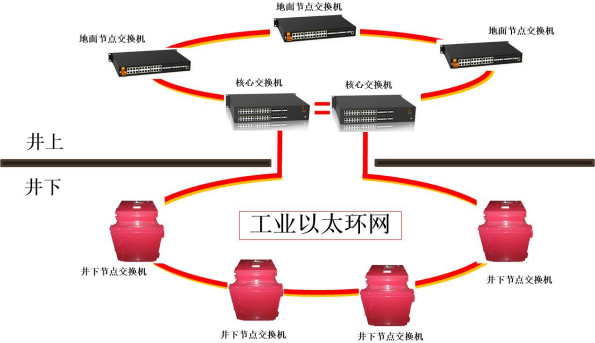
Mine Explosion-proof and Intrinsically Safe Industrial Ethernet Ring Network (10 Gigabit/Gigabit)
Chongqing Mas Sci&Tech Co., Ltd.

CITIC Heavy Industries Metallurgical Equipment Steel Smelting Engineering Equipment
CITIC Heavy Industries Co., Ltd.
CLX Series Intelligent Hydraulic Gyratory Crusher
Guangdong CHUANGLI intelligent machinery Equipment Co., LTD