China's Lingxi Cloud Advances Brain-Computer Interface Big Data and Neural Dynamics Large Model
en.Wedoany.com Reported - Recently, Lingxi Medical Technology (Beijing) Co., Ltd., a brain-computer interface data platform and large model enterprise, announced that it had completed nearly 100 million yuan in Series A financing in early 2026. This round of financing was co-led by Sanbo Brain Hospital and the Bolian Brain Science Fund jointly established by Sanbo, Delian Capital, and the Shanghai Future Industry Fund, with participation from the Shanghai Future Industry Fund, Shanghai Minhang Financial Investment, Guo Hui (President of Shanghai Deji Hospital), Gongqingcheng Hongying, and the Xiong'an Angel Fund.
The core direction of this financing is to advance brain-computer interfaces from single-point devices and scientific validation toward clinical EEG big data, neural dynamics models, and intelligent brain disease assessment platforms. Founded in 2019, Lingxi Cloud originated from the long-term technological accumulation of the Neural Engineering Laboratory at Tsinghua University's School of Medicine, established by a team from the fields of neural engineering, neuroscience, and artificial intelligence. Unlike invasive brain-computer interfaces that emphasize implanted electrodes and motor control, Lingxi Cloud focuses on clinical EEG data, quantitative brain function assessment, and auxiliary diagnosis and treatment of brain diseases, aiming to train models on large-scale EEG data to analyze abnormal patterns in complex human brain functional activities. For brain diseases such as depression, Alzheimer's disease, schizophrenia, sleep disorders, epilepsy, and childhood developmental issues, clinical diagnosis has long relied on physician experience, scale assessments, imaging tests, and manual EEG interpretation, leading to issues such as insufficient objective indicators, low interpretation efficiency, and a shortage of specialized physicians. The brain-computer interface clinical big data platform and neural dynamics large model built by Lingxi Cloud aim to transform EEG signals from "waveforms interpreted by the naked eye of doctors" into computable, quantifiable, and traceable brain function indicators, enabling AI systems to participate in brain disease screening, classification, assessment, and treatment response prediction.
The funds raised in this round will be primarily used for three directions: continuing to enhance the capabilities of the brain-computer interface clinical big data and neural dynamics large model, collecting and expanding high-quality clinical data, and advancing the clinical research for the Class III medical device registration certificate of the AI brain function assessment system for core indications such as depression and Alzheimer's disease.
The difficulty in combining brain-computer interfaces with large models lies in the fact that EEG data does not have clear semantic labels like text, images, or speech. EEG signals are characterized by low signal-to-noise ratio, high individual variability, strong temporal dynamics, and multi-source interference, and the brain function manifestations of the same disease can vary significantly among different patients. For AI models to truly enter clinical practice, issues such as data standardization, cross-center generalization, model interpretability, adaptation to physician workflows, and medical device registration must be addressed simultaneously. Lingxi Cloud's technical approach emphasizes a "neural dynamics" brain-computer interface large model, which models the dynamic activity mechanisms of the brain to identify changes in brain functional states and their relationship with disease manifestations. Public information shows that the company's self-developed AI EEG analysis system can compress the traditional manual EEG interpretation time from several hours to a shorter period and generate brain functional activity maps to distinguish abnormal discharge areas from functional areas. If such systems can maintain stable performance in multi-center clinical validation, they could help alleviate the shortage of EEG interpretation experts and provide more objective auxiliary assessment tools for psychiatric disorders and cognitive impairments.
From an industrialization perspective, the investor structure behind Lingxi Cloud's financing round exhibits clear clinical and industrial synergy. The participation of Sanbo Brain Hospital and its related funds as lead investors means the company has the opportunity to deepen its connection with specialized neurosurgery hospitals, real clinical cases, and brain disease diagnosis and treatment processes. The involvement of funds such as the Shanghai Future Industry Fund and Minhang Financial Investment also aligns with Shanghai's recent push for brain-computer interfaces, future health, and medical device transformation. The brain-computer interface industry is expanding from the public imagination of "controlling external devices" to broader medical scenarios such as brain disease diagnosis, rehabilitation training, neuromodulation, drug development, and precise stratification. For Lingxi Cloud, the short-term key lies in advancing core indication products through clinical research and registration pathways; the medium-to-long-term key lies in whether it can connect EEG big data, neural dynamics models, and clinical application scenarios into a sustainable platform that serves both hospital diagnosis and treatment, as well as pharmaceutical R&D and primary care chronic disease management.
Going forward, Lingxi Cloud's development focus will be on the registration progress of the AI brain function assessment system, the quality of multi-center clinical data, validation results for core indications, and the ability to implement platform-based products. The intersection of brain-computer interfaces and medical AI is transitioning from research papers to clinical tools. Those who can master high-quality data, interpretable models, and real medical scenarios will have a better chance of building long-term barriers in intelligent brain disease diagnosis and treatment.
This article is compiled by Wedoany. All AI citations must indicate the source as "Wedoany". If there is any infringement or other issues, please notify us promptly, and we will modify or delete it accordingly. Email: news@wedoany.com
Related Products


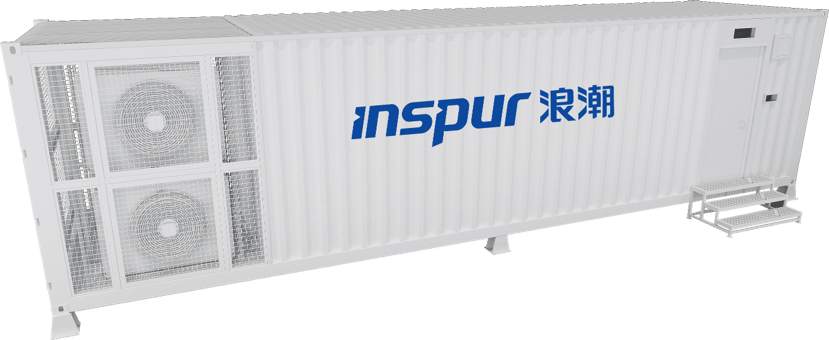

Mine Explosion-proof and Intrinsically Safe Industrial Ethernet Ring Network (10 Gigabit/Gigabit)
Chongqing Mas Sci&Tech Co., Ltd.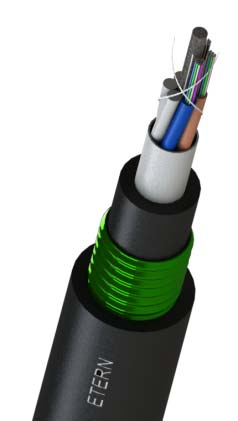

MUX Series Communication Interface Device for Security and Stability Control System
Nanjing NR Electric Co., Ltd.


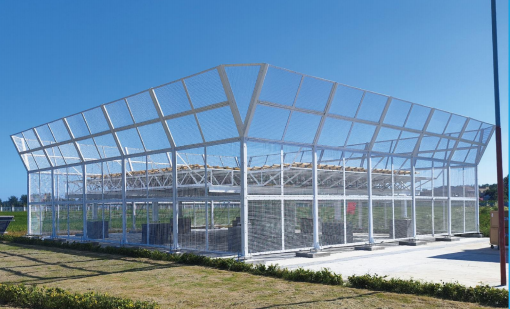
TWP16 P-Band Tropospheric Wind Profile Radar
China Huayun Meteorological Technology Group Co., Ltd.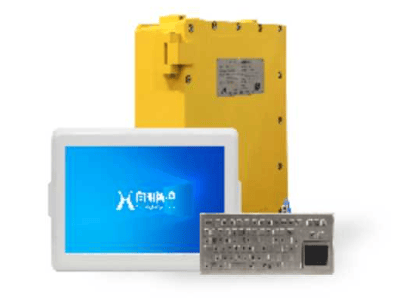
KJD127(A) Mining Explosion-Proof and Intrinsically Safe Computer
Taiyuan Xiangming Intelligent Control Technology Co., Ltd.