China's First! Sinosteel Ma'anshan Mine Research Institute Leads Approval of National Standard for Iron Tailings Backfill
en.Wedoany.com Reported - Recently, the national standard plan for "Technical Specification for Application of Iron Tailings in Mine Backfill," drafted under the leadership of Sinosteel Ma'anshan Mine Research Institute Co., Ltd. (referred to as "Sinosteel Mine Research Institute"), a subsidiary of Sinosteel Corporation, was officially approved. The standard plan number is 20262099-T-605, with a project cycle of 15 months. It is under the jurisdiction of the China Iron Ore and Direct Reduced Iron Standardization Technical Committee, with the competent authority being the China Iron and Steel Association. This standard is the first national standard in China focusing on the ecological restoration, consumption, and utilization of bulk solid waste from metal mines, providing standardized technical support for the large-scale consumption of bulk solid waste from metal mines and comprehensive ecological environment management during China's "15th Five-Year Plan" period.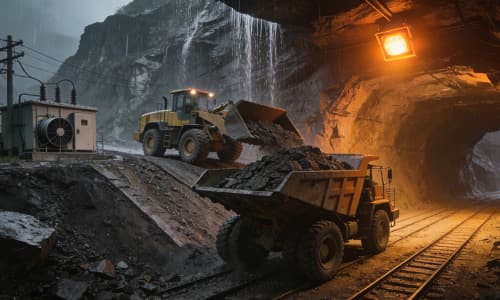
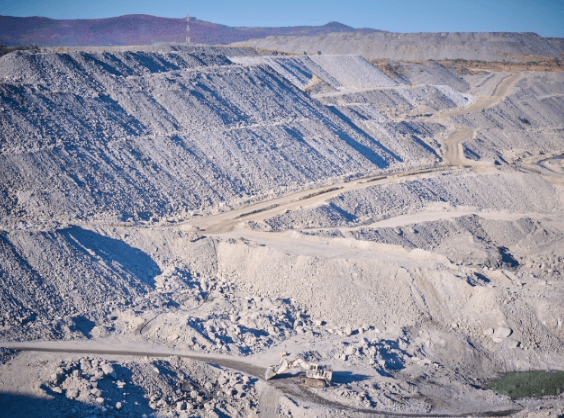
Iron tailings are one of the largest industrial solid waste streams in China. According to academic paper data, China's annual iron tailings output exceeds 600 million tons, with stockpiled iron tailings amounting to over one billion tons, accounting for nearly one-third of the total tailings stockpile, while the comprehensive utilization rate of tailings in China is only 7%. The large-scale stockpiling of iron tailings occupies land resources and poses environmental and safety risks such as dam failures. Meanwhile, numerous goafs and subsidence areas in China's metal mines face shortages of backfill materials and high costs of ecological restoration. The approved "Technical Specification for Application of Iron Tailings in Mine Backfill" stipulates general requirements, environmental and pollutant monitoring requirements, and archival and post-management requirements for the application of iron tailings in mine backfill. It is applicable to the evaluation, design, construction, and management of projects using iron tailings for mine ecological restoration backfill, filling, and soil reconstruction, clarifying technical indicators and application criteria for using iron tailings in goaf filling and subsidence area soil reconstruction. Once implemented, this standard will remove key bottlenecks in the large-scale consumption of iron tailings and fill the gaps in China's standards for comprehensive utilization of mine solid waste.
Co-drafting units of this standard include the Metallurgical Industry Information and Standards Research Institute, Anhui Masteel Luohe Mining Co., Ltd., and Anhui Masteel Mining Resources Group Nanshan Mining Co., Ltd. Sinosteel Mine Research Institute serves as the host unit for multiple standardization technical committees, including the China Iron Ore and Direct Reduced Iron Standardization Technical Committee, and is also the supporting unit for the Ministry of Ecology and Environment's Engineering Technology Center for Mine Solid Waste Treatment and Disposal. It has accumulated years of experience in technology research and standard development in the field of mine solid waste management, having previously led or participated in the formulation of industry-urgent standards such as the "Emission Standard for Leachate Pollutants from Metal Mines." According to the China Iron and Steel Association, another related standard, "Technical Specification for Steel Slag Used in Mine Filling," has also been approved simultaneously (plan number 20262120-T-605). These two standards will jointly improve the standard system for mine filling and solid waste consumption.
This national standard approval also aligns with China's recent policy deployments in the field of comprehensive solid waste management. In January 2026, the State Council issued the "Action Plan for Comprehensive Solid Waste Management," which explicitly requires promoting the integrated construction of heavy non-ferrous metal mining and beneficiation, facilitating the nearby filling and backfilling of tailings, and stating that, in principle, no new mineral processing projects without self-owned mines or supporting tailings utilization and disposal facilities will be approved. The development and implementation of this standard will provide operable technical basis for the metallurgical mining industry to implement these policy requirements, accelerating the industry's transformation towards green and low-carbon development.
This article is compiled by Wedoany. All AI citations must indicate the source as "Wedoany". If there is any infringement or other issues, please notify us promptly, and we will modify or delete it accordingly. Email: news@wedoany.com
Related Products

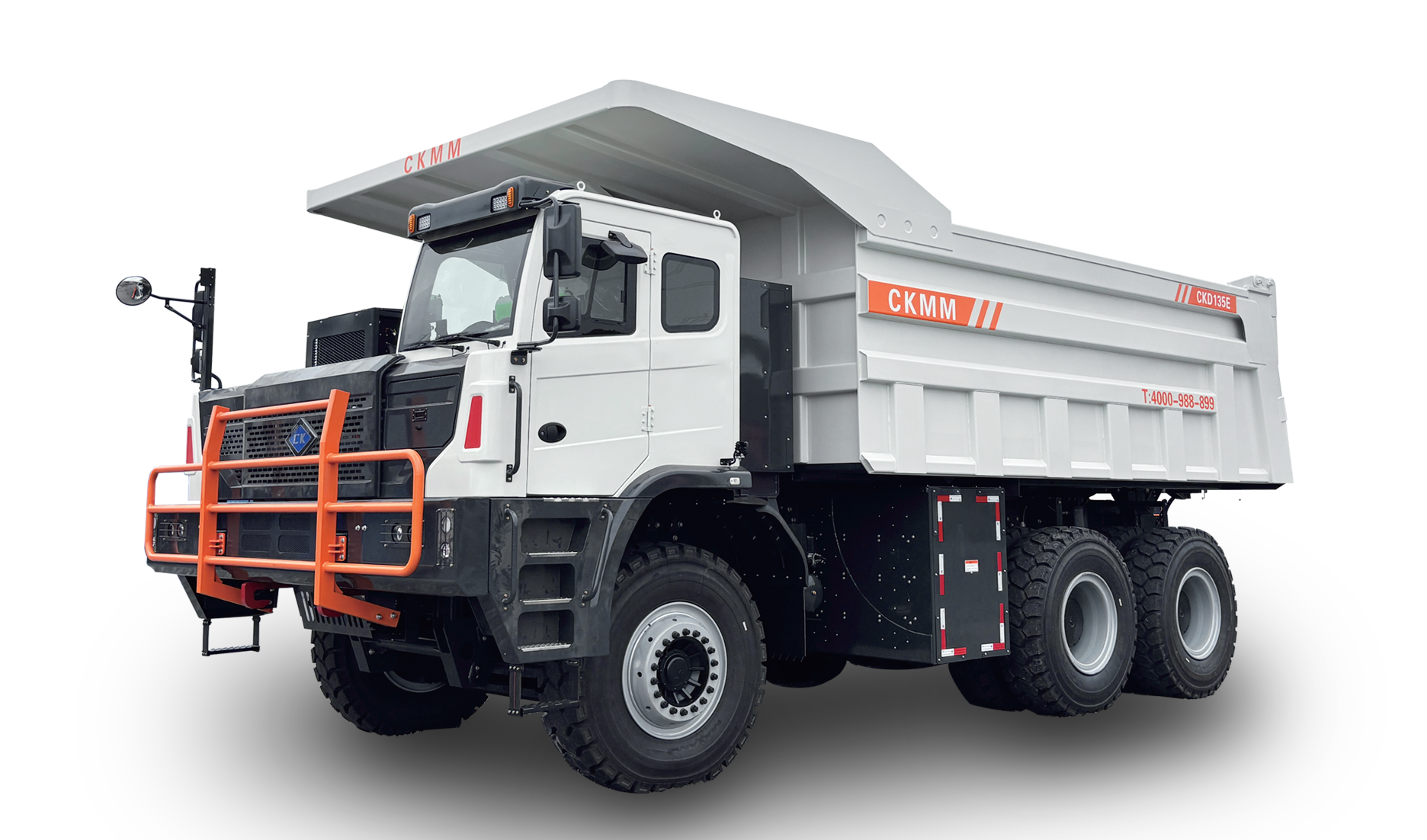
CKD135E Pure Electric Wide-body Dump Truck
Jiangsu Changkuang Engineering Machinery Co. Ltd.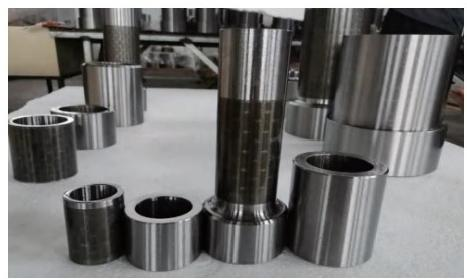
High-temperature Equal Wall Thickness High-power Screw Drilling Tool
Orient Energy & Technologies Co., Ltd.
CITIC Heavy Industries Metallurgical Equipment Steel Smelting Engineering Equipment
CITIC Heavy Industries Co., Ltd.

Industrial and Commercial Point-Type Gas Detector
Jinan Benan Technology Development Co., Ltd.
Mine Explosion-proof and Intrinsically Safe Industrial Ethernet Ring Network (10 Gigabit/Gigabit)
Chongqing Mas Sci&Tech Co., Ltd.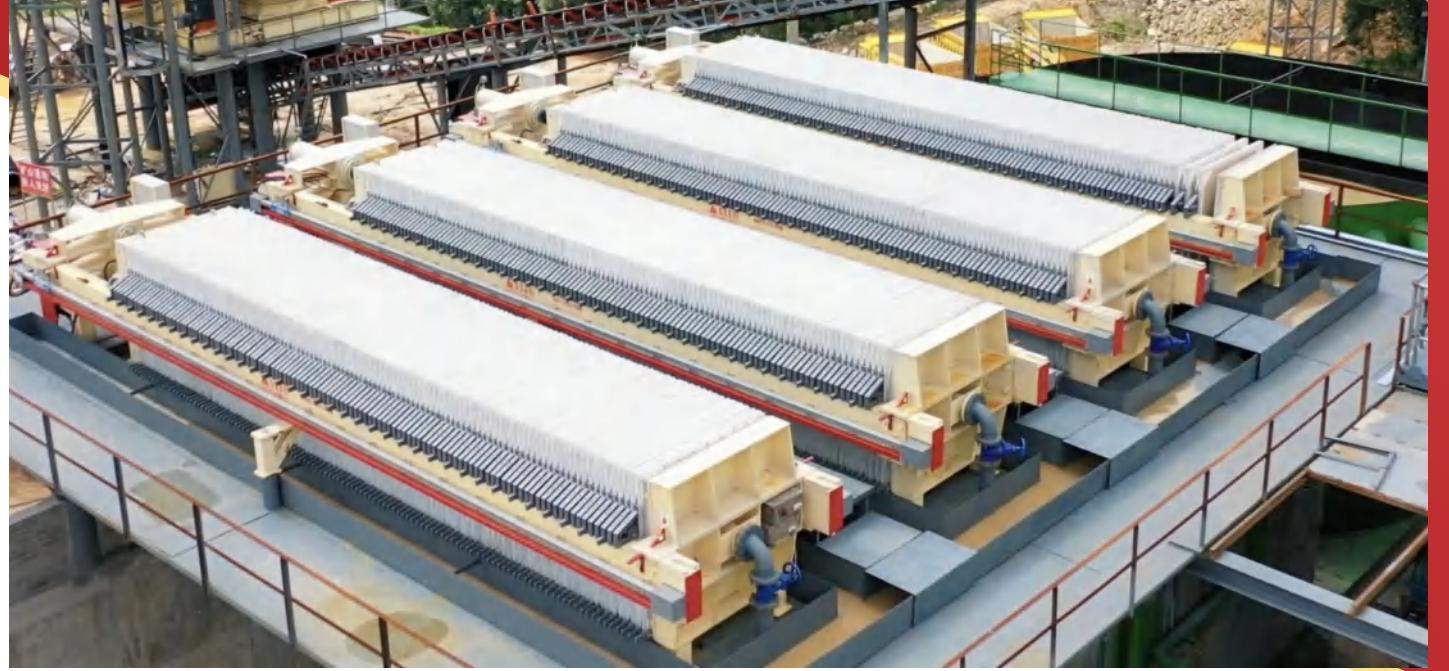
Hydraulic Plate and Frame Filter Press
Guangdong Leimeng Intelligent Equipment Group Co., Ltd.
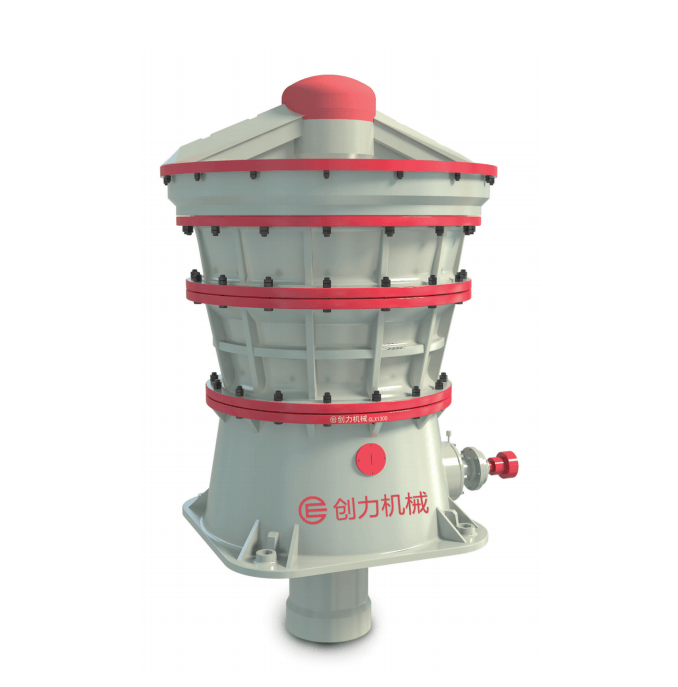
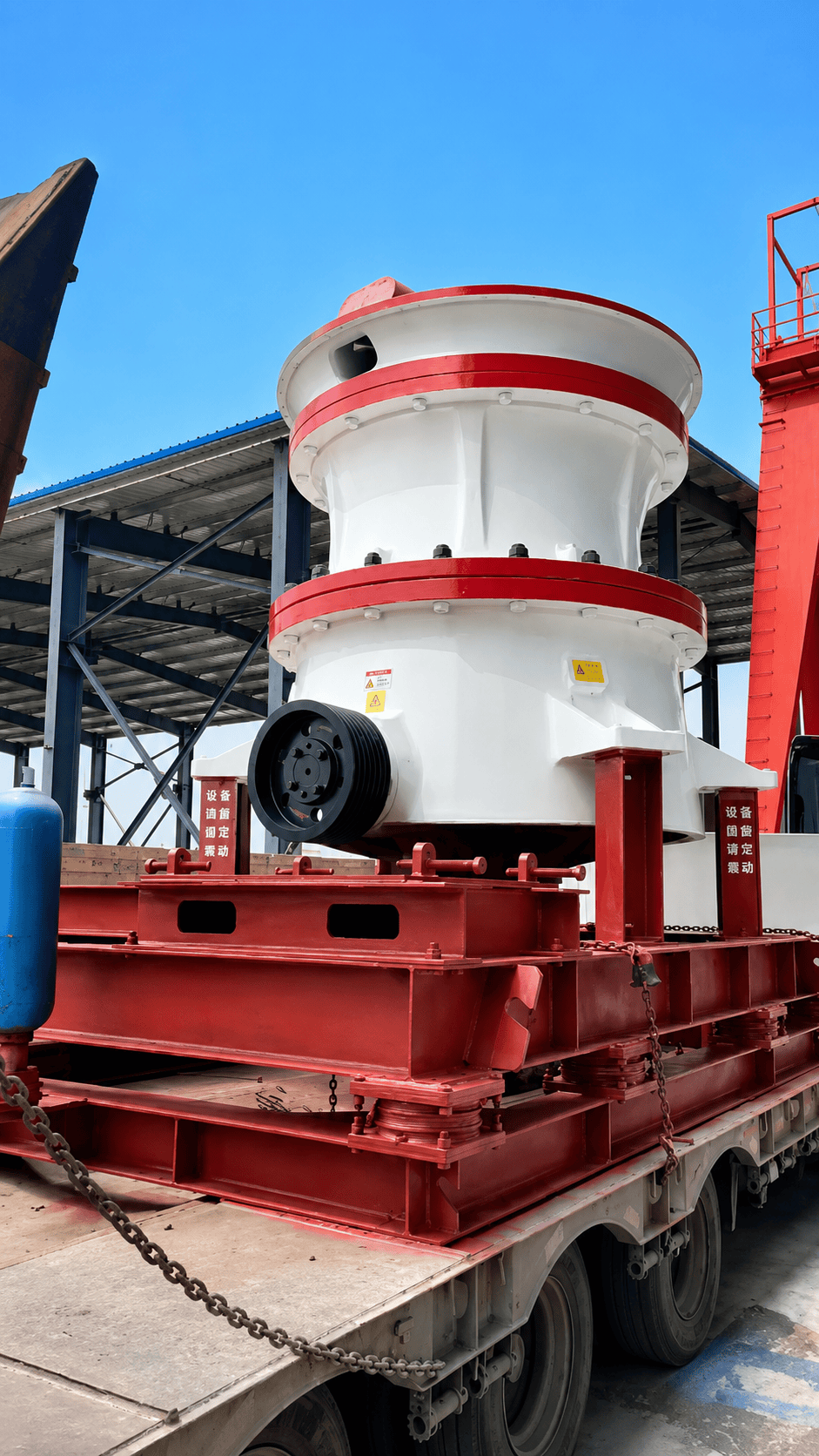
CLX Series Intelligent Hydraulic Gyratory Crusher
Guangdong CHUANGLI intelligent machinery Equipment Co., LTD