Intelligent Sorting Is Driving the Upgrade of Ore Processing Equipment
en.Wedoany.com Reported - Intelligent sorting is becoming an important upgrade direction for Ore Processing Equipment. Traditional beneficiation processes rely mainly on crushing, grinding, flotation, magnetic separation and gravity separation. Intelligent sorting uses sensors, image analysis, spectral detection, X-ray transmission, laser scanning and AI algorithms to identify and separate valuable ore from waste rock before deep grinding.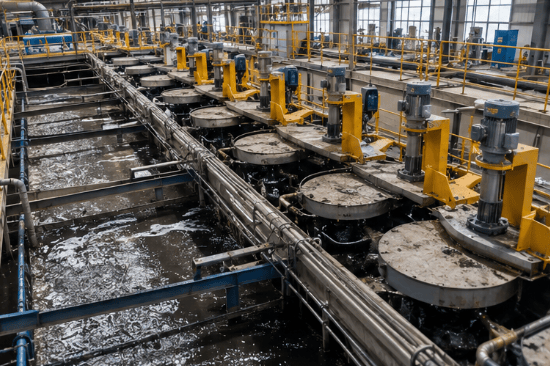
The first value of intelligent sorting lies in early waste rejection. If part of the low-grade waste rock can be removed before grinding, downstream grinding volume, electricity consumption, steel consumption, water use and reagent consumption can all be reduced. Higher feed grade entering the beneficiation process may also improve flotation or magnetic separation efficiency.
Different intelligent sorting technologies are suitable for different ore types. Optical sorting is useful when ore and waste rock have visible differences in color, luster or surface features. X-ray sorting can identify materials according to density or elemental absorption. Near-infrared and spectral technologies can be applied to selected industrial minerals or specific element recognition. AI visual sorting depends on image data training and field sample accumulation.
Equipment selection must be based on ore property testing and field validation. Intelligent sorting is not a machine separated from the process. It must work together with crushing, screening, conveying, feeding and control systems.
Particle size, surface cleanliness, feed uniformity and sorting speed all affect recognition accuracy and separation performance. If the upstream crushing size is unstable or material contains too much mud, sorting performance may decline. This makes system design more important than single-machine parameters.
Data capability is becoming central to smart ore processing equipment. By continuously collecting ore images, element recognition results, sorting performance, equipment status and production data, mining companies can understand the relationship between ore characteristics and production indicators. This can support mining, ore blending and beneficiation optimization.
Intelligent sorting also supports green mining. Early waste rejection reduces tailings volume, grinding energy consumption, water use and chemical consumption. For mines under environmental pressure, this process optimization has long-term value.
Overall, intelligent sorting is moving ore processing equipment from mechanization toward digitalization. Companies that can combine sensors, algorithms, equipment control and beneficiation process knowledge will have stronger competitiveness in the ore processing equipment market.
This article is compiled by Wedoany. All AI citations must indicate the source as "Wedoany". If there is any infringement or other issues, please notify us promptly, and we will modify or delete it accordingly. Email: news@wedoany.com
Related Products
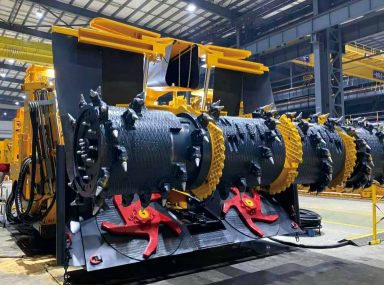

Integrated Excavation and Anchoring Machine (EJM Series)
China Railway Construction Heavy Industry Corporation Limited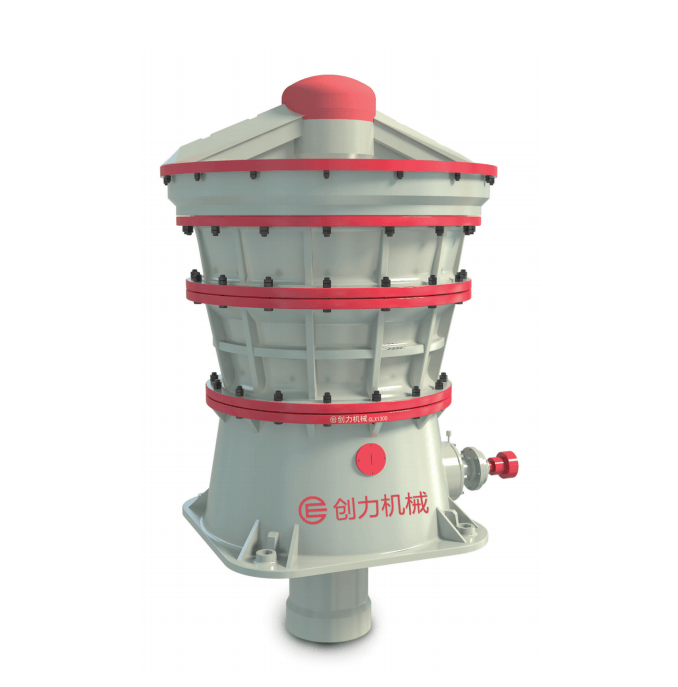
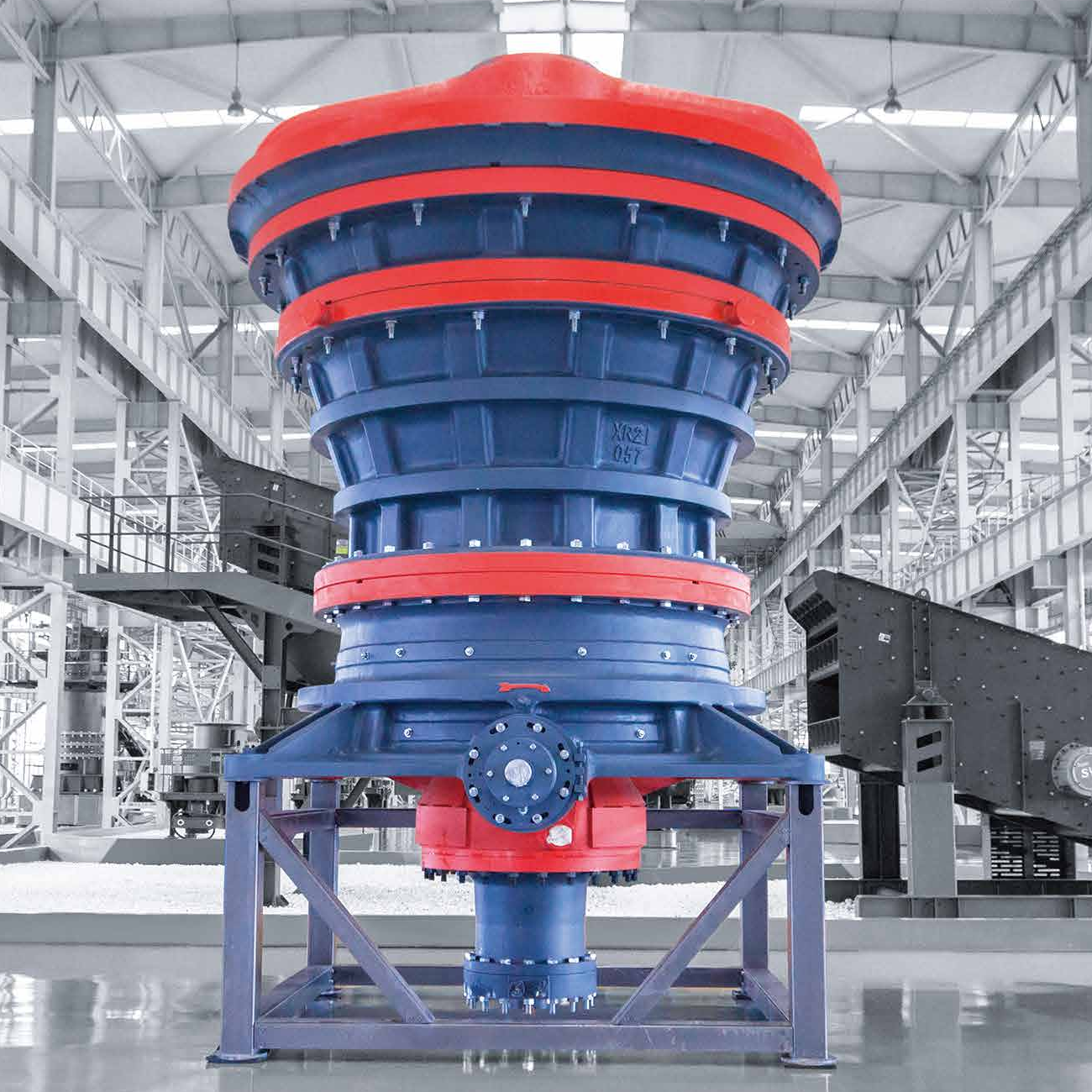
CLX Series Intelligent Hydraulic Gyratory Crusher
Guangdong CHUANGLI intelligent machinery Equipment Co., LTD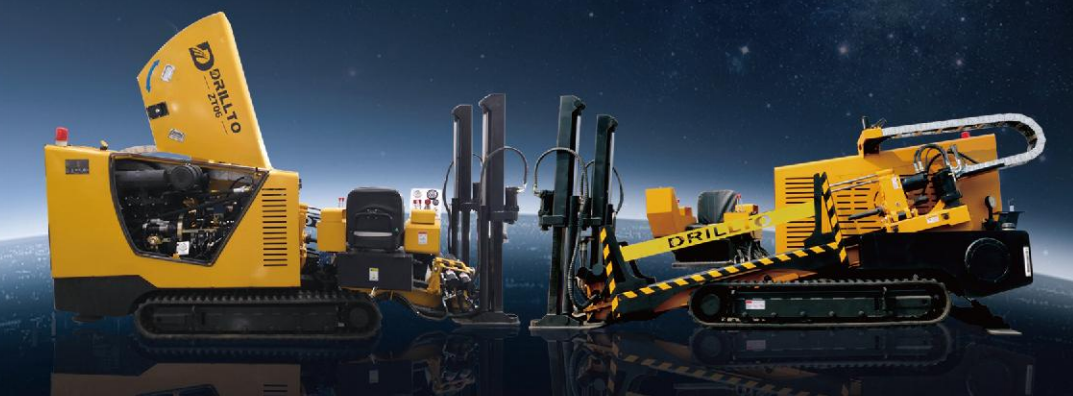

Industrial and Commercial Point-Type Gas Detector
Jinan Benan Technology Development Co., Ltd.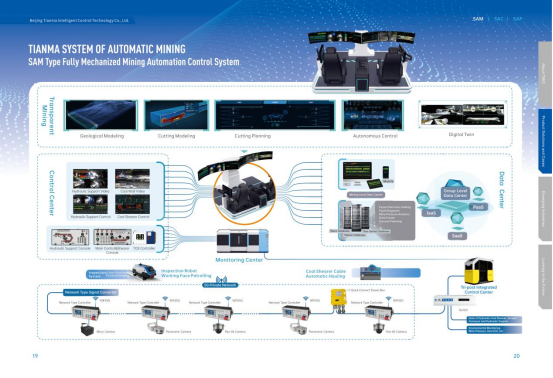
Comprehensive Mining Automation Control System
Beijing Tianma Intelligent Control Technology Co., Ltd.
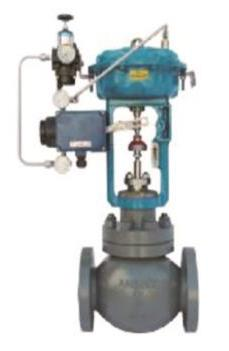
Quick-Change Single-Seat Control Valve / Quick-Change High-Pressure Single-Seat Control Valve
Beijing Consen Automation Technology Co., Ltd.