Apple's macOS 27 Enhances Ultra-Wide Monitor Support to 5K 120Hz
en.Wedoany.com Reported - On June 8 local time, Apple confirmed during the WWDC-related system updates that macOS 27 will strengthen support for ultra-wide monitors. The new system can deliver higher resolution output on ultra-wide displays, such as 5K 120Hz, and can retain the previous screen arrangement when users reconnect the monitor.
This update directly addresses a long-standing shortcoming in the Mac's external display experience. While Macs could previously connect to various ultra-wide monitors, users might have had to repeatedly adjust between resolution, refresh rate, scaling, and display arrangement under certain high-resolution, high-refresh-rate combinations. By presenting ultra-wide support as a standalone feature, macOS 27 means the system will more clearly recognize and manage such display devices, providing creators, programmers, traders, video editors, and multi-window office users with a more stable output experience when using wide-format monitors. For professional users who need to simultaneously manage timelines, code windows, asset libraries, browsers, dashboards, and communication tools, display modes like 5K 120Hz help enhance image detail, scrolling smoothness, and usable workspace area.
Display arrangement memory is also a key detail in this update.
Multi-monitor office users often switch between office, home, and mobile work scenarios. When an external monitor is disconnected and reconnected, if the system cannot accurately restore the previous layout, window positions and the primary-secondary screen relationship can easily become disrupted. macOS 27's ability to retain display arrangements reduces the time cost of re-dragging screen positions, setting the primary monitor, and adjusting scaling after each plug-and-unplug cycle. For users employing an ultra-wide monitor with a MacBook's built-in screen, dual external monitors, or a docking station setup, such fundamental experience improvements are more frequent than simply adding a new application feature and more likely to impact daily work efficiency.
This improvement is also related to Apple's recent push to bring Macs into more professional and gaming scenarios. Apple Silicon has enhanced Mac graphics performance and energy efficiency, and Thunderbolt ports continue to expand external device connectivity, but the external monitor ecosystem has long been affected by resolution, refresh rate, scaling, and compatibility experiences. If macOS 27 can better support ultra-wide monitors and high refresh rate output, it will help Macs achieve a smoother connection experience with third-party professional monitors, gaming monitors, and productivity monitors. As 5K, ultra-wide, curved, high-refresh-rate, HDR, and multi-input monitors become more common among professional users, display management capabilities at the operating system level will become an important experience indicator beyond hardware performance.
The actual effectiveness will depend on the real-world compatibility of different Mac models, port specifications, monitor firmware, and connection cables. For users, ultra-wide support in macOS 27 does not mean all monitors will automatically achieve 5K 120Hz, but rather that the system provides a clearer support foundation for such high-spec display modes and layout restoration. As developer betas and public betas progress, the actual performance of more monitor models will gradually be verified.
This article is compiled by Wedoany. All AI citations must indicate the source as "Wedoany". If there is any infringement or other issues, please notify us promptly, and we will modify or delete it accordingly. Email: news@wedoany.com
Related Products


GYTA Type Non-Self-Supporting Aerial/Duct Optical Cable
TONGDING INTERCONNECTION INFORMATION CO., LTD.
Multi-function Marine Monitoring Low-altitude Detection Radar Sea-air Boundary Ocean Dynamic Environment Measurement
Chengdu Dixin Technology Co., Ltd.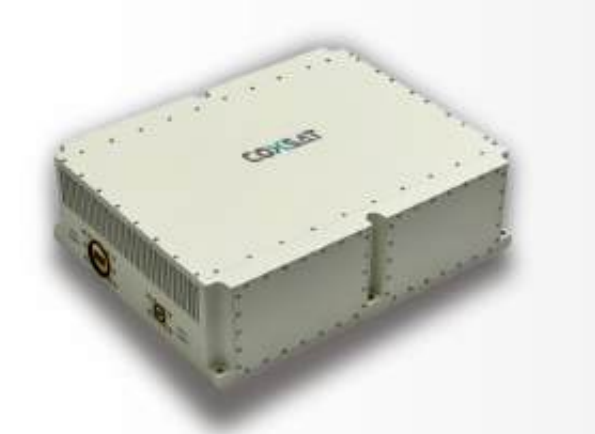
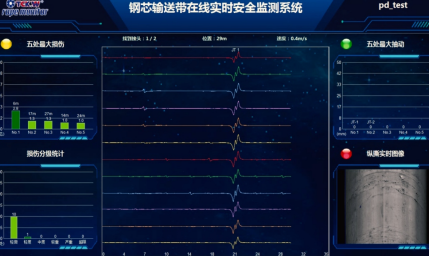
Conveyor Belt Intelligent Monitoring System
LUO YANG WIRE ROPE INSPECTION TECHNOLOGY CO., LTD.

Mine Explosion-proof and Intrinsically Safe Industrial Ethernet Ring Network (10 Gigabit/Gigabit)
Chongqing Mas Sci&Tech Co., Ltd.
Automatic Aiming Laser Remote Obstacle Removal Robot
Pinggao Group Weihai High-Voltage Apparatus Co., Ltd.
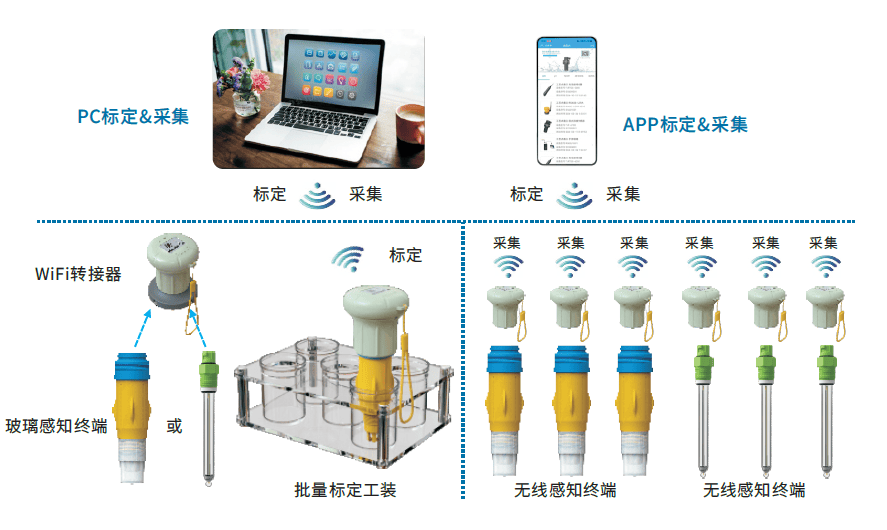
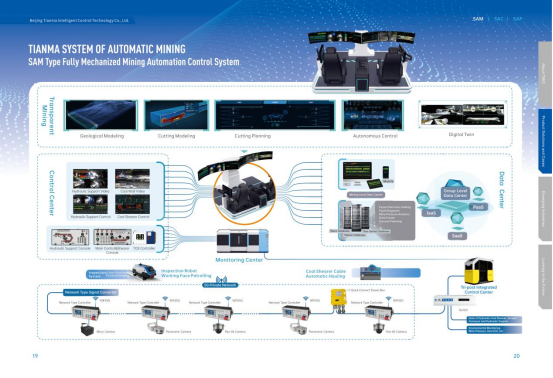
Comprehensive Mining Automation Control System
Beijing Tianma Intelligent Control Technology Co., Ltd.