Oman's Duqm $4.2 Billion Green Hydrogen Project Enters Phase 2 and 3 Construction
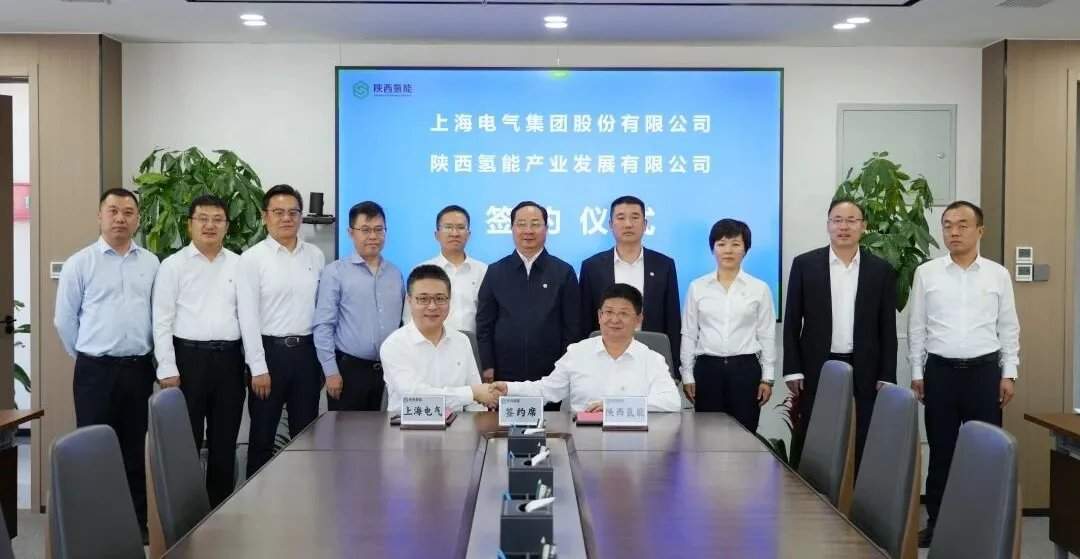
en.Wedoany.com Reported - On June 8, the Public Authority for Special Economic Zones and Free Zones in Oman signed 10 investment agreements and memoranda of understanding in the Duqm Special Economic Zone, with a total investment of approximately 2.9 billion Omani Rials, equivalent to about $7.5 billion. Among them, the downstream engineering for Phase 2 and Phase 3 of the Indian ACME Group's green hydrogen project involves an investment of approximately $4.2 billion, making it the largest energy project in this round of agreements.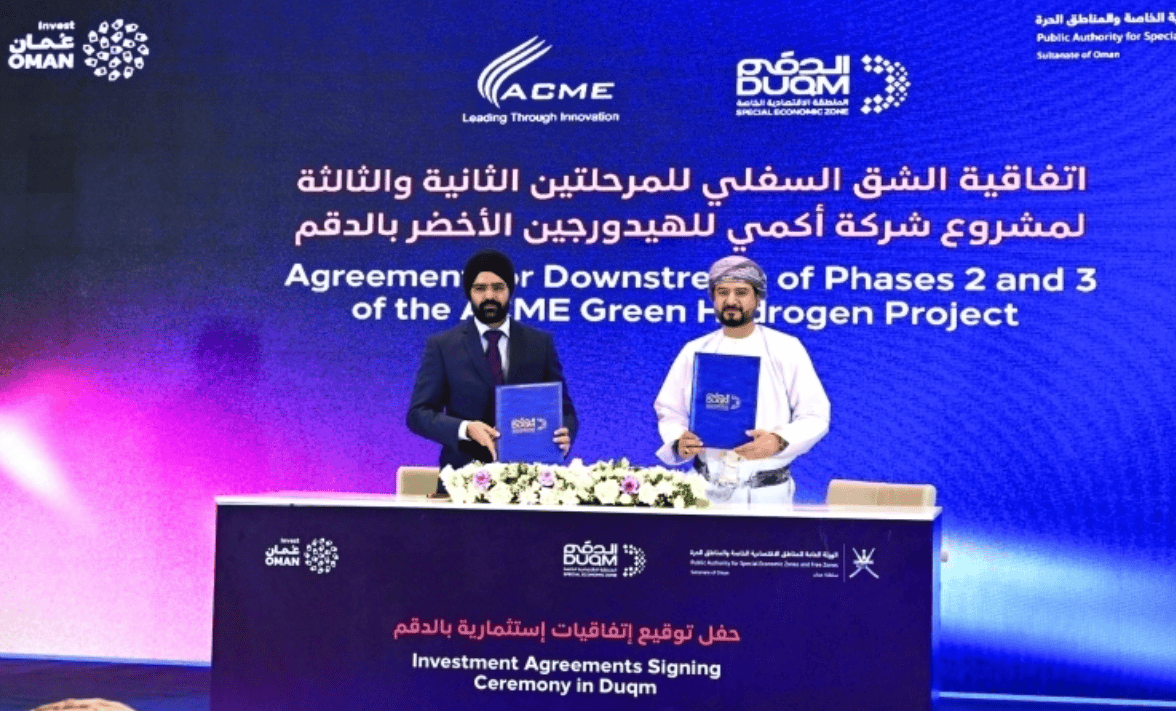
The ACME green hydrogen and green ammonia project is located in the Duqm Special Economic Zone in Oman. Phases 2 and 3 will involve the construction of large-scale green hydrogen and green ammonia production facilities, covering an area of approximately 10 square kilometers, and will be advanced in two stages. According to disclosed plans, each stage will have an annual production capacity of approximately 71,000 tons of green hydrogen and 400,000 tons of green ammonia. Upon full completion of both phases, the combined annual production capacity will reach 142,000 tons of green hydrogen and 800,000 tons of green ammonia. Phase 2 is expected to commence commercial operations in 2030, and Phase 3 in 2033. This project connects with ACME's previously advanced Phase 1 green ammonia project in Duqm and also aligns with the national green hydrogen project portfolio coordinated by Oman's Hydrogen Company, Hydrom. Project development, land use, regulatory frameworks, and subsequent industrial support will be integrated into Oman's green hydrogen industry system.
Duqm is expanding from its port, refining, and industrial park base towards green energy, advanced materials, and export-oriented manufacturing clusters. The significance of the green hydrogen and green ammonia projects lies in their ability to connect renewable energy power, seaport logistics, chemical conversion, and the international buyer market. Green hydrogen requires large-scale, low-cost clean electricity, while green ammonia is easier to transport over long distances and use downstream, serving scenarios such as fertilizers, shipping fuel, industrial decarbonization, and cross-border energy trade. Oman possesses solar and wind energy resources and port conditions facing the Indian Ocean shipping routes. If the Duqm project is implemented in stages, it will help Oman convert its resource advantages into exportable green fuels and chemical products, and will also drive demand for upstream and downstream equipment such as electrolyzers, storage tanks, compressors, separators, synthesis units, port handling, and safety monitoring systems.
Subsequent project variables will focus on the scale of renewable energy supply, financing arrangements, engineering, procurement, and construction (EPC), international offtake agreements, port outbound capacity, and green ammonia market prices. For Oman, the Duqm project is not just a single energy investment but an industrial platform that binds together the special economic zone, port, chemical manufacturing, and global energy transition demand. If Phases 2 and 3 proceed as planned, Duqm will secure a clearer position in the Middle East's green hydrogen export landscape and provide a new project node for the clean fuel supply chain serving markets in China, India, Europe, and East Asia.
This article is compiled by Wedoany. All AI citations must indicate the source as "Wedoany". If there is any infringement or other issues, please notify us promptly, and we will modify or delete it accordingly. Email: news@wedoany.com