Worley Australia Study Proposes 24 Measures to Reduce Capital Costs of Renewable Hydrogen Projects
en.Wedoany.com Reported - On September 10, Worley announced the completion of a renewable hydrogen strategic study commissioned by the Australian Renewable Energy Agency (ARENA). The study focuses on the capital costs of large-scale renewable hydrogen projects, analyzing item by item the engineering, equipment, infrastructure, and project delivery factors affecting investment in electrolytic hydrogen production projects, and identifies 24 independent cost-reduction measures to assess the potential capital cost reduction space achievable at different future development stages.
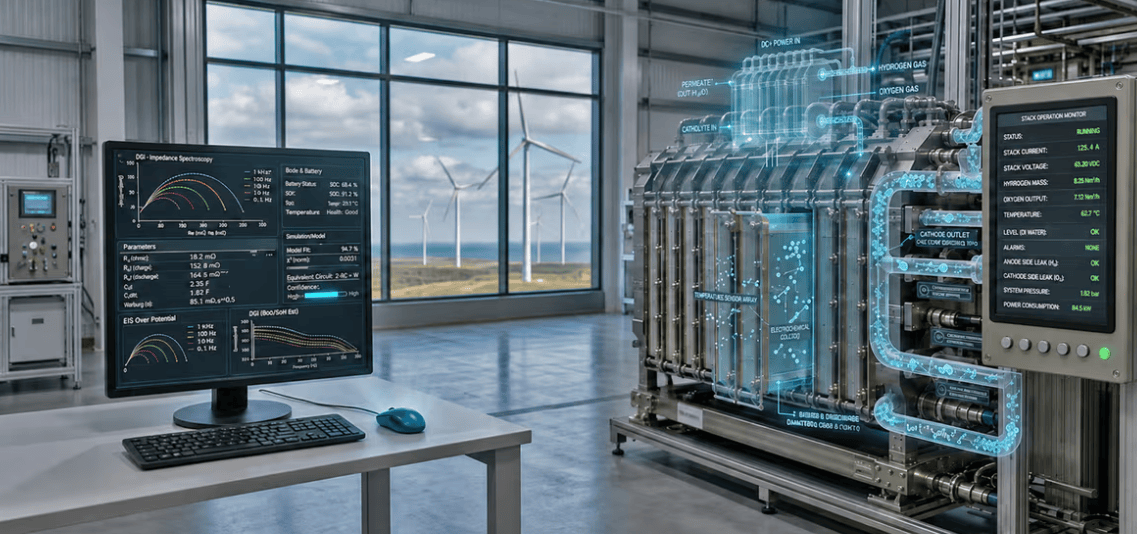
Unlike the many studies that rely solely on "learning rates" to extrapolate future hydrogen production costs, Worley this time breaks down large-scale hydrogen projects to the specific engineering and equipment level, and then evaluates the impact of various technical and project execution measures on capital expenditure. The study covers not only the electrolyzer itself, but also capital cost components such as renewable power connection, electrical systems, balance of system, water treatment, compression, storage, and construction and project delivery methods.
Worley stated that the research team evaluated a total of 24 independent capital cost optimization measures and analyzed the cumulative effects of implementing these measures in combination at different time stages. The focus of the study is not to predict a single future hydrogen price, but to identify which engineering measures can directly change the initial investment of a project, enabling developers to optimize high-cost areas during the front-end planning and design stages.
These cost-reduction pathways involve electrolyzer scaling and standardization, modular equipment design, supply chain maturity, engineering design optimization, infrastructure sharing, and more efficient project execution methods. Some measures can reduce unit investment through equipment scale expansion and bulk procurement, while others rely on simplified project design, reduced custom engineering, increased modular prefabrication ratios, and optimized on-site construction workload. The study also incorporates the combined effects among different measures into the assessment, rather than treating a single technological advancement as the sole source of cost reduction.
The focus of ARENA's commissioning of this study is to provide a more specific basis for capital cost judgments for Australia's future large-scale renewable hydrogen projects. Australia possesses large-scale wind and solar resources, but green hydrogen projects currently still face the problem of high capital investment in electrolyzers, renewable power sources, transmission, water treatment, and supporting infrastructure. This study therefore breaks down costs from the perspective of the project engineering chain, providing reference for government support policies, developer project design, and subsequent investment decisions.
Worley has already participated in the conceptual design, front-end engineering, and project execution of multiple renewable hydrogen and derivative fuel projects, so this study also incorporates practical engineering delivery experience into the cost analysis. Compared with macro-level forecasts, its core value lies in further breaking down "green hydrogen will reduce costs in the future" into specific engineering measures that can be implemented in project design, procurement, construction, and infrastructure configuration.
Related Products


Industrial and Commercial Point-Type Gas Detector
Jinan Benan Technology Development Co., Ltd.
CITIC Heavy Industries Offshore Wind Power Equipment Hydraulic Pile Hammer
CITIC Heavy Industries Co., Ltd.
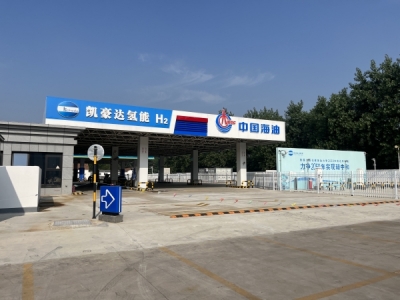
Hydrogen production and hydrogenation charging refueling gas integrated energy station
Shenzhen Kohodo Hydrogen Energy Co., Ltd.
Single-Phase Automatic Voltage Regulator(AVR)
Shaanxi Sefon Electrical Equipment Co.,Ltd.