Fraunhofer Develops Real-Time Diagnostic Technology for Hydrogen Equipment, Supporting 30-Ampere Dynamic Impedance Testing
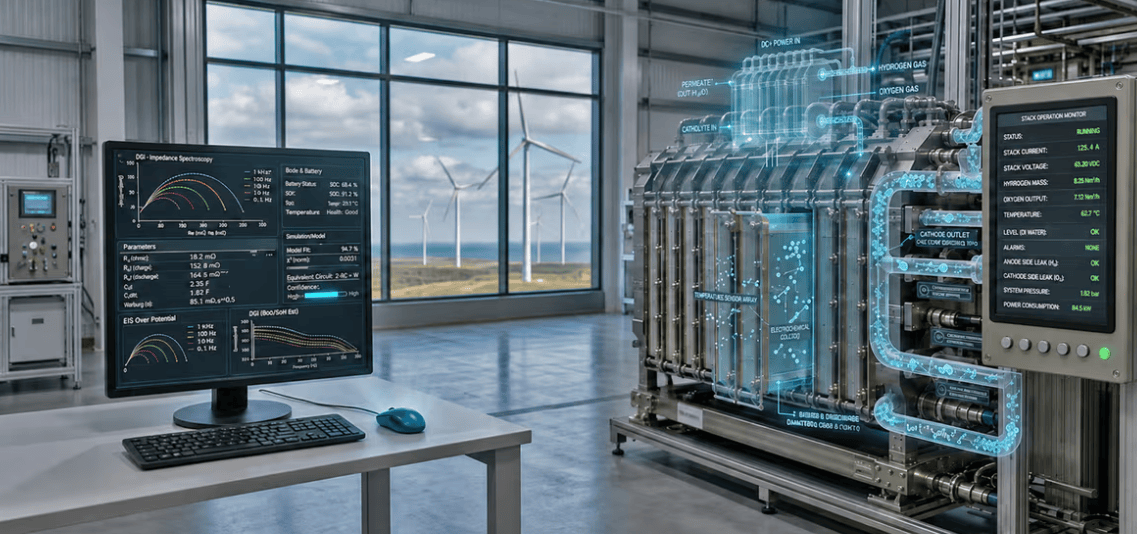
en.Wedoany.com Reported - On September 10, the Fraunhofer Institute for Manufacturing Technology and Advanced Materials (Fraunhofer IFAM) in Germany announced that its dynamic impedance spectroscopy diagnostic technology has been further expanded from laboratory measurements to current ranges close to practical applications, enabling real-time condition analysis during continuous operation of electrolyzers and fuel cells. The current system can superimpose multi-frequency test signals onto operating currents of up to 30 amperes and calculate impedance changes in real time, which is used to identify performance degradation in electrodes, membranes, contact interfaces, and mass transfer processes, providing a data foundation for equipment condition monitoring and predictive maintenance.
Traditional impedance spectroscopy testing usually requires equipment to enter a stable operating condition or even suspend normal operation, making it difficult to fully record the dynamic changes of electrolyzers and fuel cells under fluctuating renewable energy conditions. The new method developed by Fraunhofer IFAM superimposes small-amplitude multi-frequency test signals onto the normal operating current of the equipment, while continuously recording current and voltage responses, and then calculating the frequency-dependent complex impedance. Different frequency ranges can correspond respectively to electrode reactions, ion transport through the membrane, electrical contacts, and reactant supply processes, thereby further localizing overall equipment performance degradation to specific components or operational stages.
A key advancement of this technology is the expansion of dynamic impedance spectroscopy from the previous laboratory scale to higher current levels. At present, test signals can be superimposed onto operating currents of up to 30 amperes, while online data processing generates impedance spectroscopy changes in real time. The research team stated that this makes continuous measurement possible for larger-scale electrochemical systems during dynamic operation, and allows measurement results to be analyzed in combination with pressure and temperature changes as well as different material systems.
In terms of fault identification, changes in impedance spectroscopy over time can be used to determine different types of degradation. If a specific impedance component continues to increase, it may correspond to deterioration of electrode reactions, corrosion, or reduced electrical contact quality; changes in phase characteristics can be further linked to membrane aging, abnormal water management, or limited mass transfer. By continuously tracking these parameters, the system can identify abnormal trends before significant power decline or fault shutdown occurs in the equipment, and arrange maintenance accordingly.
Fraunhofer IFAM plans to connect this diagnostic system directly to the equipment control system or energy management system of electrolyzers and fuel cells. The current key application targets include PEM fuel cells and alkaline electrolyzers. Operators can continuously obtain equipment health status data and adjust load strategies, maintenance cycles, and operating parameters accordingly. The research team also plans to combine real-time impedance data with artificial intelligence models so that the diagnostic system can adapt to changes in external conditions such as temperature and pressure, as well as new electrode and membrane materials.
This technology is currently still in the stage of expanding detection and diagnostic technology toward industrial application, rather than being a new electrolyzer or fuel cell production project. The main new milestone this time is that dynamic impedance spectroscopy has achieved online testing under operating conditions of up to 30 amperes and has the technical foundation for integration into equipment control systems. The Fraunhofer system is also currently advancing research related to real-time monitoring of electrolyzers, material degradation diagnostics, and predictive maintenance, with industrialization efforts focused on reducing unplanned downtime and extending the service life of electrochemical equipment.
Related Products

6kV-35kV Medium and High Voltage Direct-Connected Energy Storage System
Hainan Jinpan Smart Technology Co., Ltd.
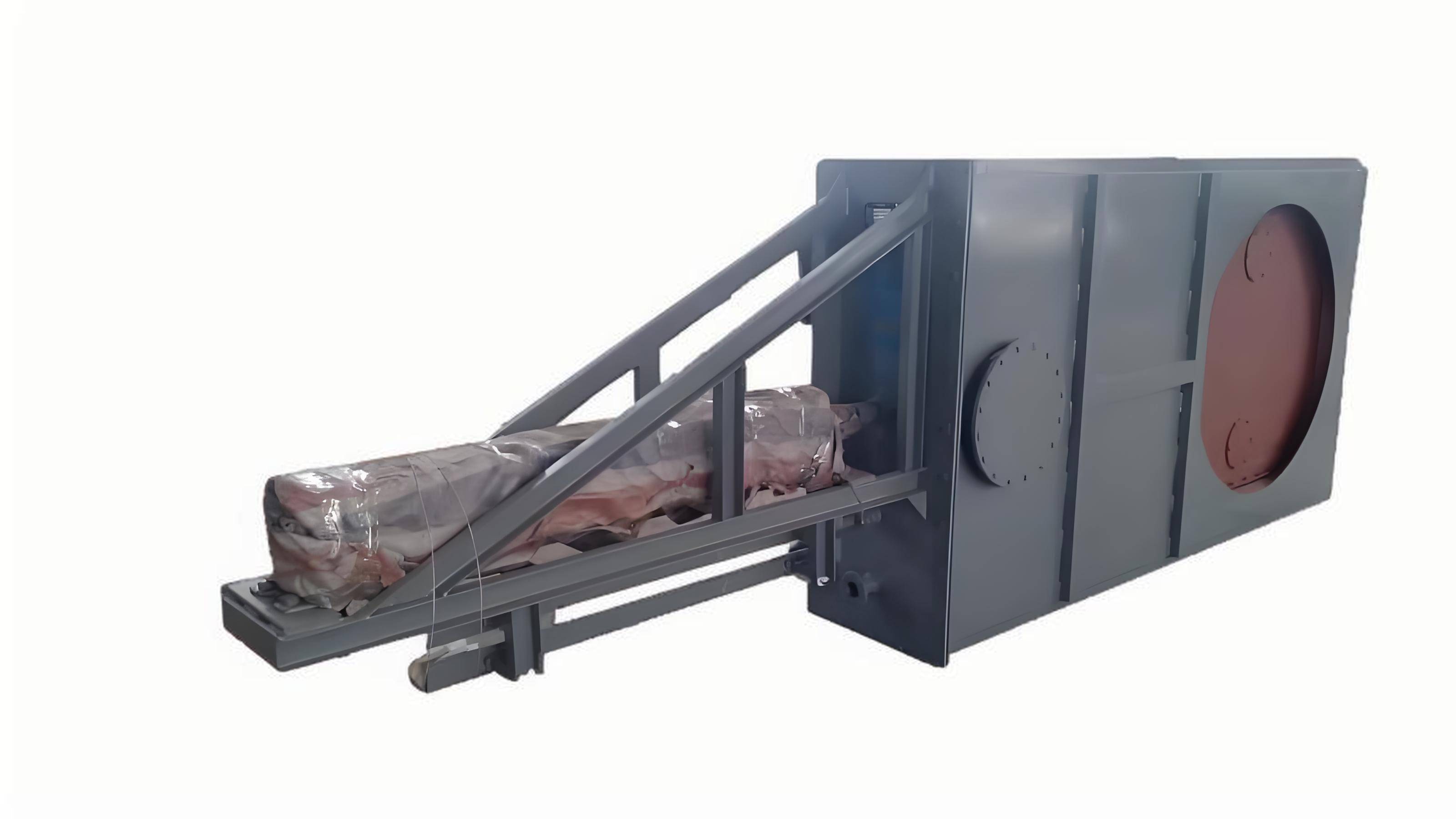
Double-slide Triple-sealed Hot Air Isolation Door
Xi'an Yingchuan Electric Power Equipment Co., Ltd.
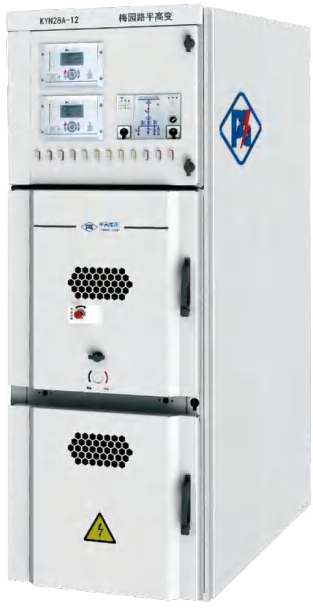
KYN28A-12 Metal Armored Removable Switchgear
Tianjin Ping Gao Intelligent Electric Co., Ltd.