Dux Group Launches Amonix Solution, Targeting Brazil's BRL 2 Billion Poultry Market
en.Wedoany.com Reported - Dux Group recently launched the green solution Amonix to reduce ammonia emissions in poultry farming and improve broiler production performance. Based on trial data from Brazil and Peru, the company states that using this product results in a weight gain of 50 to 70 grams (average 60 grams) per broiler. With Brazil slaughtering approximately 7 billion broilers annually, this production capacity could yield an additional 420,000 tons of chicken meat per year, generating up to BRL 2 billion in added value for the industry.
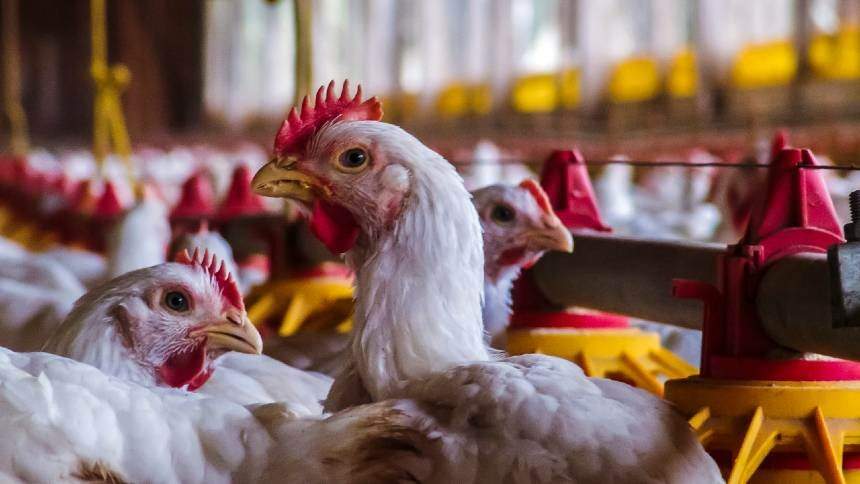
The company, which focuses on green chemical solutions for controlling toxic gases and industrial odors, has identified the poultry industry as one of its key future growth areas. Dux Group CEO Marcelo Spaziani refers to ammonia as the "invisible enemy" in chicken farms, noting that this gas exists in poultry houses, but producers often only realize the losses when batch results or mortality rates rise.
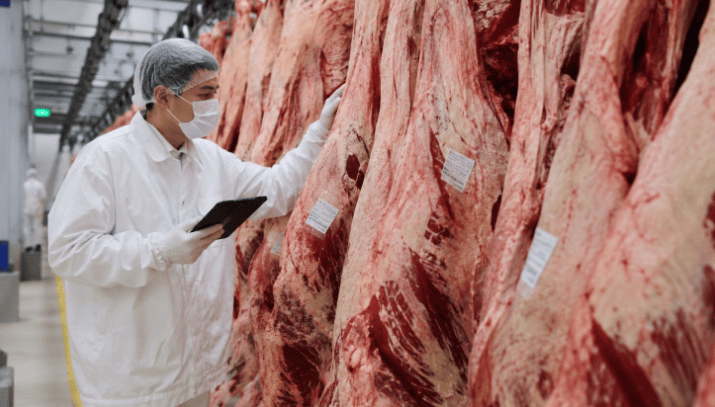
The company is already involved in the animal protein supply chain, with its products applied in multiple slaughterhouses and feed mills of JBS, MBRF, and Aurora. Regarding the ammonia issue, the combination of feed residues, water dripping from drinkers, manure, and urine creates an environment on the litter that promotes ammonia production. High ammonia concentrations damage the animals' respiratory systems, reduce feed and water intake, impair the immune system, and hinder weight gain. According to internal company research, ammonia concentrations exceeding 25 parts per million (ppm) cause production losses, and in some farming systems, concentrations above 50 ppm can reduce poultry performance by 9%.
The idea for developing an ammonia controller began about eight years ago. At that time, company partner Márcio Del Col witnessed an ammonia leak incident while visiting a slaughterhouse client, which led to an evacuation and prolonged shutdown of the facility. Del Col stated that there was no biodegradable and non-toxic ammonia neutralization solution available at the time, which became the starting point for research and development. The result was a patented technology initially applicable to industrial refrigeration environments. Subsequently, poultry industry clients sought solutions for poultry houses, leading the company to develop powder and granular versions. Poultry farmers spread these on the litter to prevent ammonia formation and volatilization before it accumulates.
The first commercial tests were conducted at two Brazilian companies and one Peruvian company. In addition to observed weight gain, ammonia levels decreased, and shed environmental conditions improved. High ammonia concentrations are also linked to footpad dermatitis, a lesion affecting chicken feet, which is one of the main quality indicators monitored by import markets. This issue is particularly important for Brazilian exporters, as China has strict quality requirements for carcasses and chicken feet.
Dux plans to integrate Amonix with environmental monitoring systems to track indicators such as ammonia concentration, temperature, humidity, and pressure in real time. The solution has begun field testing, and one company participating in the first validation round decided to initiate a new monitoring phase in six sheds. This operation is part of a group that produces approximately 50 million broilers annually and has about 800 sheds. The company estimates that a full rollout timeline may take one to one and a half years.
After launching the technology at the recent Fenagra exhibition, Dux has received expressions of interest from companies in other industries. The company's clients span sectors including agriculture, sanitation, pulp and paper, mining, petrochemicals, and landfills. Dux reported revenue of BRL 11.5 million last year, a 14% increase from 2024, and driven by the ammonia control business, expects growth of over 70% this year.
This article is compiled by Wedoany. All AI citations must indicate the source as "Wedoany". If there is any infringement or other issues, please notify us promptly, and we will modify or delete it accordingly. Email: news@wedoany.com
Related Products

4HS-8 High-efficiency Peanut Inverted-laying Harvester
Hebei Yongfa Hongtian Agricultural Machinery Manufacturing Co., Ltd.

Industrial and Commercial Point-Type Gas Detector
Jinan Benan Technology Development Co., Ltd.

714CD Series C-Band Weather Radar
Chengdu Zhongdian Jinjiang Information Industry Co., Ltd.