France: Seven Group Launches First Hydrogen Station in Occitania, Boosting Regional Green Transport
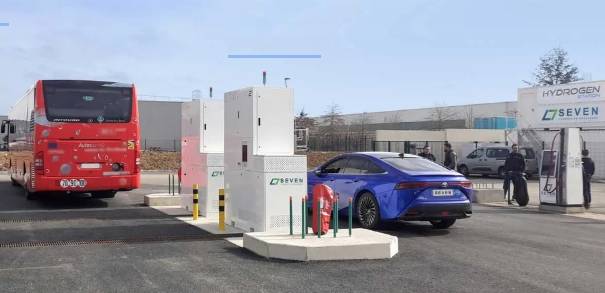
The Niçois Seven group opens a biohydrogen station in the Tarn Photo: Seven
Wedoany.com Report-Feb 25, The SEVEN group launched its inaugural hydrogen fueling station in Saint-Sulpice-la-Pointe, Tarn, contributing to the Occitan Region H2 Corridor Project. This development strengthens the area's sustainable transport network by introducing a facility that supports green hydrogen use.
The station, situated in Saint-Sulpice-la-Pointe, integrates bioGNC (biomethane compressed natural gas) capabilities with hydrogen distribution. It reflects a EUR 4.8 million investment, designed to serve both light and heavy-duty vehicles. With a daily output of one tonne of hydrogen, it offers pressures of 350 and 700 bar, meeting diverse transport demands. Notably, it supports 15 hydrogen-powered buses managed by the regional liO transport service.
Located less than 10 kilometers from the Electrolyser Lhyfe de Bessières, the station benefits from a locally sourced hydrogen supply. This setup reduces transport-related emissions and enhances efficiency. Jean-Louis Questat, SEVEN’s Director of Industrial Operations, stated: “This project demonstrates effective collaboration between our technical teams, operational staff, and partners like the Department of Tarn and Trifyl.”
SEVEN, established in 2017 and headquartered in Montpellier, focuses on renewable energy for transport sectors, including road and maritime applications. The company already operates 11 BioGNC stations, and this new hydrogen facility marks its initial step into hydrogen infrastructure. The station aligns with the H2 Corridor Project’s goal of establishing a regional network of hydrogen stations to lower carbon emissions and promote cleaner energy alternatives.
The facility’s dual-purpose design, combining bioGNC and hydrogen, caters to current and emerging transport needs. Its strategic placement in Tarn positions it as a key hub within the Occitanie region’s efforts to expand sustainable infrastructure. The project underscores a practical approach to integrating renewable energy into everyday transport systems, supporting broader environmental objectives without compromising operational capacity.
This initiative reflects SEVEN’s ongoing commitment to advancing green technologies. By leveraging local resources and partnerships, the station sets a foundation for future expansions in the hydrogen network, contributing to reduced reliance on traditional fuels. The collaboration with regional entities ensures that the project meets local demands while maintaining a focus on sustainability.
Related Products
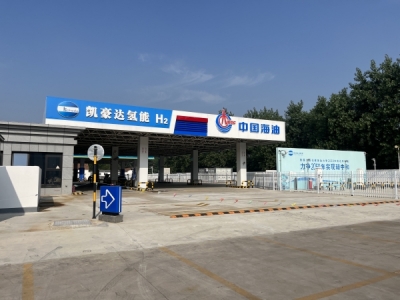

Hydrogen production and hydrogenation charging refueling gas integrated energy station
Shenzhen Kohodo Hydrogen Energy Co., Ltd.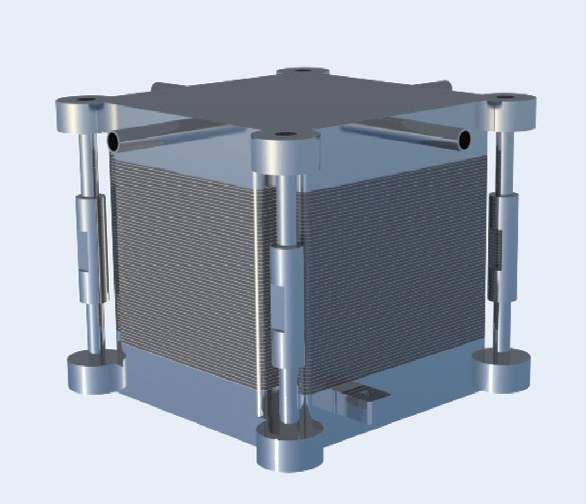
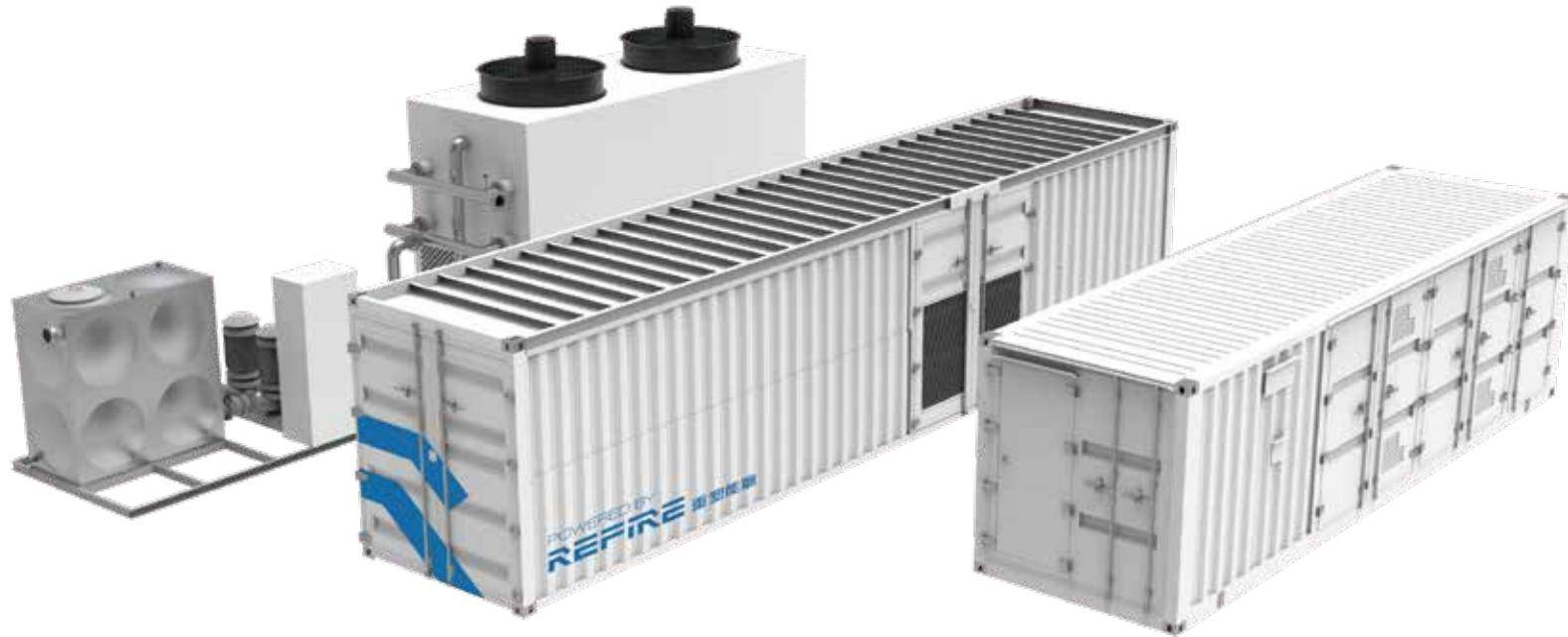
Full range of green hydrogen application solutions
Beijing Hydrogenergy Technology Co.,Ltd

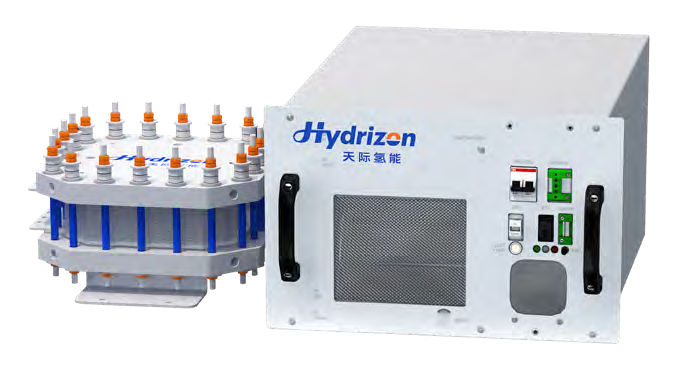
HI-Pro Green Hydrogen High-efficiency Production System-HI-PRO-AEM
Hydrizon Technology (Beijing) Co., Ltd.