AI Now Institute Projects U.S. Data Center Electricity Use to Reach 12% of National Total by 2030
en.Wedoany.com Reported - Alli Finn, Community Partnerships Director at the AI Now Institute, said during a Clean Energy Group (CEG) webinar that data centers have existed for decades, but the current scale of infrastructure buildout is rapidly expanding, backed by substantial capital investment from the industry and accompanied by an equally significant level of negative impacts.
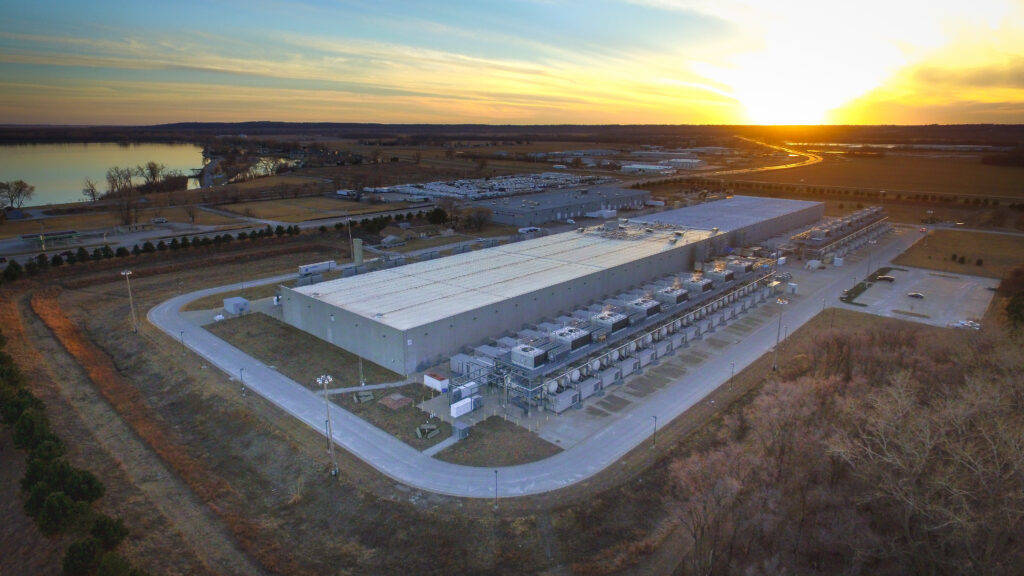
Finn noted that data centers are located around the world, but this wave of expansion is most pronounced in the United States. According to SRG Group data, as of 2025, the U.S. accounts for 54% of global hyperscale data center capacity, and that share is still growing. She attributed the primary driver to the expansion of artificial intelligence (AI) and its applications; however, the AI Now Institute—an organization founded in 2017 that conducts diagnostic and research work on AI—believes that data center growth is not inevitable, nor is it the only way to develop AI.
Finn argued that the AI boom is being fueled by a set of corporate players, including technology companies, developers, trade groups and think tanks, utility companies, and the fossil fuel and nuclear industries. She said the current version of AI in use is defined more by the interests of large tech companies than by the public interest. She cited Entergy, an investor-owned utility operating in four southern states, which plans to build 10 new natural gas power plants in Louisiana specifically for Meta's data center.
Such natural gas data centers cause air pollution and also affect water security for communities near the plants and for residents sharing the same groundwater table. Finn said the impacts even spill over into democratic processes—local budgets tend to become dependent on the industry, even when localities forgo hundreds of millions of dollars in subsidies for it. She added that data centers are among the most subsidized industries in the U.S., costing states billions of dollars in revenue each year through tax breaks and other corporate concessions.
In terms of energy impacts, Finn projects that by 2030, data centers will account for 12% of national electricity consumption—three times current levels—which is driving up risks of power outages and energy shortages across the country. She noted that the new electricity supply will come primarily from fossil fuels, citing data from the Center for Biological Diversity.
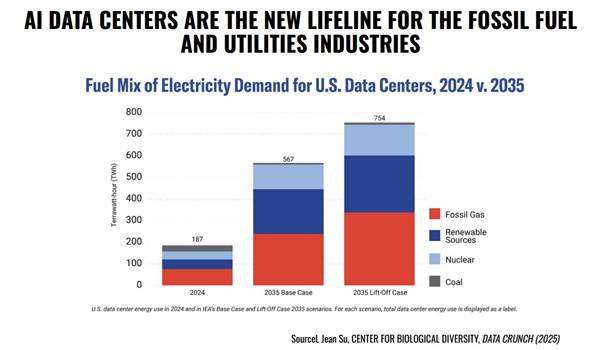
Renewable electricity generation is expected to grow over time, but Finn said natural gas generation is projected to grow even more; most current and future data center electricity demand will be met by methane gas (fracked gas). She argued that electricity ratepayers should not be subsidizing the wealthiest data center industry or the second-wealthiest fossil fuel industry.
Discussing mitigation pathways, Finn recommended that decisions be guided by community or public needs, with the first step being to establish mechanisms that ensure transparency, and the second step being to clearly define data centers in zoning regulations. Restrictive measures could include requiring data centers to use renewable energy around the clock, or banning backup diesel generators; if not banned, they should be subject to adequate permitting controls, notification requirements, pollution control equipment, and cumulative impact reporting. Some local communities are also considering taxing data center electricity use without exemptions and raising rates during energy emergencies such as heat waves.
At the state level, Ohio's proposed SB2 bill stipulates that utility companies are not responsible for costs associated with supplying behind-the-meter generation services; Colorado's Energy and Carbon Management Commission requires oil and gas operators to consider cumulative impacts when applying for permits; and Oregon's HB 3546 requires the Public Utility Commission to establish a new rate class for industrial energy users exceeding 20 megawatts, subject to higher rates, in order to protect ordinary electricity ratepayers.
The webinar was hosted by the Clean Energy Group's Data Center Energy Accountability Initiative, which aims to provide impartial information to policymakers and community advocates to help them evaluate data center proposals at the state and local levels. AI Now has also released a policy toolkit to help local and state policymakers "stop, slow, or limit the unchecked expansion of data centers in the United States."
Related Products
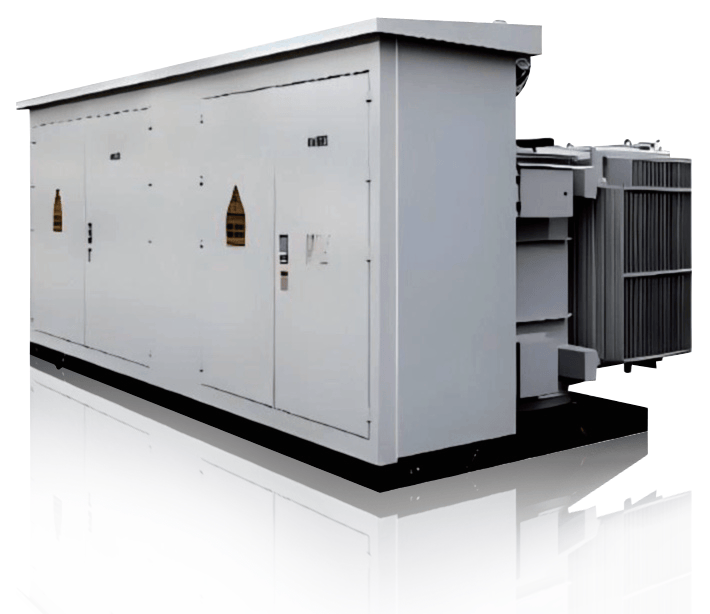

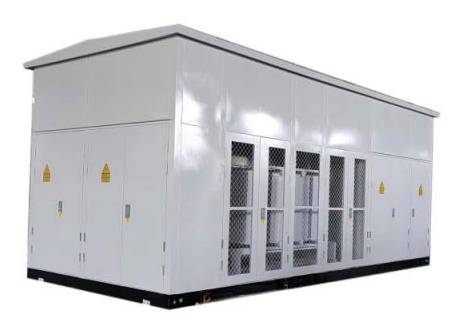
H-40.5/0.4~1.14kV New Energy Power Generation Dedicated High Voltage/Low Voltage Prefabricated Substation
XJ (Xiamen) Intelligent Power Equipment Co., Ltd.
220kV and Below Voltage Level Energy-saving Oil-immersed Power Transformers
FuZhou TianYu Electric Co., Ltd.
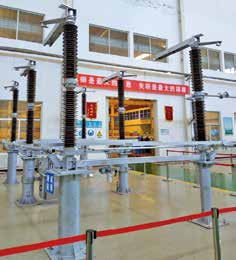
GW4-40.5/72.5/126/145/170/252/363/420 Series Double-column Horizontal Rotary High-voltage AC Disconnect Switch
SHANDONG TAIKAI DISCONNECTORS CO., LTD.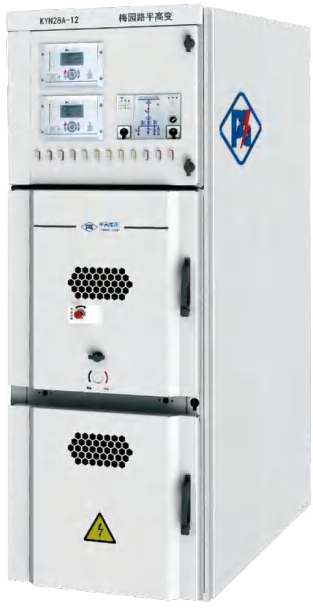
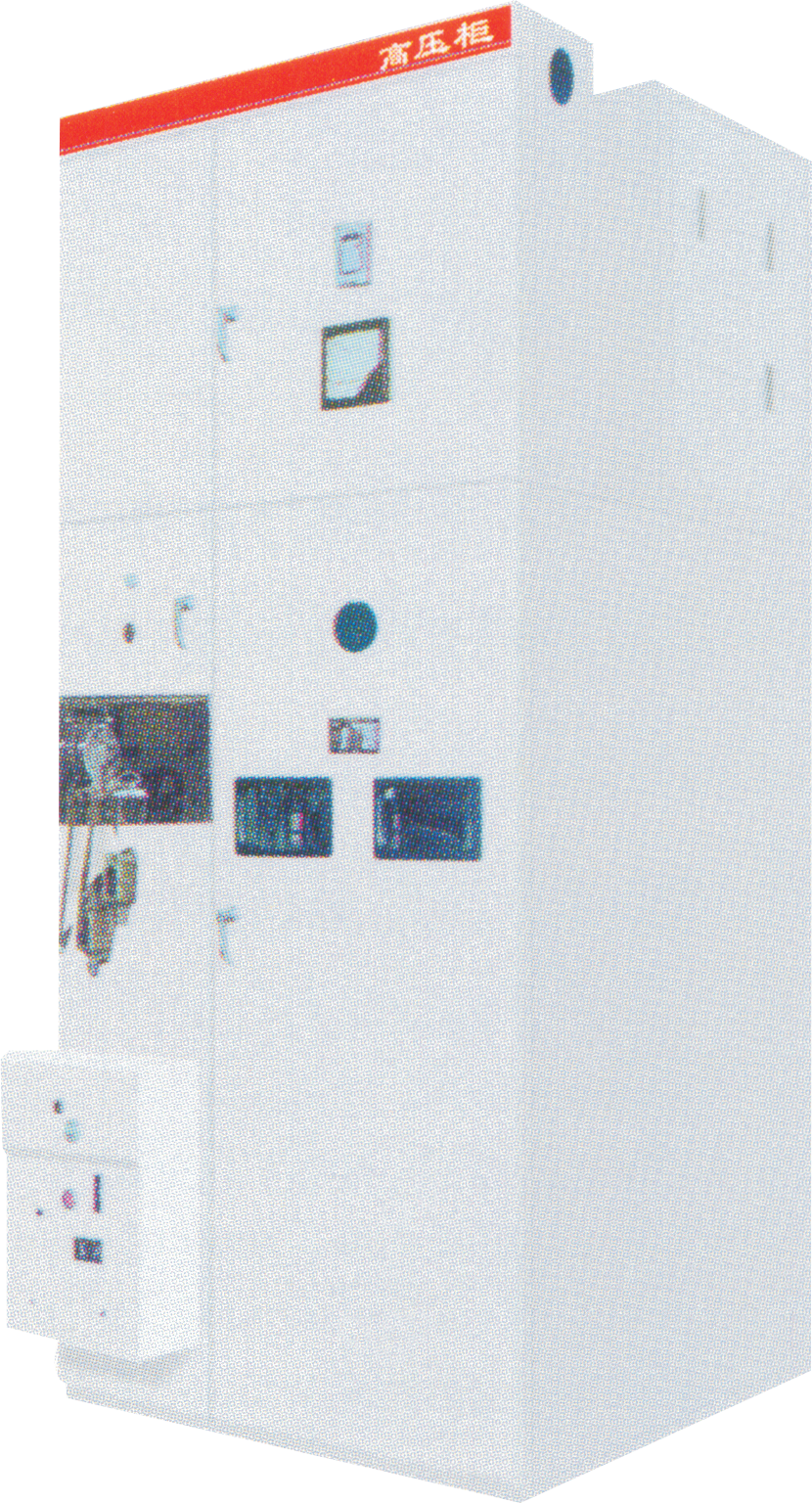
KYN28A-12 Metal Armored Removable Switchgear
Tianjin Ping Gao Intelligent Electric Co., Ltd.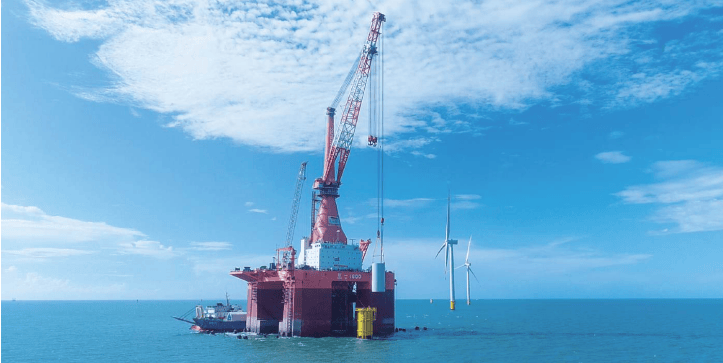
"Shunyi 1600" Deep-submerging Bottom-sitting Multi-functional Wind Power Engineering Vessel
Zhengli Offshore Engineering Co., Ltd.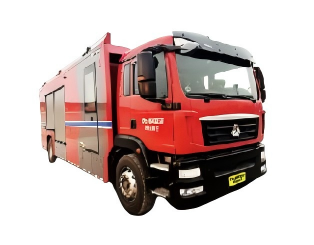
Modular Multifunctional Water Supply and Drainage Vehicle (18T)
Changsha Dewater Machinery Technology Co., Ltd.