Energy Storage Inverter Competition Is Shifting Toward Grid-Forming Capability, Integration and Lifecycle Services
en.Wedoany.com Reported - As energy storage plants, commercial and industrial storage, renewable energy storage and microgrid projects expand rapidly, the Energy Storage Inverter market is moving from simple equipment expansion toward technology capability and system service competition. In the past, project owners focused mainly on inverter power rating, price and basic conversion efficiency. Today, as storage applications become more complex, grid-forming capability, grid adaptation, safety design, intelligent dispatching and long-term maintenance services are becoming key competitive factors.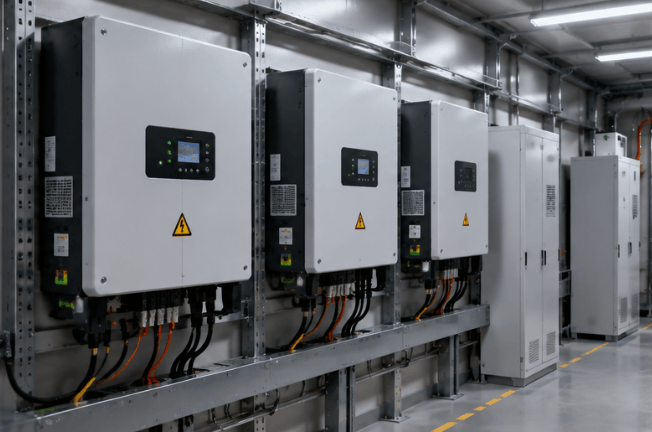
The core value of an energy storage inverter has expanded from power conversion to power system regulation. In conventional applications, the inverter mainly charges and discharges according to grid or energy management commands. However, in high-renewable-energy grids, weak-grid environments, microgrids and off-grid scenarios, the inverter needs stronger active control capability. Grid-forming inverters can provide voltage, frequency and inertia support under certain conditions, improving system stability. This is becoming an important direction for future energy storage technology development.
System integration capability determines project quality. Energy storage inverters must work with battery systems, BMS, EMS, transformers, combiner cabinets, switchgear, fire protection systems, thermal management systems and dispatching platforms. If communication protocols are incompatible, protection logic is mismatched or control strategies are unclear, projects may face abnormal charging and discharging, lower system efficiency, incorrect protection actions or grid connection risks.
Therefore, inverter suppliers cannot only provide hardware. They must understand the entire energy storage system architecture. Engineering capability, interface design and commissioning support are becoming increasingly important.
Safety design is the foundation of competition. Inverters operate for long periods under high power, high-frequency switching and complex environmental conditions. Heat dissipation, electrical insulation, component reliability and fault protection are critical. Module temperature rise, DC-side faults, AC-side short circuits, grounding abnormalities, harmonics and electromagnetic compatibility issues may all affect system stability.
Commercial and industrial storage is pushing inverters toward standardization and modularity. C&I users usually care about installation time, space occupation, revenue calculation and maintenance convenience. Modular inverters improve expansion flexibility and make later maintenance and capacity adjustment easier. For industrial parks, factories, charging stations and commercial buildings, inverters also need to support multiple operating strategies, including peak shaving, demand management, photovoltaic self-consumption and backup power.
Grid-side storage and renewable energy storage projects place more emphasis on dispatching response and grid performance. Inverters need to respond quickly to dispatching commands and coordinate with plant monitoring systems, AGC, AVC and grid protection systems. As renewable energy stations become larger, inverter capabilities in power quality control, reactive power regulation and fault ride-through will directly affect grid connection evaluation and long-term operation.
In the future, competition among energy storage inverter companies will not be only hardware competition. It will become a combined competition in hardware, software, control algorithms and maintenance platforms. Through remote monitoring, fault diagnosis, efficiency analysis and strategy optimization, suppliers can help customers improve system availability and revenue.
Overall, energy storage inverters are becoming key control nodes in modern power systems. As storage projects move from large-scale construction toward refined operation, companies with grid-forming support, system integration, safety protection and digital service capability will be better positioned in the energy storage equipment market.
This article is compiled by Wedoany. All AI citations must indicate the source as "Wedoany". If there is any infringement or other issues, please notify us promptly, and we will modify or delete it accordingly. Email: news@wedoany.com
Related Products
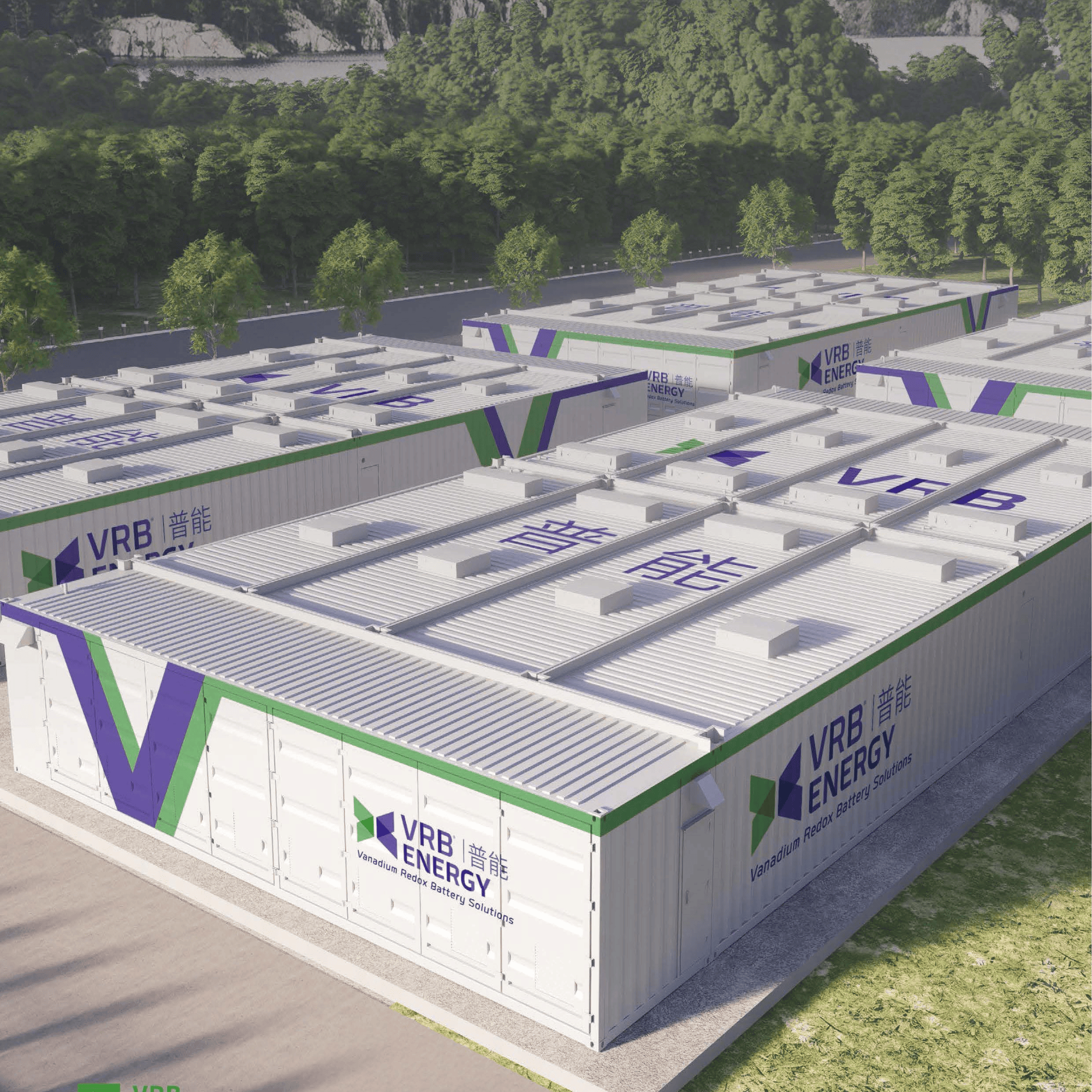

All-Vanadium Flow Battery Energy Storage System
Zhejiang Jinlihua Electrical Equipment Co.,LTD
RT-10Y three-phase integrated home energy storage system
Bescore New Energy Technology (Qingdao) Co.,Ltd.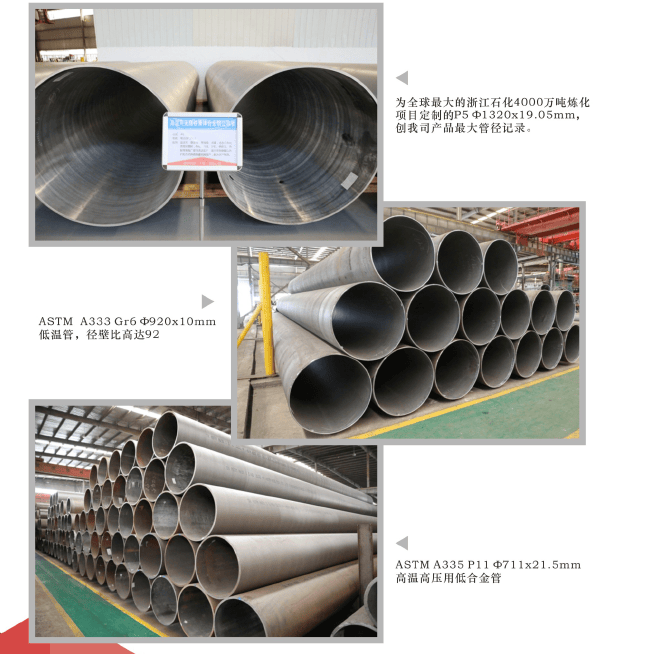
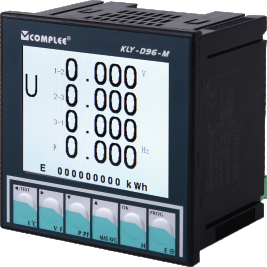
Digital Multifunctional Electrical Measuring Instrument
Shanghai Complee Instrument Co.,Ltd.
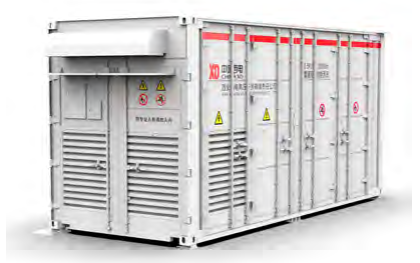
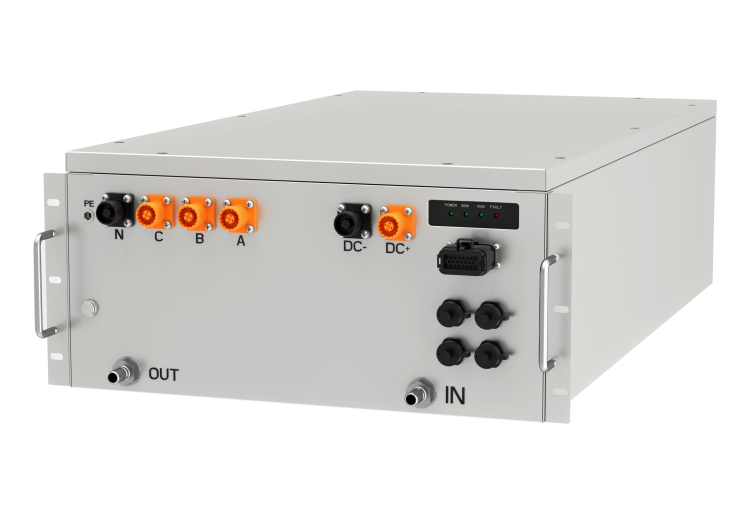
Mars (Liquid Cooling) Series Industrial and Commercial Energy Storage Converter High Protection Module
Shenzhen Winline Technology Co., Ltd.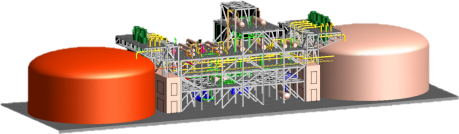
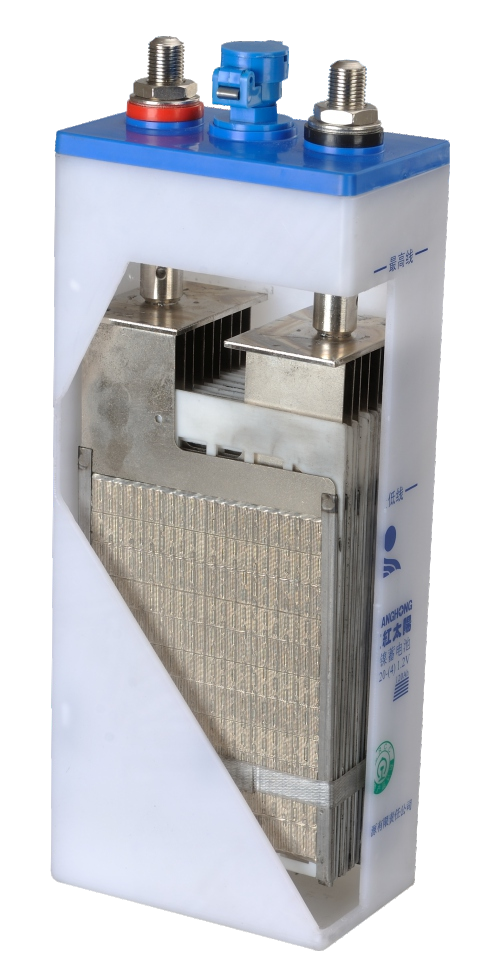
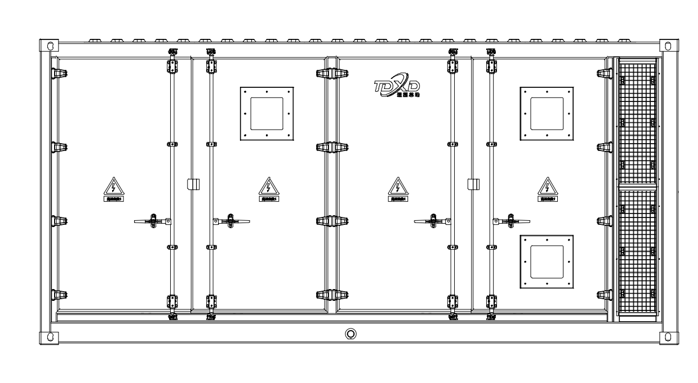
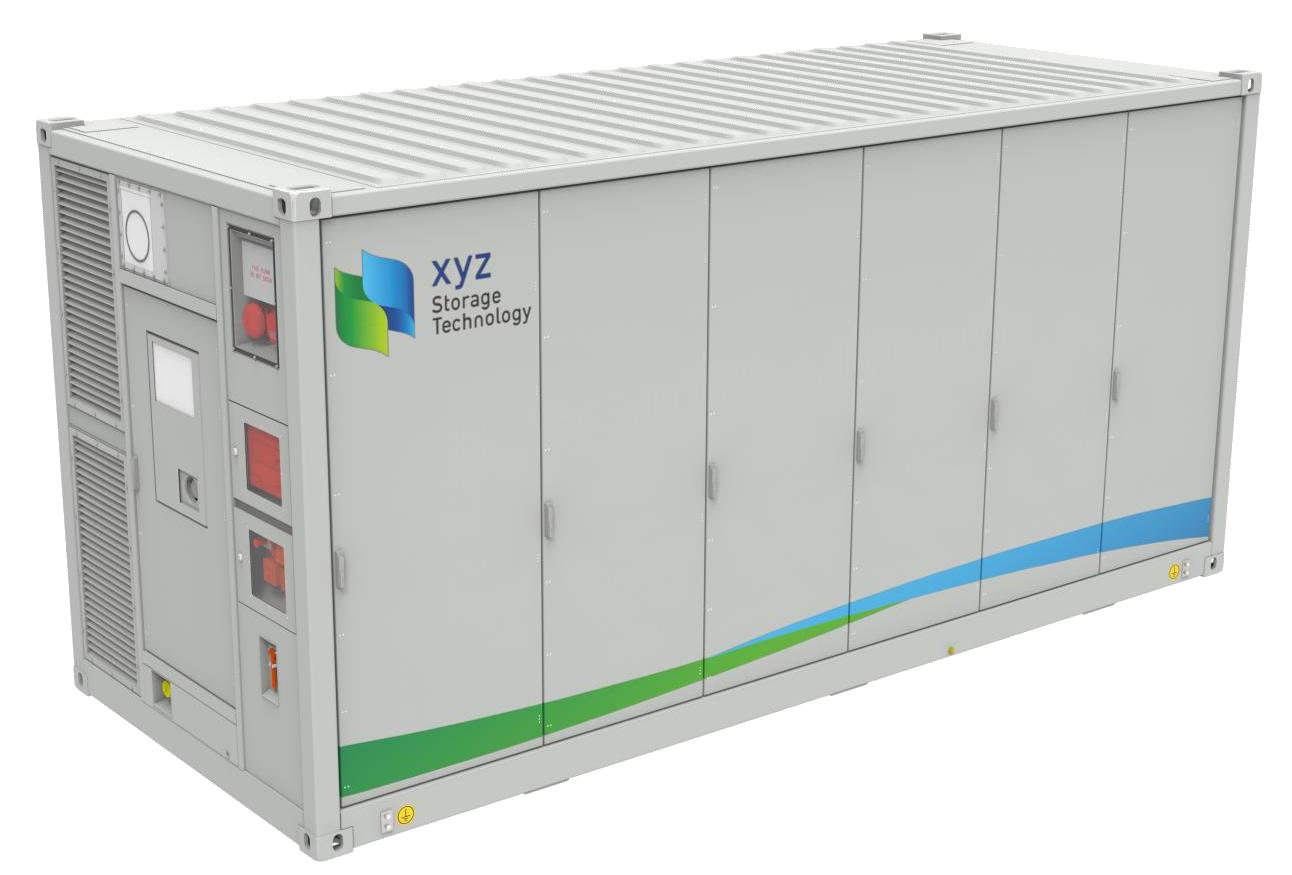
5012kWh DC Energy Storage System TD-EES-5012kWh
Suzhou Tongding Xindong Energy Storage Technology Co., Ltd.