Zambia Advances E-Government Reforms to Expand Digital Access and Inclusion
en.Wedoany.com Reported - The Zambian government recently reaffirmed its commitment to ensuring that the national digital transformation agenda benefits all citizens, while safeguarding fundamental rights and freedoms in the process.
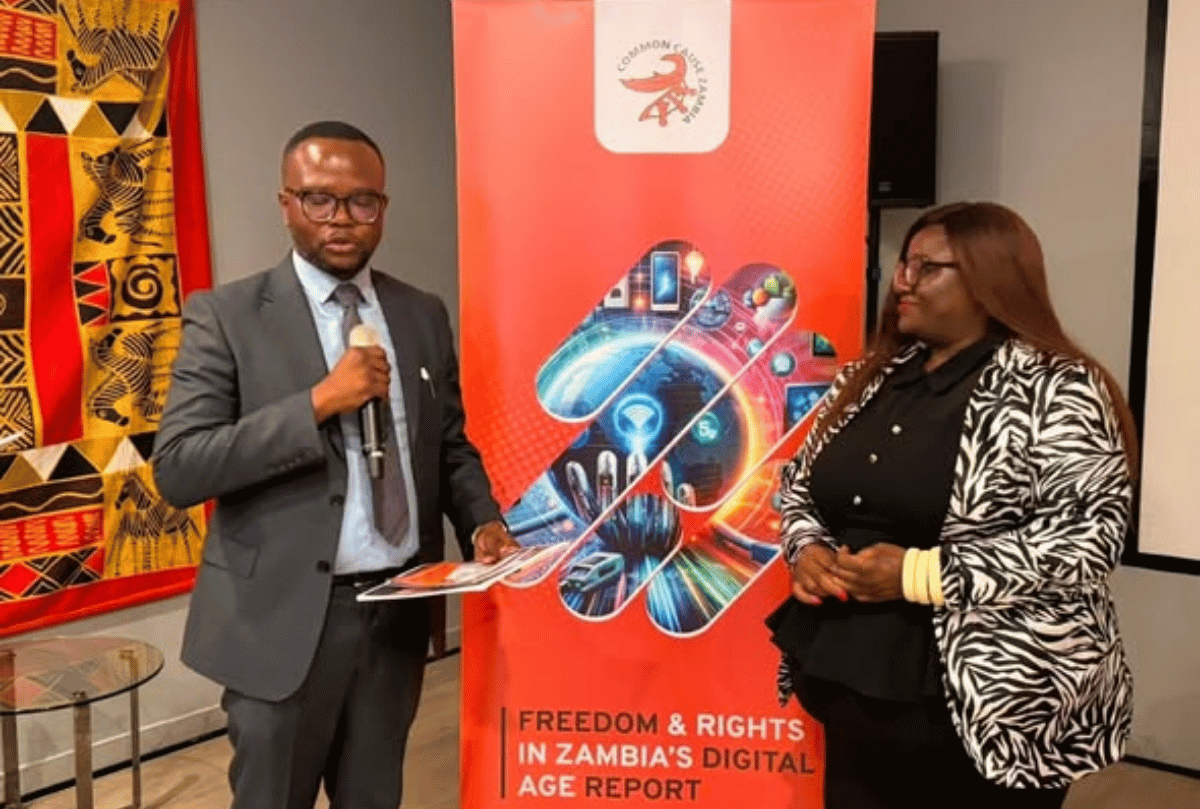
During a panel discussion at the Zambia Digital Freedom and Rights Conference, SMART Zambia National Coordinator Percy Chinyama stated that the country's digitalization efforts are centered on improving public service delivery through more efficient, transparent, and inclusive digital platforms. Chinyama's remarks were delivered on his behalf by Chewe Nkole, Acting Deputy Director of Programs and Quality Assurance at the SMART Zambia Institute.
As part of the ongoing reforms, the SMART Zambia Institute is reviewing the 2021 E-Government Directive No. 41, aiming to enhance the accessibility and adoption of e-government services in the public sector. This move is part of broader initiatives to strengthen digital governance and improve citizens' access to government services.
Chinyama noted that Zambia continues to invest in key digital infrastructure, such as government network connectivity, interoperability platforms, and integrated systems, enabling citizens to more easily access essential services like healthcare, education, and social protection. The government emphasized the importance of digital inclusion and revealed ongoing investments in digital literacy, network expansion, and skills development programs. These programs specifically target underserved groups, including rural communities, women, youth, persons with disabilities, and other vulnerable populations. Cybersecurity remains a key priority in Zambia's digital agenda. Chinyama stressed that as more government functions go online, protecting personal information and strengthening security frameworks are necessary to build public trust in digital services. Chinyama also addressed the growing role of artificial intelligence, noting that its adoption must follow principles of transparency, ethics, accountability, fairness, and inclusion to ensure technology serves human rights and social development. The government further called for enhanced collaboration among stakeholders, including civil society organizations, academia, the private sector, development partners, media, and citizens, to jointly shape a digital ecosystem that balances innovation with the protection of rights and freedoms. These remarks reflect Zambia's broader vision of building a digitally connected society: leveraging technology to expand opportunities, strengthen accountability, and support inclusive national development.
This article is compiled by Wedoany. All AI citations must indicate the source as "Wedoany". If there is any infringement or other issues, please notify us promptly, and we will modify or delete it accordingly. Email: news@wedoany.com
Related Products


Automatic Aiming Laser Remote Obstacle Removal Robot
Pinggao Group Weihai High-Voltage Apparatus Co., Ltd.

Comprehensive Mining Automation Control System
Beijing Tianma Intelligent Control Technology Co., Ltd.
Conveyor Belt Intelligent Monitoring System
LUO YANG WIRE ROPE INSPECTION TECHNOLOGY CO., LTD.





Flat Portable Satellite Terminal 0.35m Aperture Manual Portable Terminal
China Starwin Science & Technology Co., Ltd.
G.652.D Wavelength-extended Non-dispersion Shifted Single-mode Optical Fiber
HONGAN GROUP CO., LTD.
Industrial and Commercial Point-Type Gas Detector
Jinan Benan Technology Development Co., Ltd.